Donald Trump’s $1.5 trillion defense budget to be blocked by democrats amid West Asia war
Source Entity
Latest News: Todays Latest News Headlines from India & World | Hindustan Times
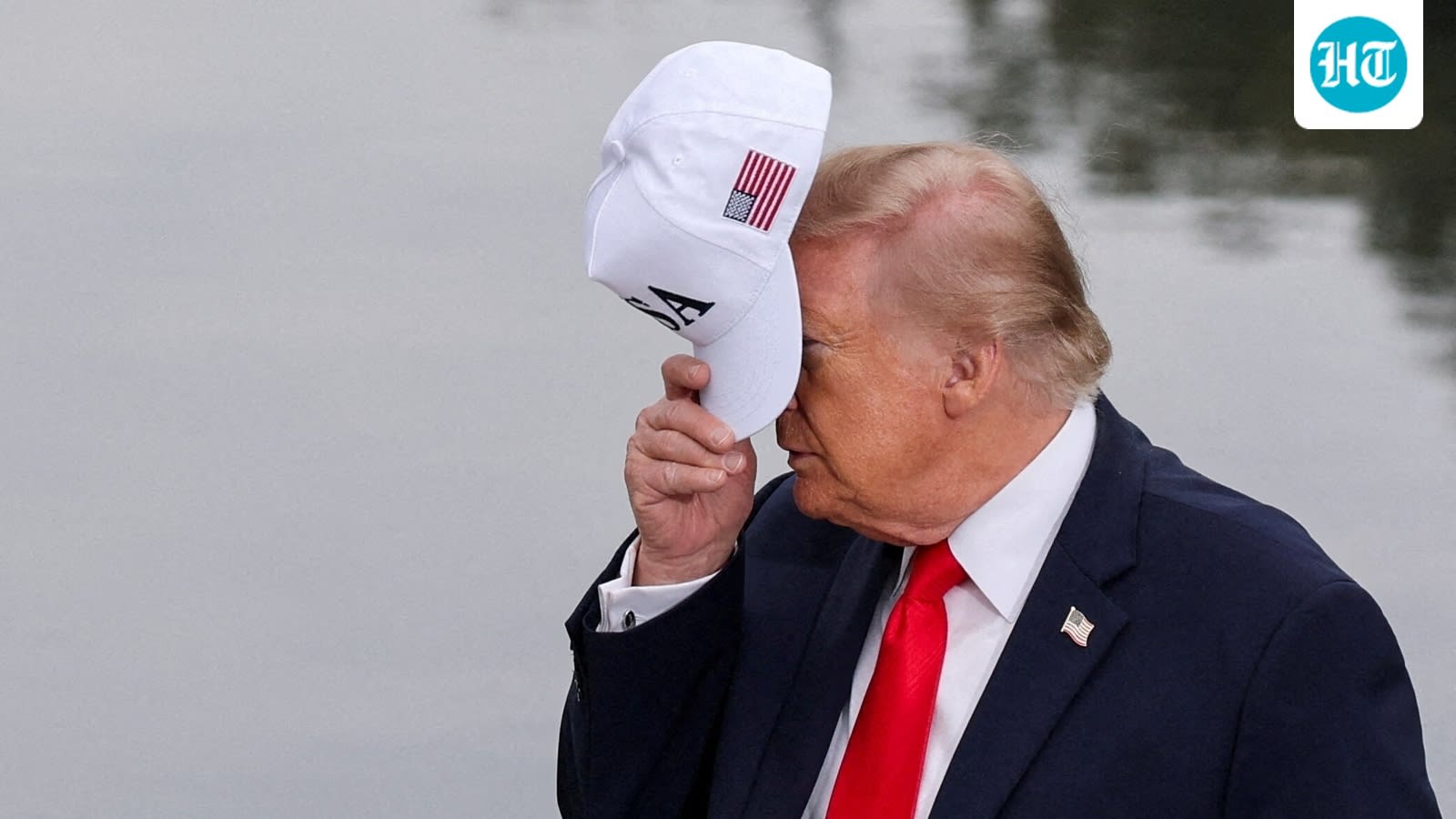
Democrats have secured majorities in both chambers of Congress, effectively blocking President Trump's proposed $1.5 trillion defense budget. The move signals a major shift in national security priorities and threatens the future of projects like the Golden Dome missile shield.
Congressional Gridlock and the Future of Defense Spending
The political landscape in Washington has undergone a seismic shift following the recent midterm elections, where Democrats secured solid majorities in both chambers of Congress. This electoral outcome has effectively neutralized the legislative path for President Donald Trump’s ambitious $1.5 trillion defense budget proposal. By gaining control of the legislative agenda, Democrats are positioned to block a massive 44% increase in military spending from the previous fiscal year, a move that reflects both a broader ideological divide and a specific reaction to ongoing geopolitical instability.
The Impact of the West Asia Conflict
At the heart of this legislative standoff is an increasingly unpopular war in West Asia. The scale of the proposed budget, intended to bolster American military capabilities in an era of heightened global tension, has become a focal point for Democratic opposition. Critics argue that such an unprecedented injection of capital into the defense sector is untenable, particularly while the public remains skeptical of the current military engagement. The resistance from the new Congressional majority suggests that the administration will face significant hurdles in justifying this massive expenditure to a skeptical electorate.
Implications for Strategic Defense Projects
One of the most significant casualties of this budgetary deadlock is the 'Golden Dome' missile shield. This project, which was touted as a cornerstone of the administration’s defense strategy, now faces an uncertain future. The inability to secure funding for such high-profile initiatives reflects a broader trend of legislative pushback against the administration's 'splashiest' defense ambitions. As the project hangs in the balance, the technological and strategic implications of failing to deploy such systems could redefine the administration's long-term military posture.
The Lame-Duck Session Limitations
As Republican lawmakers return for the lame-duck session, they find themselves with limited political capital to advance the President's agenda before the new Congress is seated in January. Even with a desire to push through the spending package, the lack of sufficient support and the shifting political winds suggest that a legislative victory is unlikely. The transition period, which often serves as a final opportunity to cement policy goals, appears instead to be a precursor to the legislative friction that will define the coming term.
Future Trends and Legislative Outlook
Looking ahead, the tension between the executive branch’s defense priorities and the legislative branch’s budgetary control will likely intensify. This standoff signifies a return to more traditional checks and balances, where the purse strings of Congress serve as a definitive constraint on executive overreach. The failure of this budget proposal may also force the administration to rethink its approach to defense funding, potentially shifting toward more targeted investments rather than broad, sweeping increases that invite bipartisan scrutiny.
Conclusion
The current deadlock underscores the volatile nature of American politics, where electoral outcomes can abruptly halt major national security initiatives. With Democrats firmly in control of the legislative process, the administration’s $1.5 trillion defense budget appears to be effectively stalled, signaling a major recalibration of U.S. defense policy in the face of domestic dissent and the evolving challenges of the war in West Asia.
Verification Required?