
Most people treat their legal and financial existence as a default setting. They are born in a jurisdiction, keep their money in that jurisdiction's banks, and pay taxes to that jurisdiction's government. In a stable era, this is convenient. In an era of systemic volatility, it is a single point of failure. True jurisdictional flexibility isn't about evading laws; it is about diversifying your legal risk. Why bet your entire financial future on the political stability of a single administration or the monetary policy of one central bank?
Prerequisites for the Borderless Strategy
Before you begin shifting assets or applying for residencies, you need a foundation. This is not a project for the impulsive. You require a clear inventory of your global footprint: where your assets are held, where your income is generated, and where you are legally tied. You also need a professional team—not a generalist accountant, but a cross-border tax strategist and a legal counsel specializing in international private law. Attempting to 'DIY' a jurisdictional hedge often leads to accidental tax non-compliance, which is a risk far greater than the economic instability you are trying to avoid.
- A comprehensive asset map (liquid, fixed, and intellectual property).
- A valid, high-strength passport from a recognized nation.
- A dedicated budget for legal compliance and annual maintenance fees.
- A risk tolerance profile that distinguishes between tax optimization and legal evasion.
Once these basics are in place, you can stop reacting to the news cycle and start building a structural defense. The goal is to decouple your life from any single government's whim.
The Five-Step Implementation Framework
- Audit Your Jurisdictional Dependencies: Map every point of contact you have with a state. This includes bank accounts, real estate, corporate registrations, and tax residencies. Identify which of these are 'high-risk' based on current inflation rates and political volatility.
- Establish a Legal Anchor: Select a jurisdiction for your primary corporate or holding structure that offers political stability and strong rule of law. Look for regions with established treaties and transparent regulatory frameworks, such as Singapore or Switzerland.
- Diversify Asset Custody: Move your liquid capital across multiple jurisdictions. Do not keep all your cash in one currency or one banking system. Use a mix of 'onshore' Tier-1 banks and 'midshore' jurisdictions that provide a balance of privacy and legitimacy.
- Secure a 'Plan B' Residency: Obtain a legal right to reside in a second, non-aligned jurisdiction. This could be through investment (Golden Visas), ancestry, or professional skills. The goal is to ensure you can physically relocate your life and business within 72 hours if necessary.
- Optimize Your Tax Nexus: Work with your strategist to ensure your tax residency is aligned with your actual lifestyle and business operations. Transition from a system of 'residency by default' to 'residency by design' to maximize efficiency while remaining fully compliant.
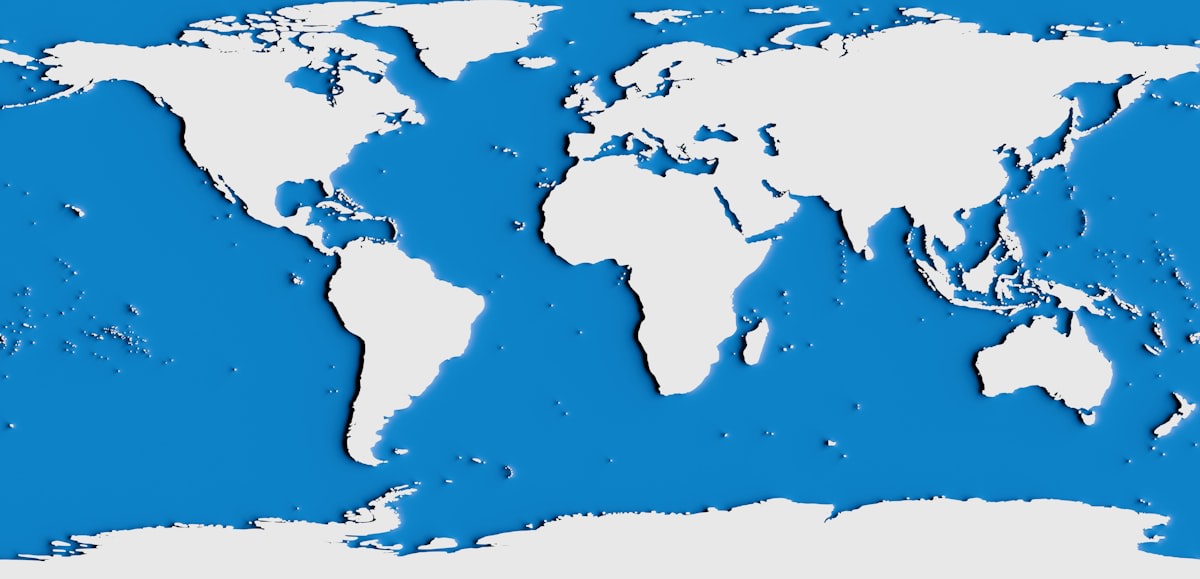
Execution is where most fail. They buy a residency permit but keep their money in the same bank they've used for twenty years. They set up a company in the Seychelles but continue to manage it entirely from a high-tax jurisdiction without proper substance. True flexibility requires a holistic alignment of your physical, legal, and financial presence.
"The modern sovereign individual does not seek to hide from the state, but to compete between states for the best terms of governance and taxation."— OECD Report on Tax Transparency, 2023 (Paraphrased)
The Practitioner's Reality: The Friction of the Field
On the ground, the debate isn't about whether diversification is possible, but about the 'substance' requirement. In the boardrooms where I operate, the primary friction point is the Common Reporting Standard (CRS). Governments now share data automatically, making the old 'secret Swiss account' a relic of the past. The real professional debate now centers on 'Economic Substance'—proving that your offshore entity actually does something, has an office, and employs people. If you have a shell company with no substance, you aren't hedging; you're just creating a red flag for auditors.
I have seen clients spend hundreds of thousands on residency programs in the Caribbean, only to find that their home country's 'exit tax' wiped out the gains. The friction is always in the transition. Moving your center of vital interests is a surgical procedure, not a light switch. You have to carefully wind down ties in one place while weaving them in another.

Common Pitfalls and How to Avoid Them
The most dangerous mistake is the 'Complexity Trap.' I've encountered individuals with five different companies in four different time zones, each owning a piece of the other. When the time comes to move money or prove the source of funds to a compliance officer, they cannot produce a clean paper trail. Complexity is not the same as security. In fact, unnecessary complexity is a liability during a regulatory audit.
- The Golden Visa Illusion: Assuming a residency permit gives you full political protection or automatic tax exemption.
- Ignoring the Exit Tax: Failing to calculate the cost of leaving a jurisdiction before initiating the move.
- Underestimating Compliance: Thinking that 'offshore' means 'invisible' in the age of digital transparency.
- Over-diversification: Spreading assets so thin across so many jurisdictions that the maintenance costs exceed the hedge benefits.
To avoid these, aim for 'Elegant Simplicity.' Use a few high-quality, well-recognized jurisdictions rather than a dozen obscure ones. Your structure should be boring to an auditor but robust against a systemic collapse.
Measuring Success: The Flexibility Metric
How do you know if your hedge is working? Ask yourself: If my primary country of residence experienced a 30% currency devaluation or a sudden freeze on capital outflows tomorrow, how much of my net worth is immediately accessible? According to data on global capital flows, individuals with diversified jurisdictional custody experience significantly lower volatility in their purchasing power during regional crises (Source: International Monetary Fund, 2022). Success is measured by the speed and ease with which you can pivot your operations without seeking permission from a government official.
Fact-Check & Accuracy Note
The key claims regarding the Common Reporting Standard (CRS) and the shift toward Economic Substance are based on current OECD guidelines and international tax treaty standards. The efficacy of 'Golden Visas' is a subject of ongoing debate among immigration lawyers, as several EU nations have recently tightened or revoked these programs due to security concerns.