5 Killed, 30 Houses And Shops Burned As Violence Breaks Out In Manipur Again
Source Entity
NDTV News Search Records Found 1000
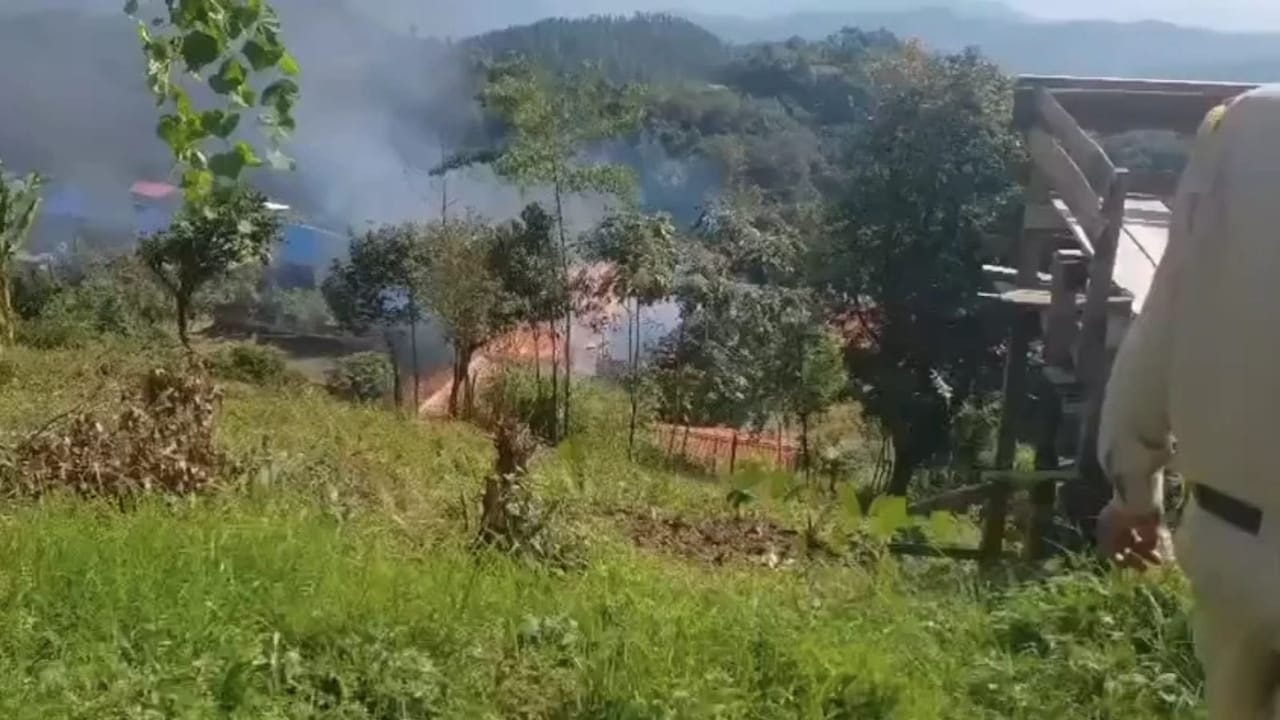
Fresh ethnic violence has erupted in Manipur's Kamjong district following the targeted killing of a Kuki woman. The incident has triggered armed exchanges and arson, prompting authorities to impose strict prohibitory orders.
Renewed Ethnic Unrest in Manipur: An Analysis
The Trigger and Escalation
The fragile peace in Manipur has been shattered once again following a targeted act of violence in the Kamjong district. On the night of October 9, 2026, a mother of five was fatally shot in the Kuki-majority Chassad village, located within a predominantly Naga-dominated area. This specific act of violence served as a catalyst, immediately destabilizing the local security environment and triggering an armed confrontation between Kuki and Naga factions.
Impact on Local Infrastructure
The subsequent escalation saw significant destruction of property, with reports indicating that approximately 30 houses and shops were set ablaze during the clashes. The intensity of the exchange of fire, which spilled over into the following morning, reflects the deep-seated grievances and the proliferation of arms within the region. The destruction of civilian infrastructure not only displaces residents but further deepens the economic and social divide between the communities.
Administrative and Security Response
In direct response to the escalating situation, district authorities have invoked Section 162 of the Bharatiya Nagarik Suraksha Sanhita (BNSS), imposing strict prohibitory orders within a 400-meter radius of the affected site. These measures are intended to curb the movement of armed groups and prevent further loss of life. However, the necessity of such orders highlights the ongoing challenge the state faces in maintaining law and order amidst persistent ethnic tensions.
Historical Context and Ethnic Dynamics
Manipur has long been characterized by a complex tapestry of ethnic diversity, often leading to friction between various tribal groups, including the Kuki-Zo and Naga communities. The current cycle of violence is not an isolated event but rather a manifestation of long-standing territorial and identity-based conflicts. The geographic overlap of these communities in districts like Kamjong makes them particularly vulnerable to rapid flare-ups when specific incidents occur.
Broader Implications and Future Trends
The resurgence of violence in Kamjong poses a significant threat to regional stability. If the cycle of retaliatory attacks continues, it risks reversing any progress made toward reconciliation. The future outlook remains precarious; without comprehensive dialogue and sustained security intervention, the potential for further communal escalation remains high. The state's ability to enforce peace while addressing the root causes of these grievances will be the deciding factor in preventing a wider regional crisis.
Verification Required?