
The Geopolitical Liability of the Coast
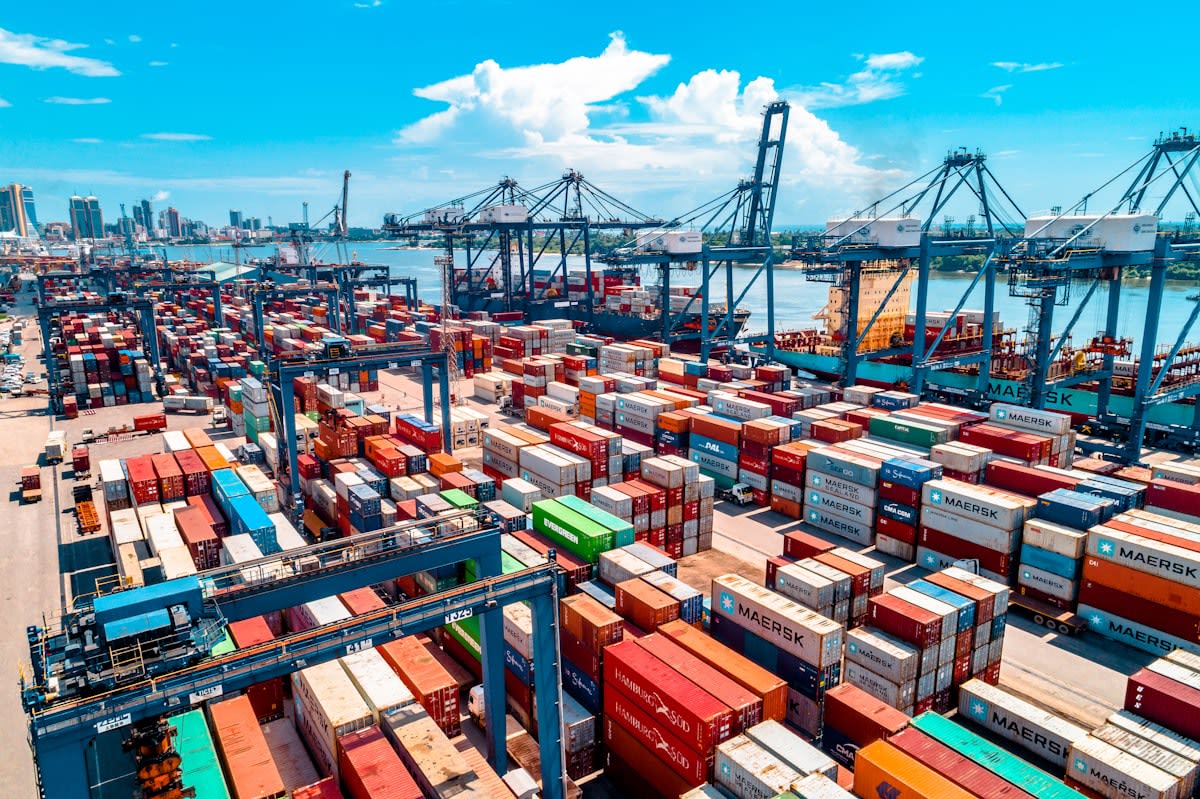
The assumption that coastal ports are neutral gateways for trade is a dangerous fallacy. In Panama, the intersection of commerce and diplomacy has turned the shoreline into a theater of conflict. When Panama canceled the CK Hutchison port concession, the response was not merely legal but operational. U.S. officials have raised alarms regarding the weaponization of maritime commerce, alleging that ships flying the Panamanian flag are now facing a surge in abnormal inspections and detentions. Why does this matter for the broader region? Because it proves that a nation's entire trade throughput can be throttled by a single diplomatic disagreement.
President Jose Raul Mulino has explicitly noted that these detentions lack any technical or safety justification. This suggests that the port is no longer just a place to move cargo, but a lever for political coercion. When a coastal hub becomes a point of failure, the economic cost extends beyond the immediate delay of a few ships. It creates a volatility that scares off long-term investment and disrupts the reliability of entire supply chains. The coastal concentration of power allows external actors to exert pressure with surgical precision.
"There was no technical or safety justification for the increase in detentions."— Jose Raul Mulino, President of Panama
This vulnerability is not unique to Latin America, though its manifestation there is particularly acute. The risk of relying on a single, high-density coastal entry point is essentially a gamble on geopolitical stability. If the entry point is compromised, the interior of the country remains starved of goods regardless of how efficient the inland roads might be. This necessitates a move away from the coastal-centric model toward a distributed network that can absorb shocks.
The Architecture of the Bypass
Looking east to the UAE provides a blueprint for how the world's most aggressive logistics players manage this risk. DP World is currently planning a new multipurpose port and container terminal on the UAE's east coast. The objective is clear: bypass the Strait of Hormuz. By establishing capacity in Fujairah, the UAE is reducing its dependence on the Jebel Ali hub. This is a calculated move to ensure that shipping continues even when regional conflicts disrupt traditional maritime corridors.
The strategic value of the Fujairah coast has skyrocketed as the Strait of Hormuz becomes increasingly unstable due to U.S.-Israel conflicts with Iran. The UAE is not waiting for a total collapse of the current system; it is building a parallel one. This proactive diversification is the only way to maintain commercial sovereignty. For Latin America, the lesson is that the most secure port is the one that provides an alternative to the primary chokepoint.
Can a similar logic be applied to the inland geography of the Americas? If the coastal ports are the chokepoints, then dry ports—inland depots that function as customs-cleared extensions of the sea port—are the bypasses. By moving the processing, storage, and customs clearance inland, a country reduces the time cargo spends sitting in a vulnerable coastal zone. This removes the bottleneck and spreads the operational risk across a wider geographic area.
Strategic Insight
The UAE's move to Fujairah proves that the world's leading port operators no longer trust single-point-of-failure hubs. They are prioritizing redundancy over maximum efficiency.
Decentralization as a Resilience Strategy
The effectiveness of the inland model is evident in Vietnam, where SITC is aggressively filling network gaps. SITC now operates five depots covering approximately 450,000 square meters across key trade regions. The recent launch of a 36,000 square meter depot in Da Nang is a surgical strike against inefficiency. By establishing a hub in central Vietnam, SITC is not just adding space; it is optimizing the entire logistics layout of the country.
This distributed network enhances end-to-end logistics capacity and, more importantly, supply chain resilience. When cargo is distributed across multiple depots, a failure at one port does not freeze the entire national economy. The Da Nang depot serves as a vital hub that ensures regional cargo turnover efficiency remains high regardless of coastal congestion. This is the exact structural realignment Latin America requires to decouple its economic survival from the volatility of its coastlines.
| Strategy | Primary Driver | Scale/Metric | Strategic Outcome |
|---|---|---|---|
| Coastal Centralization | Geopolitical friction (Panama) | Abnormal detentions | High systemic vulnerability |
| Strategic Bypass | Risk mitigation (UAE/Hormuz) | New multipurpose port | Diversified maritime access |
| Inland Decentralization | Network gap closure (Vietnam) | 450,000 sq m total | Enhanced supply chain resilience |
| Digital Substrate | Regional connectivity (LatAm) | $140M / 2,550 towers | Coordinated inland logistics |
Is it possible to implement this in the rugged terrains of the Andes or the rainforests of the Amazon? The challenge is not just physical but digital. A dry port is useless if it cannot communicate in real-time with the coastal terminal and the end customer. The synchronization of cargo movement across hundreds of miles requires a robust, high-speed data layer that simply did not exist in the region a decade ago.
The Digital Nervous System
This is where the current wave of digital infrastructure investment becomes critical. IDB Invest recently led a US$140 million financing package for Torrecom Partners to expand wireless infrastructure across Chile, Colombia, Ecuador, El Salvador, Guatemala, Mexico, Panama, Paraguay, and Peru. This project is expanding Torrecom's portfolio to more than 2,550 towers. While this is often framed as a move for 'connectivity,' the strategic implication is much deeper.
These towers provide the necessary data backbone to manage a decentralized logistics network. You cannot run a series of dry ports if your tracking systems are offline or your customs paperwork is trapped in a slow analog loop. By strengthening the wireless infrastructure, the region is building the nervous system required to support a distributed trade model. The digital expansion is the invisible prerequisite for the physical migration of ports.
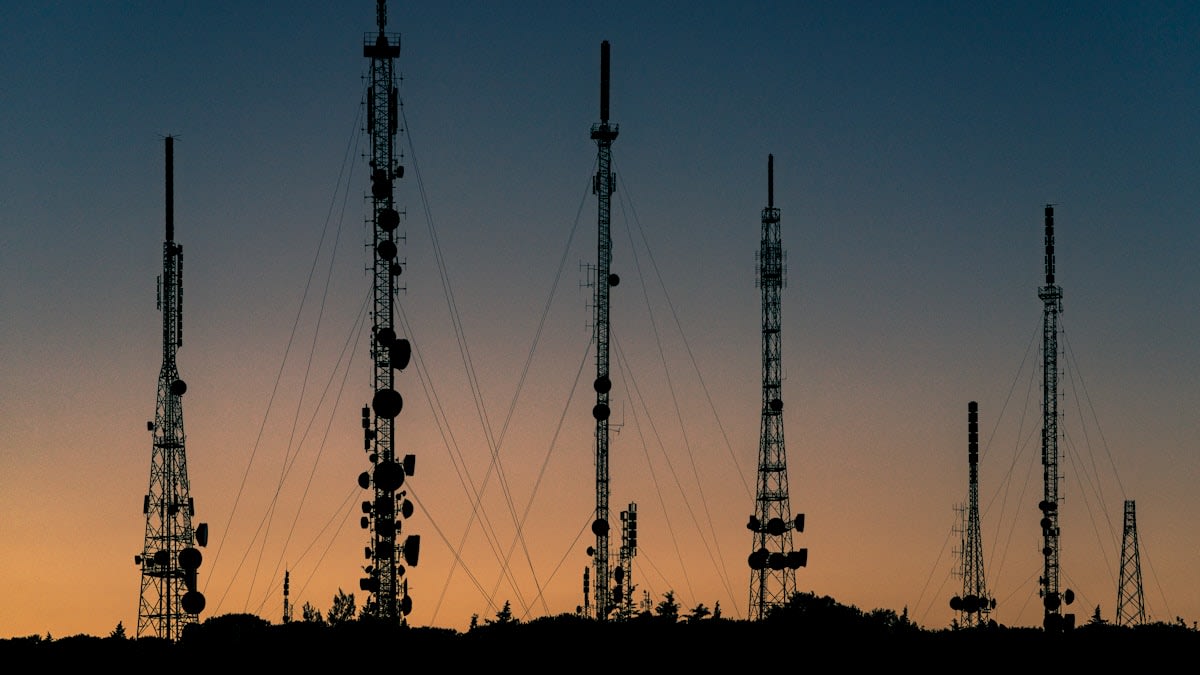
Maria Scotti, CEO of Torrecom, highlighted that the goal is to support the continued growth of digital services in markets where demand is surging. This growth is not just for consumers; it is for the logistics operators who must now coordinate the movement of goods from a Panamanian dock to a warehouse in the interior without losing visibility. The $140 million investment is, in effect, a subsidy for future supply chain efficiency.
The Consumer Catalyst
Beyond the infrastructure, there is a demographic shift fueling the need for this change. Latin America is emerging as an outbound travel powerhouse, driven by a young, connected population and an expanding middle and upper-income segment. This surge in global mobility is a proxy for a broader economic maturation. As the region's population becomes more connected and affluent, their demand for goods—and the speed at which those goods must arrive—increases.
A population that travels globally is a population that expects global standards of delivery. The old model of waiting weeks for a container to clear a congested coastal port is no longer acceptable to a digital-native middle class. This consumption pressure forces the hand of governments and private operators. They must either solve the coastal congestion or risk the economic stagnation of their most productive demographics.
When you combine the geopolitical risks in Panama, the strategic lessons from the UAE and Vietnam, and the digital foundation being laid by Torrecom, the conclusion is inescapable. Coastal hubs are no longer sufficient. The future of Latin American trade is not on the beach; it is in the interior, powered by a network of dry ports and synchronized by a regional digital grid.