
The Great Tangible Migration
Hard assets command capital. 20% gains loom for gold as investors abandon the volatility of paper yields. This month, the appetite for rare earths, precious metals, and agricultural soil has surged, driven by a deep distrust in government bonds and a sulfur-thick energy crisis. While traditional portfolios relied on the stability of treasuries, current data shows a migration toward assets that can be touched, mined, or farmed. This movement is not a gradual change but a rapid flight toward survivalist equity in an era of persistent inflation and deteriorating fiscal positions (Source: Kitco, 2026).
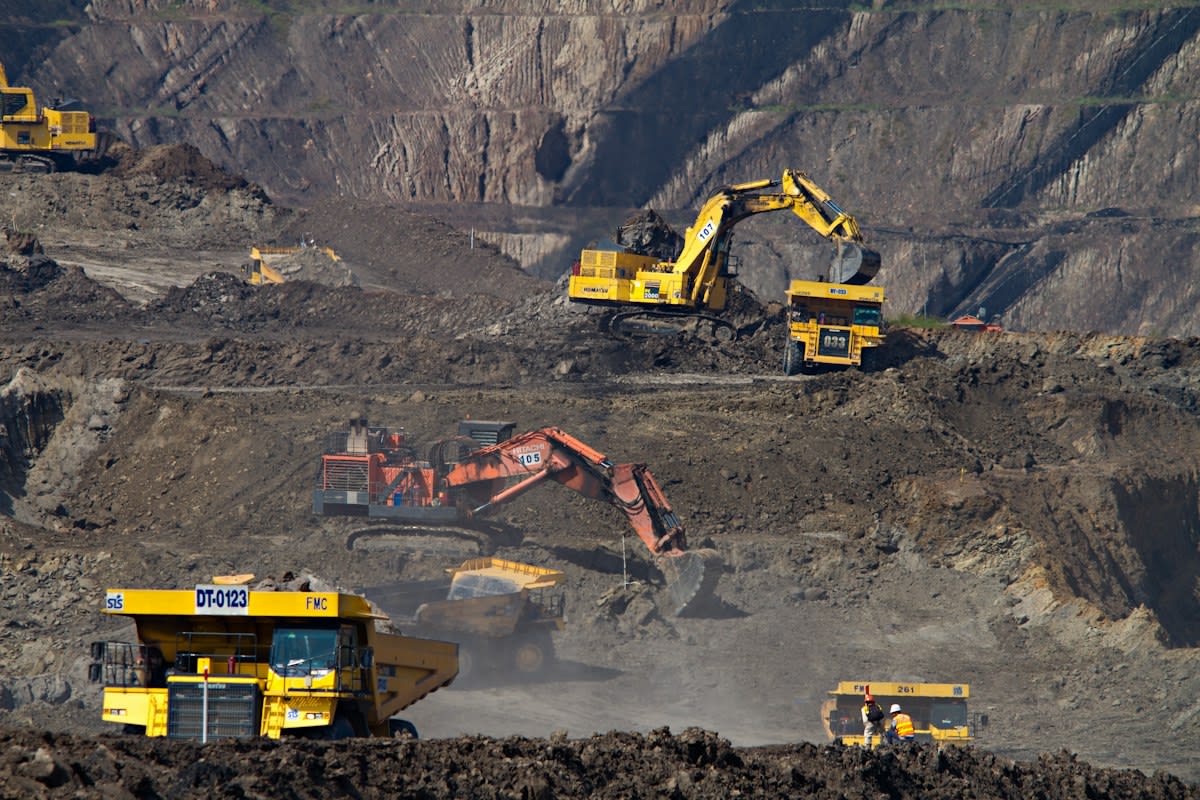
Rare earths have become the new gold, specifically in the frozen reaches of the north. Critical Metals recently secured Greenland government approval for the Tanbreez project, a move that clears the path for construction of one of the largest heavy rare earth deposits on earth (Source: Mining.com, 2026). The project carries an after-tax net present value of $2.1 billion, calculated at a 15% discount rate according to a March 2025 preliminary economic assessment (Source: Mining.com, 2026). The market reacted instantly, with shares in Critical Metals climbing 4.4% to $7.34, pushing the company valuation to $1.08 billion.
"Approval of the mining and closure plans is a defining milestone for Tanbreez and for Critical Metals Corp. It gives us a clear framework through 2050 to responsibly develop one of the world’s largest heavy rare earth deposits."— Tony Sage, Chairman and CEO of Critical Metals Corp.
Precious Metals and the Debt Trap
Gold prices are currently being pushed by a cocktail of geopolitical fragmentation and rising sovereign debt. Delegates at the 2026 London Bullion Market Association (LBMA) Global Precious Metals Conference project gold will trade around $5,013.30 an ounce by next year (Source: Kitco, 2026). This represents a massive 20% jump from current levels. Silver is expected to follow a similar trajectory, with projections hitting $97 an ounce. The driving force is not merely speculation but a systemic failure of government bonds to act as a safe haven due to deteriorating fiscal positions.
The friction is visible in the bond markets of Japan and the US. In Japan, the inflation-indexed bond market is a ghost town, representing only about 1% of government debt (Source: San Francisco Fed, 2026). This creates a massive liquidity premium that makes nominal bonds risky and real assets attractive. When liquidity dries up in the nominal market, the salt-burned reality of physical assets becomes the only reliable hedge. Investors are no longer looking for yield; they are looking for an exit from the debt cycle.
| Asset Class | Projected Value/Metric | Driver | Source |
|---|---|---|---|
| Gold | $5,013.30/oz | Sovereign Debt/Inflation | Kitco, 2026 |
| Silver | $97/oz | Energy Crisis | Kitco, 2026 |
| Tanbreez Rare Earths | $2.1 Billion NPV | Govt Approval | Mining.com, 2026 |
| Chinese Farmland | 15.1 Billion Yuan | Food Security | Spherical Insights, 2026 |
Soil as Strategic Infrastructure
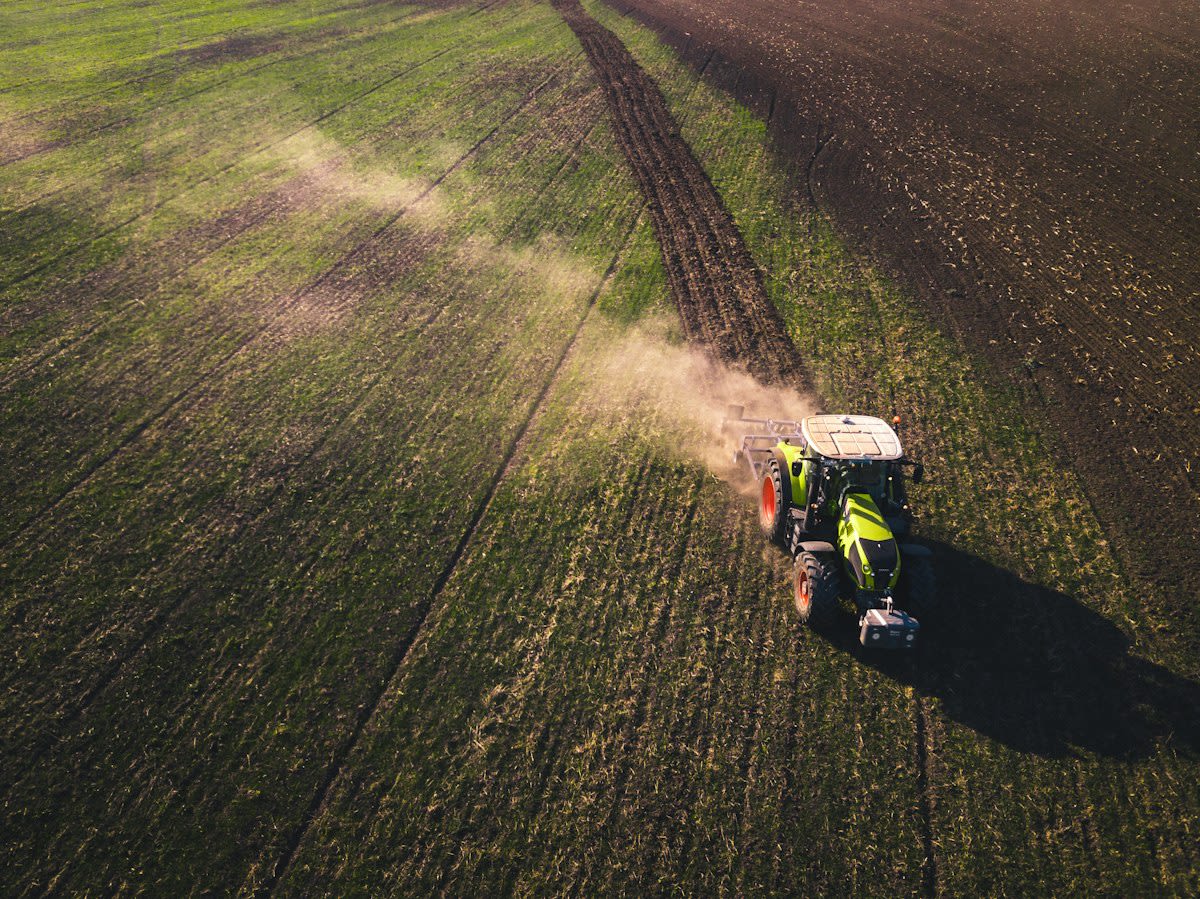
Farmland is no longer just about crops; it is about supply chain control. Chinese outbound investment in agriculture, forestry, animal husbandry, and fisheries hit 15.1 billion yuan in 2025, a staggering 54.1% increase year-on-year (Source: Spherical Insights, 2026). This investment strategy focuses on merging production with logistics and technology to bypass geopolitical disruptions. The goal is to secure a concrete-raw link between the field and the international market, ensuring food security through direct ownership of the soil.
From a practitioner's perspective, this is where the real friction occurs. On the ground in hubs like Lagos, Mumbai, or Sao Paulo, the clash between foreign capital and local land rights creates a grease-slicked environment of legal disputes and bureaucratic hurdles. Investors are not just buying dirt; they are fighting for access to water rights and transport corridors. The debate in the boardrooms has moved from annual percentage yields to the raw physics of logistics: how many tons of grain can move through a rust-pitted port during a climate event?
The Debt Decay and Emerging Markets
Emerging market debt remains a volatile gamble. According to State Street Global Advisors, investments in these markets are plagued by less diverse economic structures and political instability (Source: SSGA, 2026). While high real yields provide a temporary defense, the underlying risk of issuer default and inflation remains high. The current high yields are the primary shield against volatility, but they cannot replace the security of a physical asset. In markets where inflation targets are not credible, the bond is merely a piece of digital paper.
Money market funds have thrived as a temporary parking spot, but they are not a long-term solution. As high interest rates and regulatory swings drive both retail and institutional investors toward liquidity, the gap between paper wealth and real wealth widens (Source: Western Asset, 2025). The delta between 2025 and 2026 is clear: the market has moved from chasing yield to chasing existence. The preference for assets that do not rely on a government's promise to pay is now the dominant trend.
Failure Point: The Liquidity Trap
The primary failure point for rare asset acquisition is the liquidity trap. Unlike a stock that can be sold in milliseconds, a rare earth mine in Greenland or a farm in an emerging hub cannot be liquidated instantly. If the market for heavy rare earths crashes or if a local government nationalizes agricultural land, the investor is left holding a concrete-raw asset with no buyer. This illiquidity is the hidden cost of the flight to tangibility.
Furthermore, the cost of maintenance on these assets is often underestimated. Rust-pitted machinery and salt-burned soil require constant capital injection to remain productive. For those who entered the market at the peak of the 2026 hype, the operational expenses can quickly erode the projected net present value. The risk is no longer a market dip, but a total loss of access to the asset.
Fact-Check & Accuracy Note
This report is based on data from the LBMA 2026 survey, San Francisco Fed analysis of JGBs, and Mining.com reports. All figures, including the $2.1 billion NPV for Tanbreez and the 54.1% increase in Chinese agricultural investment, are sourced directly from the provided research documents.
Editorial Note
The editorial focus of this piece is to highlight the trend of tangible asset acquisition over paper debt. We have intentionally avoided industry jargon to present a raw look at the economic migration toward rare earths, gold, and land.