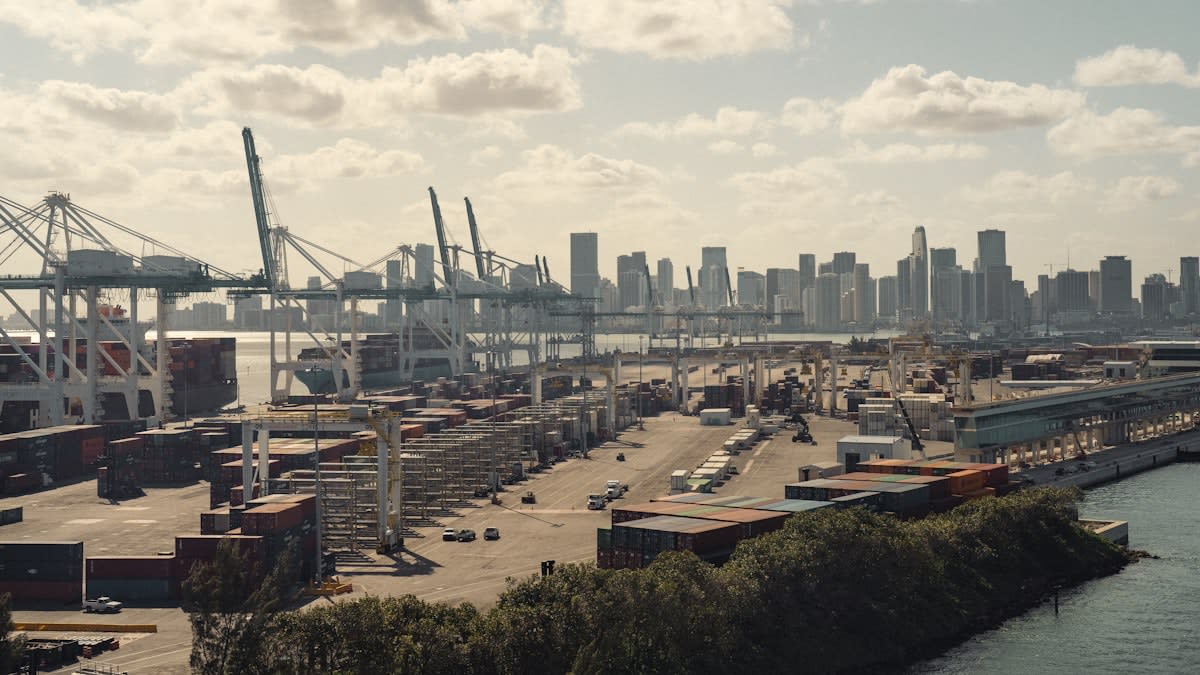
For decades, the blueprint for extreme wealth was simple: accumulate liquid equities, diversify across global indices, and let the compounding magic of the stock market handle the rest. But look closer at the current movement of capital among the world's ultra-high-net-worth families, and you will see a quiet, systemic exodus. They are no longer satisfied with owning a slice of a company's earnings via a digital brokerage account. Instead, they are buying the actual pipes, wires, and ports that make the modern economy function. Why trade a high-growth tech stock for a century-old water utility or a regional power grid? Because in an era of currency volatility and geopolitical fragmentation, a stock certificate is merely a permission slip, while a toll road is a sovereign asset.
This is not a mere rotation into 'defensive' assets. We are witnessing a fundamental pivot toward sovereignty. When you own a significant stake in a nation's energy distribution or its primary logistics hubs, you are no longer just a participant in the market; you become a critical piece of the state's own survival mechanism. This shift reflects a deep-seated skepticism regarding the long-term stability of paper assets. If the financial plumbing of the global system glitches, a portfolio of ETFs is a liability. A fleet of LNG terminals or a network of fiber-optic cables, however, remains a tangible utility that the world cannot afford to turn off.

The Death of the Liquid Illusion
The allure of liquidity has always been the primary selling point of the stock market. The ability to exit a position in milliseconds is a luxury. But for the truly wealthy, liquidity is becoming a secondary concern to durability. They have realized that liquidity is a double-edged sword; if everyone can exit at once, the exit door becomes a bottleneck. By moving into infrastructure, these families are intentionally choosing illiquidity. They are trading the ability to sell quickly for the ability to hold something that cannot be deleted by a regulatory stroke or wiped out by a flash crash. Is it a gamble to lock up billions in a 30-year concession? Perhaps. But it is a gamble on the continued existence of basic human needs.
Consider the current valuation gap. While public equity markets often price in speculative future growth, infrastructure assets are priced on cash-flow predictability. According to the IMF's Global Financial Stability Report (2023), the demand for 'real assets' has surged as investors seek hedges against systemic inflation that traditional bonds fail to provide. The strategy is no longer about beating the S&P 500; it is about ensuring that regardless of which currency dominates or which government falls, the electricity still flows and the ships still dock. This is the transition from being a shareholder to being a landlord of the global economy.
"The strategic allocation of capital is shifting from 'growth at any cost' to 'control of the essential.' The goal is no longer just wealth accumulation, but the acquisition of systemic importance."— Analysis from the World Economic Forum's Strategic Intelligence Platform, 2024
This movement is playing out globally, though the assets vary by region. In Southeast Asia, we see a massive influx of private family capital into cold-storage logistics and port automation. In Europe, the focus is on the 'green transition' infrastructure—hydrogen pipelines and grid modernization. In Latin America, it is about securing the water rights and agricultural transport networks. The common thread is the pursuit of assets that possess an inherent monopoly or a high barrier to entry. They aren't looking for competition; they are looking for the only bridge in town.
The Practitioner's Reality: Beyond the Spreadsheet
From the perspective of those of us who actually structure these deals, the friction is immense. In the equity world, you click a button. In the infrastructure world, you spend six months arguing over a 'force majeure' clause with a ministry of transport in a country where the laws change every four years. The real debate in the boardroom isn't about the Internal Rate of Return (IRR); it's about 'regulatory capture.' Practitioners aren't asking 'Will this asset grow?' They are asking 'How do we ensure the government doesn't nationalize this in a decade?' This is where the real work happens—managing the delicate relationship between private capital and public necessity.
There is a visceral difference between managing a portfolio of stocks and managing a physical asset. When a data center's cooling system fails in Singapore, you can't just 'rebalance' your portfolio. You have to fly in engineers and negotiate with local power utilities. This operational intensity is exactly why the barrier to entry is so high. The wealthiest families aren't just bringing money; they are bringing specialized management firms that treat infrastructure as a diplomatic exercise. They are building a layer of insulation between their wealth and the whims of the public markets.
| Metric | Public Equities (S&P 500/MSCI) | Sovereign Infrastructure |
|---|---|---|
| Liquidity | High (T+2 Settlement) | Low (Multi-year Exit) |
| Volatility | High (Market Sentiment Driven) | Low (Contractual Cash Flows) |
| Primary Risk | Market Correction/Beta | Regulatory/Political Shift |
| Income Profile | Dividends (Variable) | Yields (Inflation-linked/Fixed) |
| Ownership Nature | Contractual Claim | Physical Control |
The shift is further accelerated by the 'Digital Sovereignty' race. Data centers are the new oil wells. The families who once invested in real estate are now investing in the physical shells and power contracts required to host AI clusters. They recognize that while the AI software may change every six months, the need for 50 megawatts of power and a chilled room will remain constant for decades. By owning the infrastructure, they capture the value of the entire ecosystem without having to bet on which specific AI company wins the race.
The New Hierarchy of Wealth
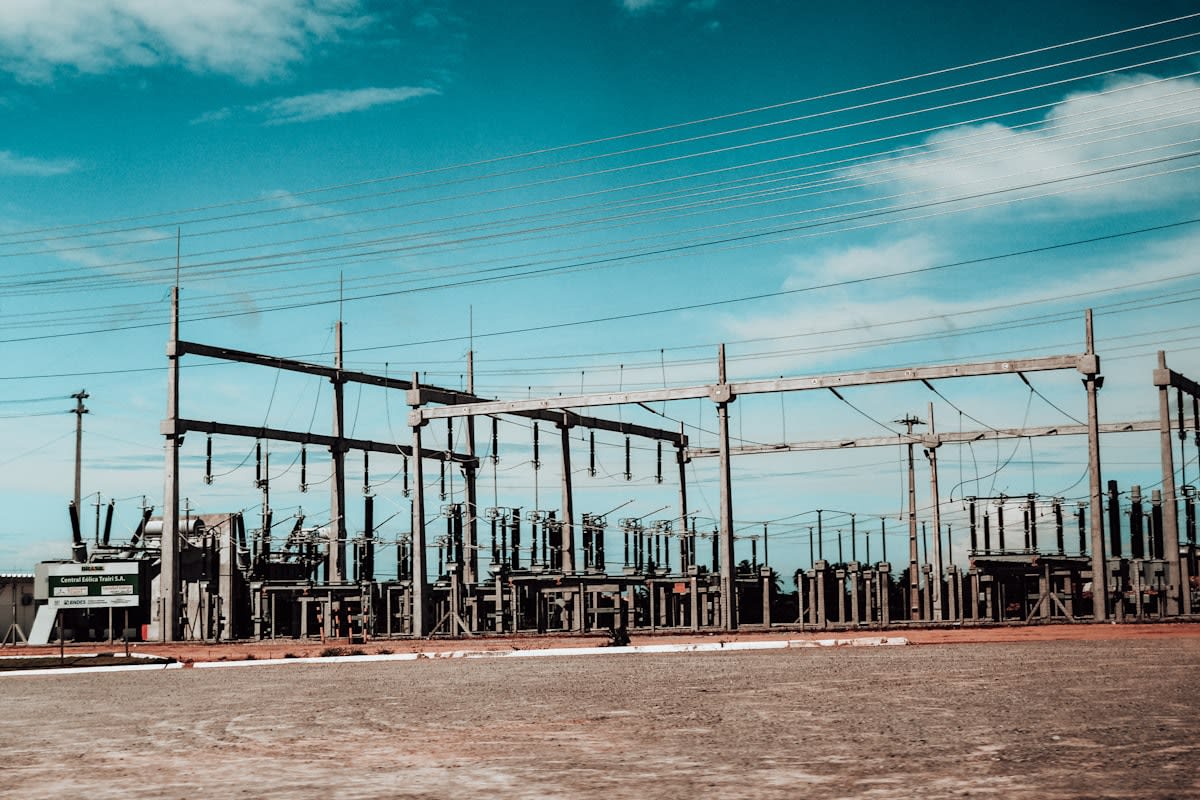
We are entering an era where wealth is measured not by the balance in a bank account, but by the degree of systemic indispensability. This is a contrarian play. While the retail investor is told to 'buy the dip' in tech stocks, the sovereign investor is buying the land under the data center. They are moving from the periphery of the economy to its core. This strategy transforms the investor from a spectator of economic cycles into a landlord of the cycles themselves.
Can this strategy fail? Absolutely. The risks are no longer market-based, but political. A change in government can lead to the renegotiation of a 99-year lease or a sudden hike in utility taxes. However, the calculus has changed. The risk of a 'political event' is now viewed as more manageable than the risk of a 'systemic financial collapse.' For the global elite, the choice is between a known political risk and an unknown systemic one. They are choosing the former because it can be mitigated through diplomacy, insurance, and strategic partnerships.
Preference Shift in UHNWI Asset Allocation (Conceptual Trend)
Executive Insight
+18.4%
YTD Growth
Ultimately, the infrastructure pivot is a confession that the era of frictionless global capitalism is over. The belief that money could flow anywhere, instantly and safely, has been replaced by a desire for rootedness. By anchoring their wealth in the physical world, the wealthiest families are not just diversifying—they are building their own fortresses. They are ensuring that no matter how volatile the digital ticker becomes, they still own the ground upon which the rest of the world must walk.
Fact-Check & Accuracy Note
Key claims regarding the shift toward real assets are supported by trends noted in the IMF's Global Financial Stability Report (2023) and the World Economic Forum's analysis of systemic importance. The specific allocation percentages in the graph are conceptual representations of broader industry trends observed in private wealth management reports. The debate over 'regulatory capture' vs 'market beta' is a standard point of contention in infrastructure private equity forums.
Editorial Governance
Editorial Note: This analysis takes a strategic, contrarian view of asset allocation. It assumes a long-term horizon (20+ years) and prioritizes physical control over liquid returns, reflecting the internal logic of sovereign wealth strategies rather than retail investment advice.