
The salt flats of the Andes are not just geological anomalies. They are the new boardrooms of global energy. For decades, the Lithium Triangle—comprising Chile, Argentina, and Bolivia—functioned as a passive quarry for the industrialized North. This dynamic is ending. The assumption that minerals will flow freely simply because the planet is warming is a dangerous delusion. These nations are no longer content with the crumbs of the value chain; they want the bakery.
Why now? The logic is simple: raw lithium carbonate is a commodity subject to volatile market swings, but a battery cell is a high-value industrial product. By demanding that refining and cathode production happen within their own borders, these nations are attempting to leapfrog the traditional commodity trap that has plagued the Global South for centuries. They are moving from a model of extraction to a model of industrialization, forcing global automakers to negotiate not for tons of ore, but for long-term strategic partnerships.
The State as the Sole Gatekeeper
Chile has already signaled the start of this reorganization. The 2023 National Lithium Strategy mandates that the state must hold a majority stake in any project deemed strategically significant. This is not a total nationalization, but a calculated move to ensure that the Chilean state captures the lion's share of the rents. Does the West truly believe that the Global South will remain a passive provider of raw materials while the profits are harvested in Shanghai or Munich? The Chilean model suggests a future where the state acts as a venture capitalist, partnering with private firms but retaining the steering wheel.
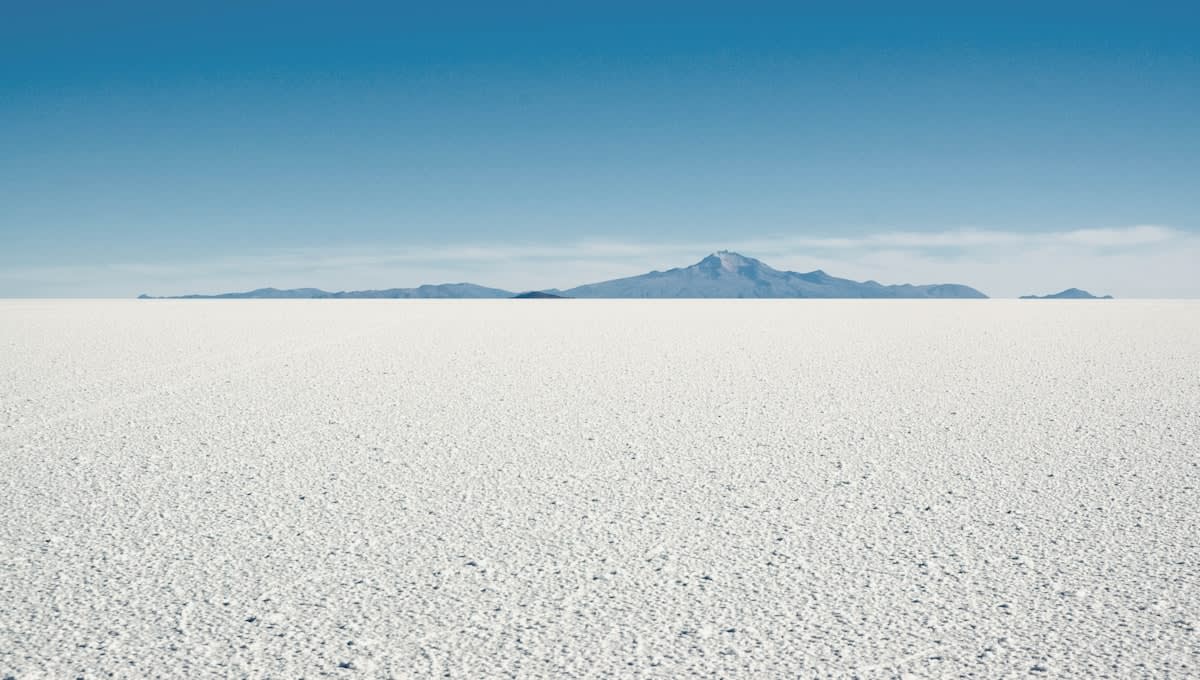
Bolivia takes an even more assertive stance. With the world's largest inferred reserves—estimated at roughly 23 million tons—La Paz has historically resisted any deal that did not grant the state total control over the production process. The Bolivian approach is characterized by a cautious search for technology partners who are willing to build factories on Bolivian soil rather than just shipping brine across the ocean. This rigidity has slowed production, but it serves as a psychological anchor for the rest of the region, proving that the owners of the resource can afford to wait.
Argentina offers a more fragmented contrast. Because mineral rights are managed at the provincial level rather than the federal level, the country remains more open to foreign direct investment. However, this internal tension is creating its own form of volatility. As provinces realize the immense value of their deposits, they are beginning to implement their own royalties and value-addition requirements. The result is a regulatory patchwork that complicates long-term planning for mining majors but increases the bargaining power of local governors.
| Nation | Strategic Approach | Reserve Profile | Primary Obstacle |
|---|---|---|---|
| Chile | State-Led Partnerships | High/Proven | Equity Distribution |
| Bolivia | State Monopoly | Very High/Inferred | Extraction Tech |
| Argentina | Provincial Autonomy | High/Growing | Regulatory Fragmentation |
"The transition to green energy is not a philanthropic exercise; it is a redistribution of geopolitical leverage from the oil fields of the Middle East to the salt flats of the Andes."— Strategic Analysis Memo
Mexico has joined this trend with the 2022 nationalization of its lithium reserves through the creation of LitioMx. While Mexico's reserves are not as massive as those in the Andes, the symbolic weight of the move is immense. It signals a regional consensus: the era of the open-door policy for mining is over. By declaring lithium a strategic mineral, Mexico is insulating its resources from the whims of the global market and treating them as national security assets.
China is the wild card in this equation. As the dominant force in battery refining, Beijing is the only actor with the capital and the technical capacity to satisfy the value-addition demands of Latin American governments. While the US and EU talk about 'friend-shoring,' China is actually building the factories. This creates a dangerous dependency; by demanding local processing, Latin American nations may inadvertently trade their dependence on Western buyers for a deeper, more structural dependence on Chinese technology.
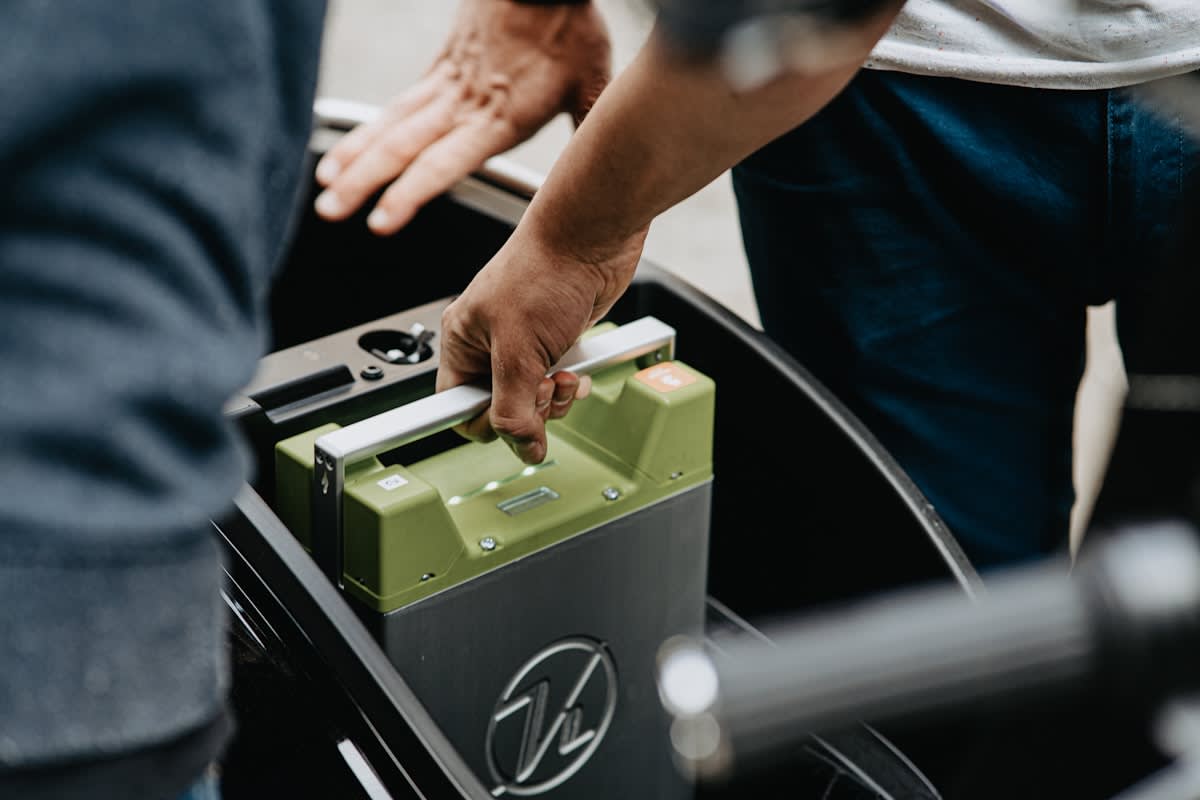
The specter of a 'Lithium OPEC' looms over the industry. While a formal cartel is currently unlikely due to the divergent political structures of the Triangle, the potential for coordinated pricing or supply quotas is real. If these nations align their export policies, they could exert the same pressure on the EV market that the oil states exerted on the internal combustion engine in the 1970s. This would essentially move the control of the energy transition from the boardroom of Tesla or BYD to the government palaces of Santiago and La Paz.
However, there is a contrarian risk that the Global North is already calculating. The more these nations squeeze the supply chain, the more they incentivize the development of lithium-free alternatives. We are already seeing an acceleration in Sodium-ion battery research and a shift toward Lithium Iron Phosphate (LFP) chemistries that reduce reliance on expensive cobalt and nickel. If mineral sovereignty makes lithium too expensive or politically toxic, the market will simply innovate around it, potentially leaving the Lithium Triangle with stranded assets and a missed window of opportunity.
The Sovereignty Paradox
The risk of under-investment is the silent killer of sovereignty. If state mandates make the cost of entry too high for private capital, the reserves remain in the ground, and the 'industrial leverage' becomes a theoretical victory with zero economic output.
Investment patterns are already shifting. Capital is flowing toward jurisdictions with more predictable regulatory environments, such as Australia and Canada. While the reserves in the Andes are larger, the 'political risk premium' is rising. Global mining firms are diversifying their portfolios to ensure that a single policy change in Chile doesn't collapse their entire feedstock. This diversification is a subtle but powerful counter-weight to the ambitions of resource nationalism.
The geopolitical leverage of the region is not absolute, but it is sufficient to force a change in how the West approaches trade. The old model of 'extract and exit' is dead. Future agreements will likely involve complex technology-transfer deals where mining rights are traded for the construction of local universities, energy grids, and manufacturing hubs. This is the only way for the Northern Hemisphere to secure its supply chain without triggering a total regional shutdown.
Market volatility will be the new normal. As these nations experiment with state-led pricing and export quotas, the price of lithium will no longer follow a simple supply-demand curve. It will be influenced by election cycles in Bolivia and legislative battles in the Argentine Congress. For the EV industry, this means that the dream of consistently falling battery costs may be an illusion. The cost of 'green' will be the cost of political stability in the Andes.
Looking forward, the success of mineral sovereignty depends on the ability of these states to manage the 'resource curse.' History is littered with nations that nationalized their primary exports only to suffer from corruption and inefficiency. The challenge for the Lithium Triangle is to ensure that state control leads to genuine industrialization rather than just a new class of bureaucratic rent-seekers. If they fail, they will have traded a foreign master for a domestic one.
Ultimately, the global battery supply chain will not 'break,' but it will be fundamentally reorganized. The center of gravity is moving. The power to decide who gets to electrify their economy is shifting toward the countries that actually own the dirt. Whether this results in a more equitable global economy or a fragmented, inefficient mess depends on whether the Lithium Triangle chooses strategic partnership over isolationist pride.