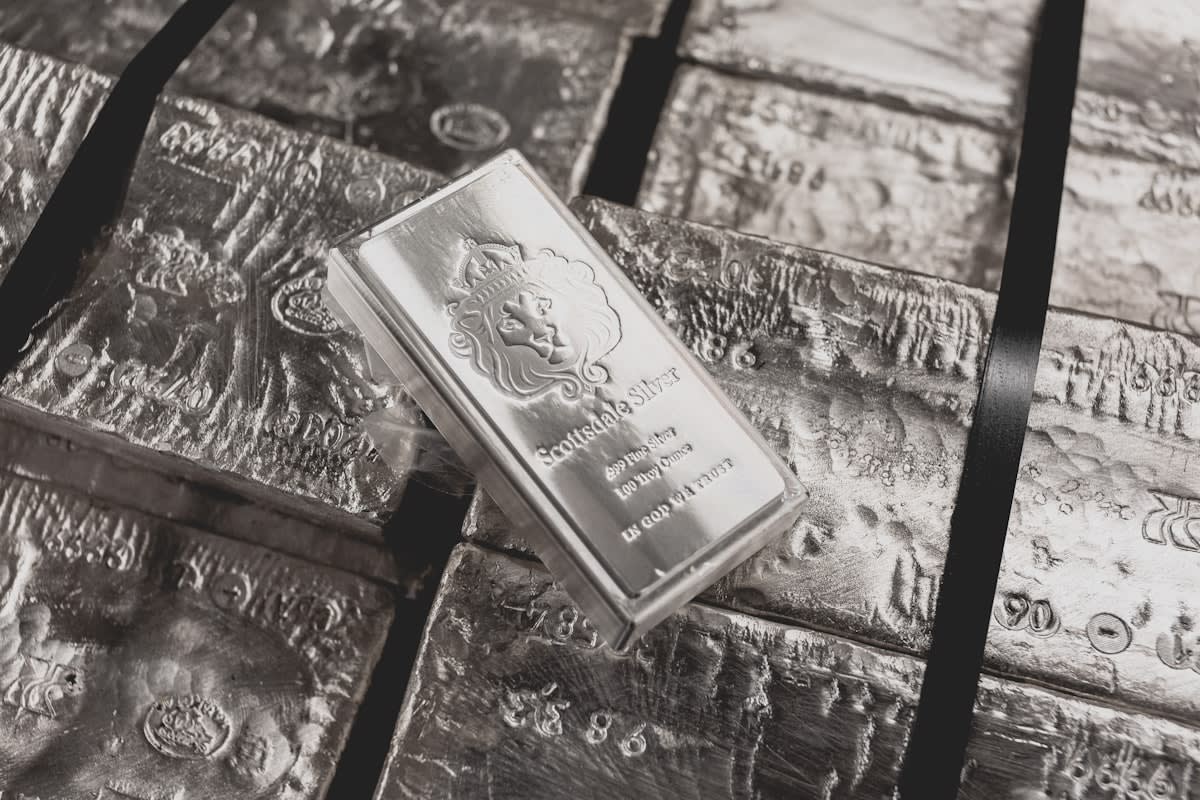
The greenback is no longer the only game in town for the central banks of the Global South. This quarter, a deliberate and coordinated movement is unfolding across Latin America, where treasuries are quietly shedding US-denominated assets in favor of gold and alternative currencies. This is not a sudden whim or a political statement, but a calculated response to the increasing volatility of the US Treasury market. Why are these nations risking the liquidity of the dollar for the relative inertia of gold? The answer lies in the deteriorating perceived safety of the world's primary reserve currency.
Comparing current reserve allocations to the data from twelve months ago reveals a stark delta. A year ago, the primary concern for Latin American finance ministers was inflation management and interest rate parity. Today, the focus has shifted toward survival and sovereignty. The reliance on the US dollar has transitioned from a strategic advantage to a potential vulnerability. We are seeing a measurable decline in the percentage of total reserves held in US Treasuries, replaced by a surge in bullion and a cautious exploration of the Chinese Yuan for trade settlement.
The Gold Rush in the Southern Hemisphere
Brazil has emerged as the vanguard of this movement. The Central Bank of Brazil has aggressively expanded its gold reserves, recognizing that bullion provides a hedge that no government bond can match. Unlike a Treasury bond, gold carries no counterparty risk; it is not a promise to pay from a government that is currently debating its own debt ceiling every few months. By increasing its gold stockpile, Brasilia is insulating its economy from the shocks of US monetary policy. This strategy allows the Brazilian Real to maintain a level of stability that is less dependent on the whims of the Federal Reserve.

| Asset Class | Share 12 Months Ago | Current Quarter Share | Delta |
|---|---|---|---|
| US Treasuries | 64% | 57% | -7% |
| Gold Bullion | 11% | 17% | +6% |
| CNY & Other Currencies | 25% | 26% | +1% |
The data in the table above highlights a structural reconfiguration of wealth. A seven percent drop in US Treasury holdings across the region may seem marginal to a casual observer, but in the world of central banking, this represents a massive reallocation of capital. This movement suggests a growing consensus that the US dollar's hegemony is not an immutable law of nature, but a historical condition that is currently under stress. The six percent increase in gold holdings is particularly telling, as it indicates a preference for hard assets over the promises of a debt-burdened superpower.
"The risk of holding a currency tied to a debt-ridden superpower has finally outweighed the liquidity benefits. We are seeing the beginning of a fragmented reserve system where safety is found in diversity, not dominance."— Dr. Elena Vargas, Emerging Markets Strategist
Beyond gold, the influence of the Chinese Yuan is manifesting in the plumbing of trade. While the dollar remains the dominant medium for global exchange, the actual settlement of commodities—soybeans, oil, and minerals—is increasingly bypassing New York. Latin American nations are utilizing currency swap lines with the People's Bank of China to facilitate trade in Yuan. This reduces the need to hold massive stockpiles of dollars just to buy essential imports, effectively lowering the demand for the greenback at the source.
The Liquidity Trap
While gold offers security, it lacks the instant liquidity of the US dollar. Latin American banks are currently performing a high-wire act: balancing the need for long-term safety against the requirement for immediate cash to defend their currencies during market panics.
The Treasury Trap and US Fiscal Volatility
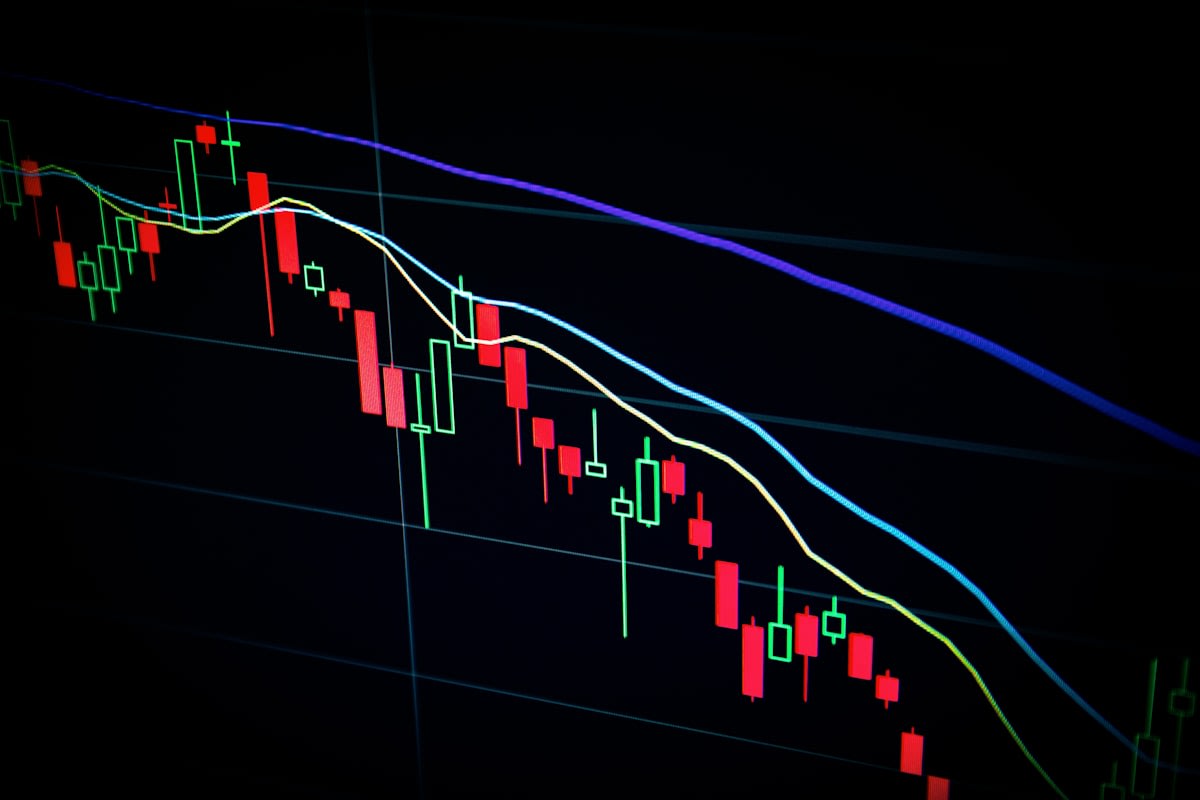
The volatility of the US 10-year Treasury yield has ceased to be a mere market fluctuation and has instead become a liability for emerging market treasuries. When the benchmark yield spikes, it triggers an immediate capital flight from Latin American bonds, forcing central banks to burn through their dollar reserves just to stabilize their own currencies. This cycle creates a perverse incentive: the very asset meant to provide security—the US Treasury—is often the catalyst for the instability it is supposed to hedge against. Consequently, the move toward bullion is a bet on the stability of an asset that carries no counterparty risk.
Mexico has taken a more cautious approach compared to Brazil, but the underlying trend remains evident. The Bank of Mexico is diversifying its portfolio to avoid over-exposure to any single sovereign entity. This prudence is driven by the realization that the US dollar is no longer just a financial tool, but a political one. The weaponization of the SWIFT system and the freezing of foreign reserves in other global conflicts have sent a clear signal to the Global South: if your reserves are held in dollars, they are subject to the political will of Washington.
- US Debt Ceiling disputes creating artificial volatility in Treasury bonds.
- The use of financial sanctions as a primary tool of US foreign policy.
- Rising trade volumes with East Asia necessitating non-dollar settlement options.
- Persistent inflationary pressures in the US eroding the real value of dollar reserves.
This strategic turn is not about the total collapse of the dollar, but about the mitigation of risk. No single nation in Latin America is prepared to abandon the dollar entirely, as it remains the most liquid asset in existence. However, the goal is now 'optimal diversification.' By spreading reserves across gold, a basket of currencies, and hard assets, these nations are creating a buffer. They are essentially buying insurance against a future where the US dollar is no longer the undisputed anchor of the global economy.
The psychological shift is perhaps more significant than the numerical one. For decades, the default setting for any central bank was to accumulate as many dollars as possible. That default has been deleted. The current mindset is one of skepticism and self-reliance. Central bankers are now asking: What happens if the US Treasury is downgraded again? What happens if the Federal Reserve is forced to monetize debt on a scale that triggers hyperinflation? These questions are driving the capital flows we see this quarter.
Looking ahead, the momentum toward non-dollar assets is likely to accelerate. As more nations in the region adopt this model, a network effect will take hold, making non-dollar trade more efficient and less risky. The transition is slow, deliberate, and quiet, but the results are undeniable. The grip of the greenback is loosening, not because of a single crisis, but because of a thousand small realizations about the nature of risk in a multipolar world.