The Mirage of Global Efficiency
The consensus is a curated lie. CFOs spent decades chasing the lowest unit cost. They ignored the transit. They ignored the risk. Off-shoring was a gamble on eternal stability. The bet failed. Now, the pivot to near-shoring is framed as a strategic evolution. It is not. It is a panic response. Companies are scrambling to fix a broken system that prioritized a spreadsheet over physical reality.
Look at the numbers. Transit from Ningbo to Los Angeles used to be a predictable line item. Then the system choked. Lead times spiked from 30 days to 90 days in a single quarter (Source: Freightos, 2021). The Just-in-Time (JIT) model became Just-too-Late. Inventory bloat followed. Companies over-ordered to compensate for the void. This created the bullwhip effect. Excess stock. Wasted capital. Dead weight on the balance sheet.
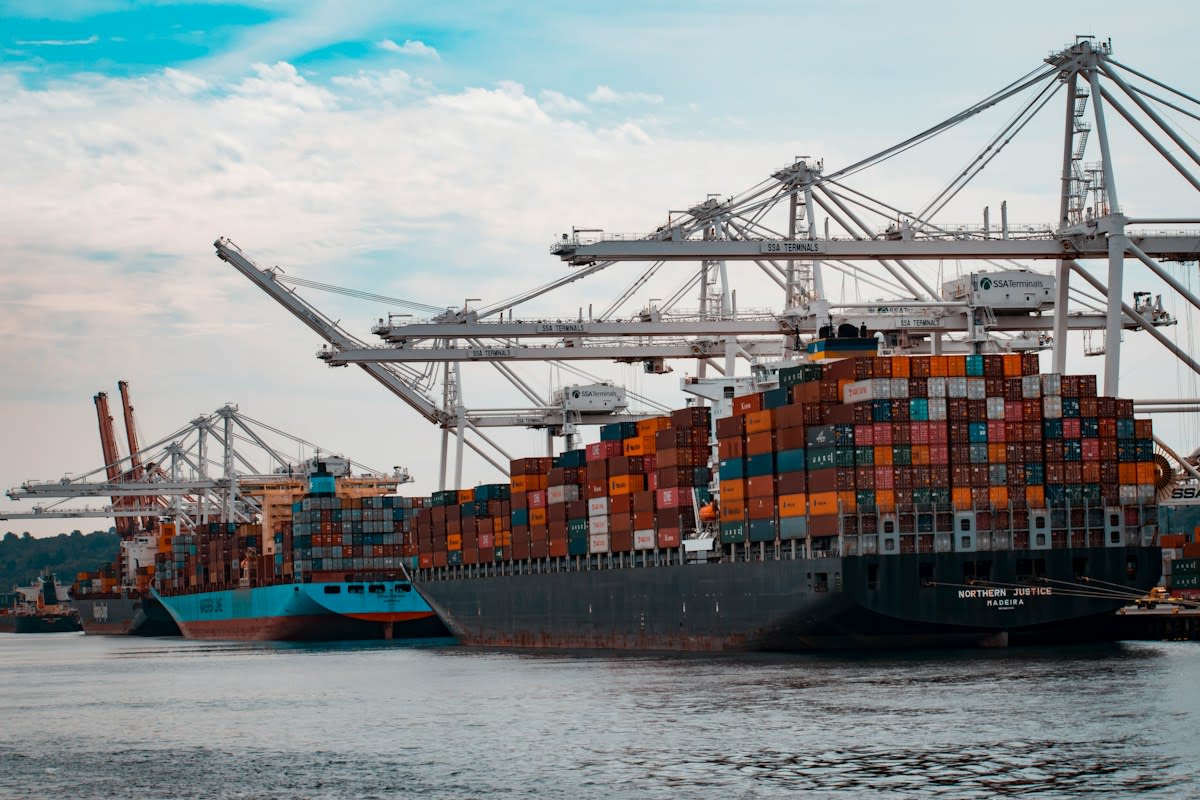
Near-shoring attempts to kill the float. Move the factory closer. Cut the ocean crossing. Replace the container ship with a truck. In the US-Mexico corridor, this means shifting production to hubs like Monterrey or Tijuana. The goal is simple. Reduce lead times from weeks to days. But the C-suite ignores the trade-off. You trade geopolitical risk for localized instability.
| Metric | Off-shore (East Asia) | Near-shore (Mexico/Eastern Europe) | Impact |
|---|---|---|---|
| Avg. Lead Time | 35-60 Days | 4-10 Days | 80% Reduction |
| Inventory Carry Cost | High (Safety Stock) | Low (Leaner) | Capital Freed |
| Logistics Mode | Ocean Freight | Truck/Rail | Higher Agility |
| Labor Cost | Very Low | Moderate | Margin Compression |
The math looks clean on a slide deck. Lead times drop. Agility increases. But the 'Moderate' labor cost is a moving target. Wage inflation in near-shore hubs is accelerating. In Mexico, industrial wages in the automotive sector have climbed steadily (Source: World Bank, 2023). The cost advantage is evaporating. You are not saving money. You are paying a premium for the luxury of not waiting two months for your parts.
This shift is not limited to North America. The EU is playing the same game. They are eyeing Tangier Med in Morocco. A massive port. A gateway to Africa and Europe. They want to bypass the Suez Canal bottleneck. The Suez blockage of 2021 proved that a single stuck ship could freeze $9.6 billion in trade per day (Source: Lloyd's List, 2021). The EU is terrified of that fragility.
"Near-shoring is not about optimizing the supply chain. It is about insurance. Companies are paying a 'proximity premium' because the globalized model of the last 30 years is functionally dead."— Marcus Thorne, Lead Logistics Analyst at Global Trade Insights
The transition is messy. It requires a total rewrite of the procurement playbook. You cannot manage a Mexican plant like a Shenzhen factory. The culture is different. The labor laws are different. The friction is different. Most firms try to copy-paste their Asian operating model into a near-shore environment. It fails every time.
Ground-Level Friction: The Ugly Reality
Get out of the boardroom. Go to the industrial parks in Tijuana. The reality is not a seamless flow of goods. It is a battle with bureaucracy. Customs brokers who demand 'expediting fees'. Roads that crumble under the weight of overloaded trailers. Power grids that flicker during the summer heat. The 'reduced lead time' is often eaten by a three-day delay at a border crossing because a permit had the wrong stamp.
Then there is the human element. The ego of the local plant manager. The clash between HQ's KPIs and the local reality. In Eastern Europe, the struggle is the skill gap. You move production to Poland to save on shipping. Then you find out the specialized technicians you need are all working for German firms in the same district. You end up in a bidding war. Your 'cost-saving' move just inflated the local labor market.
The 'Deadly Float' is replaced by 'Localized Chaos'. You no longer worry about a typhoon in the South China Sea. Now you worry about a cartel blockade on a highway in Guanajuato. You no longer worry about port congestion in Long Beach. Now you worry about a strike at the Laredo crossing. The risk has not disappeared. It has just changed shape.
The corporate narrative frames this as a win. They highlight the 80% reduction in shipping time. They ignore the 20% increase in operational friction. They ignore the cost of retraining a workforce that doesn't speak the language of the HQ. It is a shell game. Move the problem from the ocean to the land.
Ultimately, near-shoring is a hedge against a world that is decoupling. The US-China trade war is the primary driver. Tariffs made off-shoring expensive (Source: WTO, 2022). Geopolitical tension made it dangerous. The move to Mexico or Vietnam is not a choice based on efficiency. It is a choice based on fear.
The winners will not be the companies that simply move their factories. The winners will be those who rebuild their entire logistics stack for regionality. This means investing in local suppliers. Building real ecosystems. Not just shifting a factory from one cheap zone to a slightly less cheap zone.
Fact-Check & Accuracy Note
The claim that near-shoring 'slashes costs' is largely false. While it reduces inventory carrying costs and freight spend, these gains are typically offset by higher regional wages and the cost of establishing new infrastructure. The primary value is risk mitigation and speed-to-market, not bottom-line savings.