Is Alzheimer's in your DNA? Doctors reveal what your family history actually means and whether you should get tested
Source Entity
Latest News: Todays Latest News Headlines from India & World | Hindustan Times | Hindustan Times
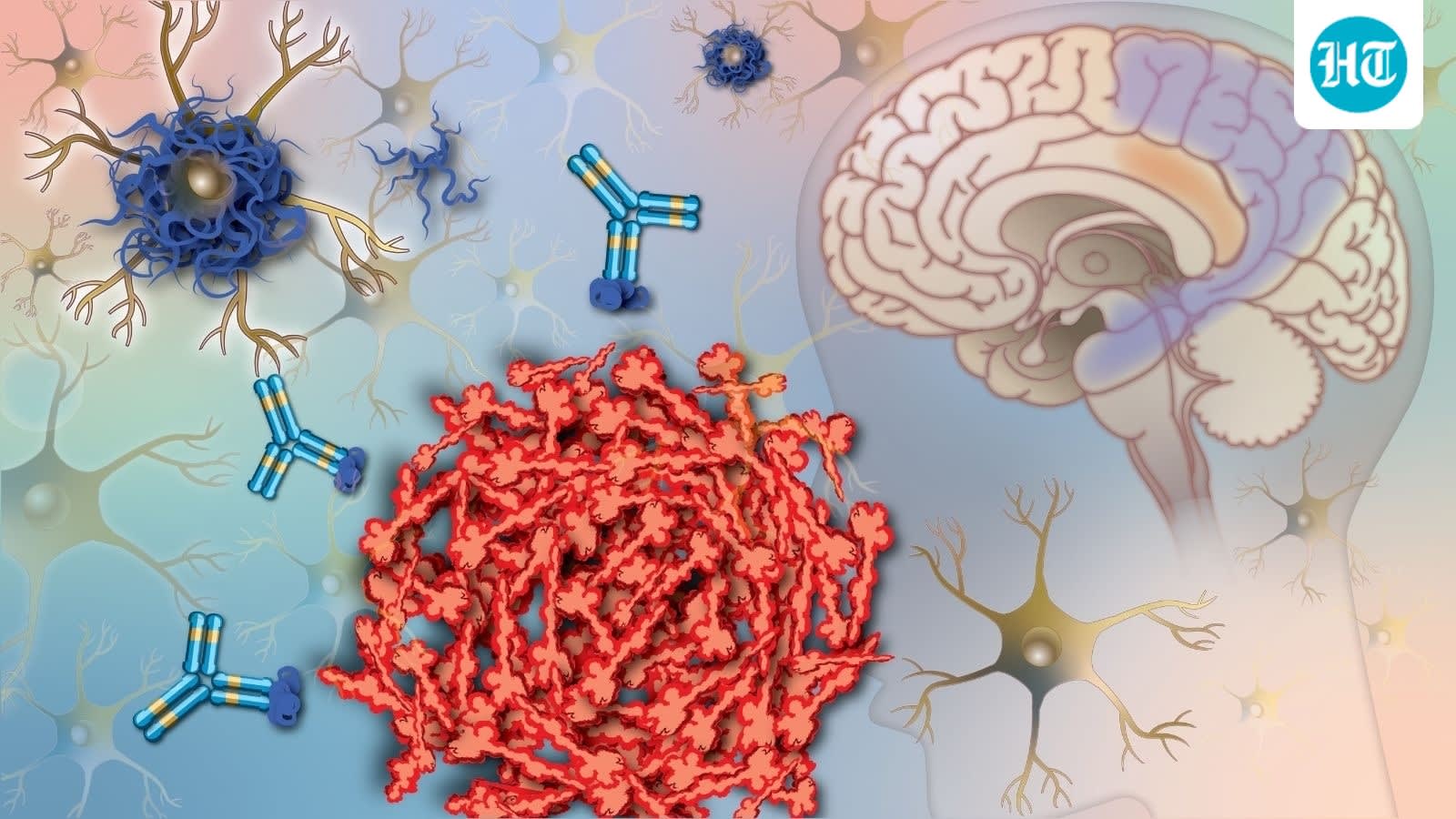
Experts clarify that having a family history of Alzheimer's does not guarantee a personal diagnosis. Understanding the nuance between genetic risk and lifestyle factors is key to proactive brain health.
Understanding the Genetic Landscape of Alzheimer’s Disease
When a family member is diagnosed with Alzheimer’s disease, the immediate psychological response is often one of fear, leading many to question their own genetic predisposition. However, medical experts emphasize that the relationship between DNA and Alzheimer’s is significantly more nuanced than a simple cause-and-effect relationship. While hereditary factors play a role, they are rarely the sole determinant of whether an individual will develop the condition later in life.
Distinguishing Between Deterministic and Risk Genes
To understand the actual risk, it is essential to distinguish between different types of genetic markers. Some rare genetic mutations can cause early-onset Alzheimer's, which is highly deterministic. However, for the vast majority of cases, the genetic markers involved—such as the APOE-ε4 allele—only increase the level of risk rather than guaranteeing the onset of the disease. This distinction is vital for patients who experience anxiety over minor memory lapses, such as forgetting names or misplacing keys, which are common human experiences rather than definitive symptoms of neurodegeneration.
The Role of Professional Medical Guidance
Consulting with specialists, such as Dr. Kapil Singhal of the Institute of Neurosciences and Dr. Shabnam Mir of Antara Senior Care, allows for a personalized assessment of risk. These professionals caution against self-diagnosis or over-reliance on consumer genetic testing without clinical context. A family history serves as a tool for awareness rather than a diagnostic sentence, enabling doctors to construct a more targeted preventative strategy.
Beyond DNA: The Power of Lifestyle Interventions
While we cannot alter our genetic code, we possess significant control over lifestyle variables that impact brain health. The current medical consensus suggests that proactive measures—such as cognitive engagement, physical exercise, and cardiovascular health management—can mitigate the impact of genetic predisposition. By focusing on these modifiable risk factors, individuals can build 'cognitive reserve,' which may delay the onset of symptoms even in those with a higher genetic risk.
Future Trends in Early Detection
As medical technology advances, the focus is shifting toward early detection tools, such as the 5-minute memory test. While these tests are valuable for screening, they must be interpreted within a broader clinical framework. The future of Alzheimer’s care lies in integrating genetic counseling with lifestyle medicine, moving away from a passive approach toward a proactive, data-driven strategy for long-term brain health.
Conclusion: Moving from Fear to Action
Ultimately, a family history of Alzheimer’s should be viewed as a call to action rather than a cause for despair. By understanding the complexity of genetic influence and prioritizing evidence-based lifestyle changes, individuals can take meaningful steps to protect their cognitive function. Knowledge, when paired with professional medical guidance, remains the most effective tool in managing the uncertainty associated with hereditary neurodegenerative risks.
Verification Required?