Are Europe’s worst fears coming true? Putin could test NATO 'within months, not years' | Russia, war
Source Entity
Latest News: Todays Latest News Headlines from India & World | Hindustan Times | Hindustan Times
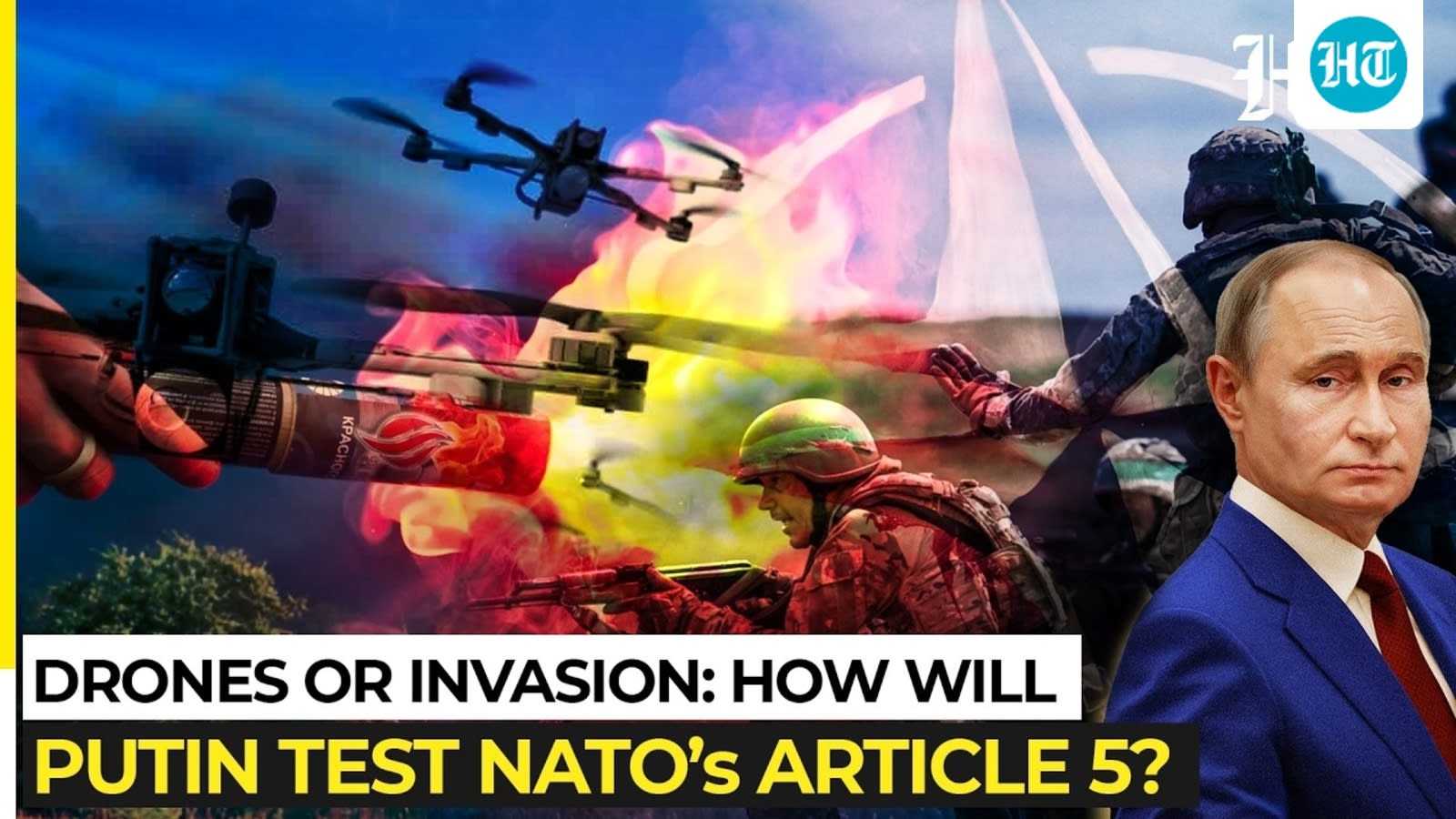
European intelligence officials are warning of potential Russian 'grey-zone' provocations against NATO, ranging from sabotage to cyberattacks. While some leaders fear an imminent test of Article 5, others caution against panic that could inadvertently serve Kremlin interests.
The Escalating Shadow War: Assessing Russia's Intent Toward NATO
European security landscapes are currently dominated by a pervasive anxiety regarding the potential for a direct confrontation between Russia and NATO. Intelligence assessments from figures such as Czech intelligence chief Michal Koudelka and Polish Prime Minister Donald Tusk suggest that Moscow may be preparing to probe the alliance's resolve within a timeframe of months rather than years. This assessment is rooted in a shift away from traditional, large-scale tank invasions toward more ambiguous, deniable tactics.
The Mechanics of 'Grey-Zone' Operations
Unlike conventional warfare, these 'grey-zone' operations are designed to exist in the space between peace and open conflict. By utilizing drones, cyberattacks, sabotage at critical infrastructure—such as airports—and plots involving criminal networks, Russia aims to test NATO’s Article 5 commitment without crossing the threshold that would trigger a collective military response. These incidents, often dismissed individually as accidents, form a calculated pattern intended to intimidate European populations and erode political support for Ukraine.
Political and Civil Preparedness
The gravity of this threat has prompted tangible shifts in European civil defense policy. Reports indicate that Britain has advised citizens to stockpile basic supplies, while Germany is actively preparing its healthcare infrastructure for the possibility of mass casualty events. Even Switzerland, historically defined by its neutrality, has begun integrating defensive strategies into its national security framework, signaling a continent-wide recognition that the status quo of European security has been fundamentally altered.
The Strategic Risk of Panic
Despite the warnings from Warsaw and Prague, not all European officials are aligned on the imminence of a strike. Baltic security leaders have urged for a measured response, warning that widespread panic may actually serve the Kremlin’s strategic objectives. By inducing fear, Russia can destabilize European societies and force governments into reactive, costly, or divisive policy decisions that ultimately weaken the unity of the NATO alliance.
France and the Shift in Rhetoric
Recent statements from French President Emmanuel Macron reflect the seriousness with which high-level European leadership views these threats. Following briefings on the risk of civilian casualties from Russian sabotage, Macron’s warning that “no one is safe” highlights a shift in European rhetoric. The objective, according to Western intelligence, is to break European resolve, yet the very act of preparing for these provocations suggests that the continent is moving toward a more resilient, albeit anxious, defensive posture.
Future Implications for European Security
Looking ahead, the primary challenge for NATO will be maintaining a balance between credible deterrence and avoiding the trap of escalatory fear. As Moscow continues to utilize deniable tactics, the alliance must develop more sophisticated methods of attribution and collective response to ensure that these grey-zone probes do not evolve into a broader, conventional conflict. The coming months will likely be defined by a delicate game of geopolitical brinkmanship, where information warfare and civil preparedness become as critical as military readiness.
Verification Required?