Tesla makes a move on Southeast Asia's largest EV market. A homegrown giant awaits
Source Entity
US Top News and Analysis
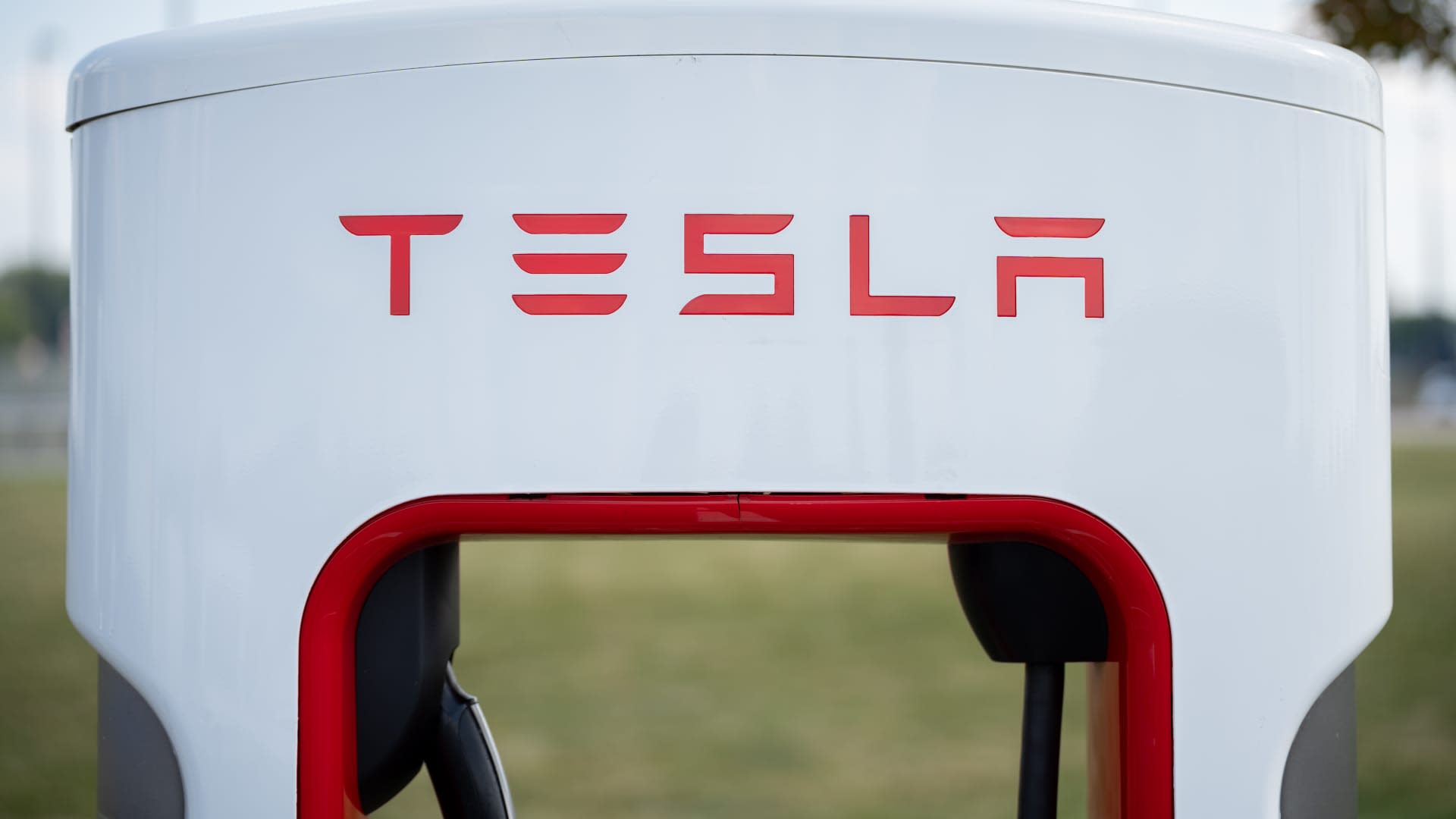
Tesla has established a local subsidiary in Vietnam, signaling an intent to enter the region's largest EV market. The company faces stiff competition from the dominant homegrown automaker, VinFast.
Tesla’s Strategic Pivot: Entering the Vietnamese EV Frontier
Tesla’s recent registration of 'Tesla Motors Vietnam' marks a significant turning point in the company's global expansion strategy. By establishing a local subsidiary, the U.S. electric vehicle giant is signaling its intent to capture a share of Southeast Asia's most rapidly evolving automotive landscape. This move follows a period of aggressive growth for the EV sector in Vietnam, which, according to the International Energy Agency, became the largest electric car market in the region as of 2025.
The Competitive Landscape: Facing a Homegrown Titan
Entering Vietnam is not merely a logistical challenge for Tesla; it is a direct challenge to the incumbent market leader, VinFast. As a homegrown giant, VinFast is deeply entrenched in the local infrastructure and consumer psyche, having led the charge during the country's EV adoption surge. Tesla’s entry will necessitate a sophisticated strategy to differentiate its charging network—symbolized by its globally recognized Supercharger technology—and its software-defined vehicle ecosystem against a competitor that already possesses extensive local manufacturing and service capabilities.
Market Dynamics and Rapid Adoption
The urgency of Tesla’s move is underscored by the explosive growth of the Vietnamese market. With sales more than doubling and EVs accounting for nearly 40% of new car sales in 2025, the country has become an essential battleground for global electrification. This high penetration rate suggests a consumer base that is not only ready for the transition to electric mobility but is actively seeking diverse options, providing a window of opportunity for Tesla’s premium branding.
Infrastructure and Long-Term Implications
Tesla’s historical success has been predicated on the deployment of its proprietary Supercharger network, which serves as both a convenience and a competitive moat. In Vietnam, the company will likely need to navigate complex regulatory frameworks and infrastructure requirements to replicate this model. Should Tesla successfully deploy its infrastructure, it could accelerate the overall development of the local charging ecosystem, benefiting the broader EV transition in Southeast Asia.
Future Trends in Southeast Asian Automotive Markets
Looking ahead, the rivalry between Tesla and VinFast will likely set the tone for the entire region's automotive trajectory. As Southeast Asian nations accelerate their decarbonization goals, the competition between global incumbents and local champions will drive innovation in price, range, and charging accessibility. Tesla’s entry is a clear indicator that the region is no longer an emerging market but a core pillar of the global EV supply chain and consumer demand landscape.
Conclusive Outlook
In summary, Tesla's formal move into Vietnam is a calculated risk that reflects the high stakes of the global EV race. While the company faces a formidable opponent in VinFast, the sheer velocity of the Vietnamese market's growth provides ample room for multiple players. The success of this venture will depend on Tesla’s ability to localize its offerings effectively while maintaining the technical advantages that have defined its brand on a global scale.