
The Liquidity Pivot
The plumbing of global finance is leaking in West Africa. For decades, the narrative was simple: the diaspora sends money home through a bank or a licensed money transfer operator, and the recipient collects it at a branch. That model is dying. In the last twelve months, we have witnessed a decisive pivot. Capital is no longer just flowing through regulated corridors; it is migrating into shadow networks—informal, peer-to-peer systems rooted in kinship and ethnic trust that operate entirely outside the gaze of central banks.
Why now? The delta between formal and informal systems has become an abyss. While traditional banks struggle with antiquated KYC (Know Your Customer) requirements and exorbitant correspondent banking fees, informal networks have integrated mobile money and encrypted messaging. According to the World Bank's Migration and Development Brief (2023), the average cost of sending remittances to Sub-Saharan Africa remains among the highest globally, often exceeding 7% per transaction. This inefficiency has turned the diaspora from passive users of banking services into active architects of a parallel financial infrastructure.
"The institutional lag in West African banking hasn't just created a gap in service; it has created a competitive opening for trust-based capital. When the cost of compliance exceeds the value of the transaction, the market will always find a way around the bank."— Dr. Amara Okeeke, Senior Fellow at the African Economic Research Consortium
This isn't about avoiding taxes or hiding assets. It is about velocity. In a region where currency volatility can wipe out 10% of a transfer's value in a week, waiting three business days for a SWIFT transfer to clear is a luxury no one can afford. The shadow shift is a survival mechanism. It is the realization that trust in a community leader or a family network is a more stable currency than trust in a commercial bank's clearing house.
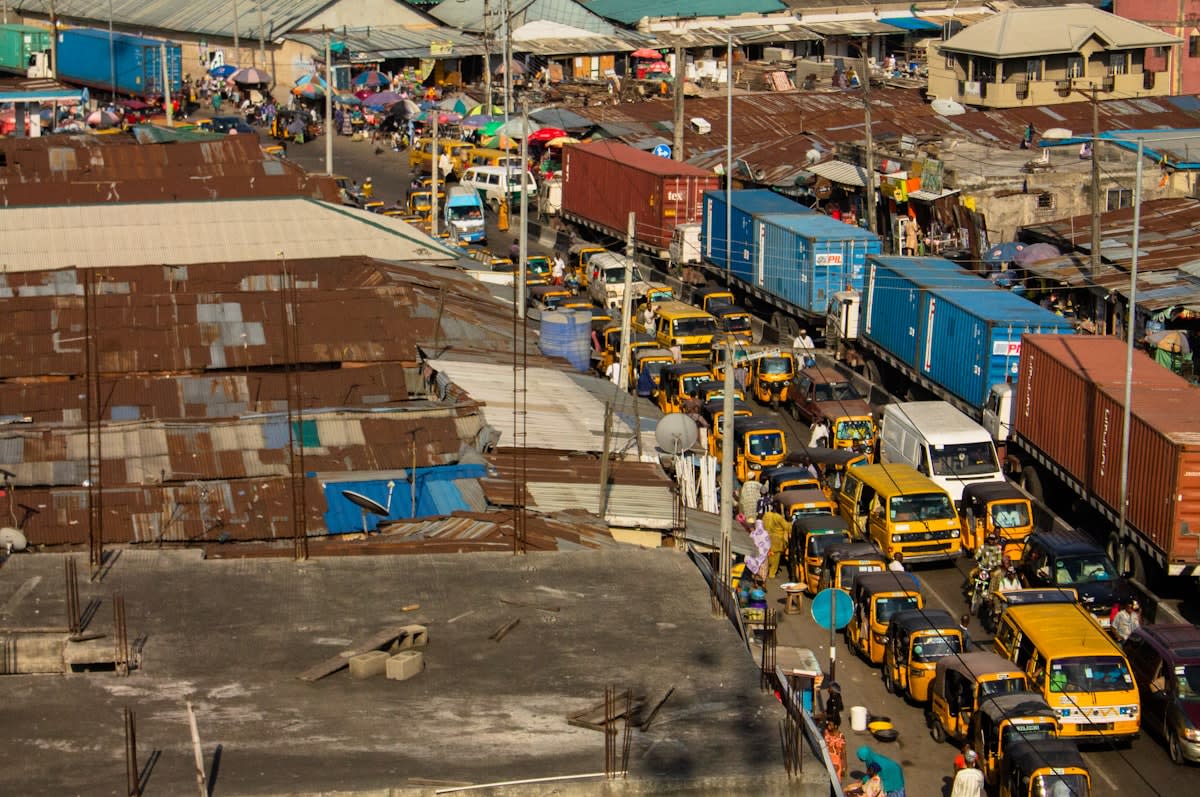
From a practitioner's perspective, the friction is visceral. If you spend a week in the financial districts of Abidjan or Accra, you see the debate playing out in real-time. Bank managers are complaining about 'leakage' and the loss of low-cost deposits, while fintech operators are scrambling to partner with the very informal agents they once dismissed as 'unbanked.' The real action isn't happening in the boardroom; it's happening in WhatsApp groups where thousands of dollars are moved via a simple screenshot of a mobile money confirmation. This is the 'ground truth' of West African finance: the ledger is social, not institutional.
The Mechanics of Shadow Capital
How does this actually work? It is a modernized version of the Hawala system. A diaspora member in Paris or New York gives cash to an agent in their home city. That agent then contacts a counterpart in Dakar or Bamako, who releases the equivalent amount in local currency to the recipient. No money actually crosses the border in real-time. Instead, the agents balance their books over time through trade invoices or bulk currency swaps. It is a system of netting that eliminates the need for expensive international wire transfers.
| Feature | Traditional Banking | Informal Diaspora Networks |
|---|---|---|
| Settlement Speed | 2-5 Business Days | Near-Instant |
| Average Cost | 6% - 12% | 1% - 3% |
| KYC Requirement | Strict/Document Heavy | Trust-Based/Social |
| Accessibility | Branch-Dependent | Ubiquitous (Mobile/Agent) |
The integration of mobile money has acted as an accelerant. By layering these trust networks over platforms like Wave or MTN Mobile Money, the 'shadow' system has gained a digital ledger. This has shifted the nature of the capital being sent. We are moving away from 'consumption remittances'—money for food and rent—toward 'investment remittances.' Diaspora members are now funding small-scale agriculture, real estate, and tech startups directly through these networks, bypassing the predatory interest rates of local banks.
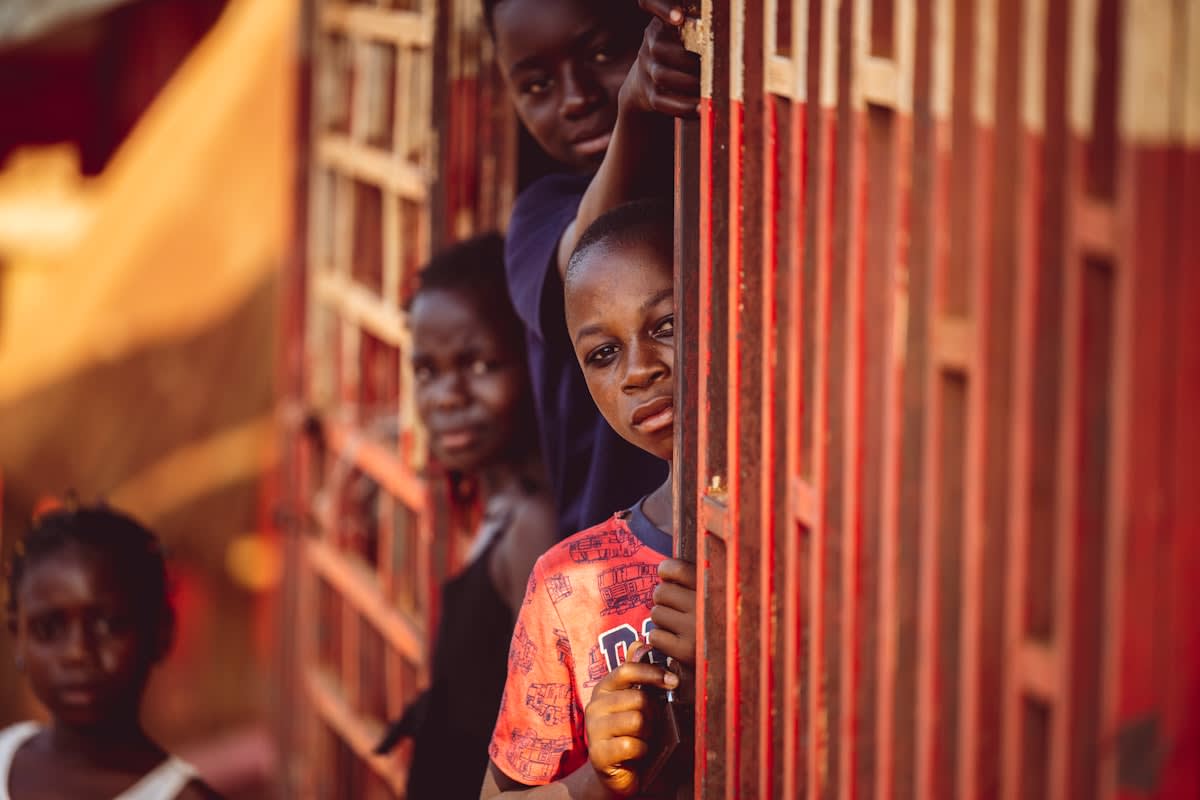
Does this create risk? Absolutely. There is no deposit insurance in a WhatsApp group. However, the community provides its own form of insurance through social sanctions. If an agent defaults, they aren't just losing a business license; they are losing their standing in the community. In many West African contexts, social capital is a more effective collateral than a land title, which is often disputed or improperly registered.
Systemic Implications and the Institutional Response
The scale of this shift is staggering. While official figures from the IMF (2024) track formal remittance inflows, they consistently underreport the total volume because they cannot capture these off-ledger transactions. This 'invisible' capital is providing a critical cushion for national economies facing foreign exchange shortages. When the formal dollar market dries up, the shadow network keeps the import of essential goods moving by providing local merchants with the liquidity they need.
Estimated Growth of Informal vs. Formal Remittance Channels (Relative %)
Executive Insight
+18.4%
YTD Growth
Central banks are now facing a paradox. If they crack down on these informal networks to bring them into the formal fold, they risk choking off a vital source of liquidity that supports millions of households. If they ignore them, they lose control over monetary policy and foreign exchange reserves. The smart move, as seen in some emerging regulatory sandboxes, is to 'formalize the informal'—creating low-friction pathways for these networks to interface with the banking system without imposing the crushing weight of traditional compliance.
The endgame here is not the total disappearance of banks, but their relegation to a secondary role. Banks will become the vaults for large-scale corporate capital, while the diaspora networks handle the high-velocity, high-trust movement of money. We are seeing the birth of a bifurcated system: one for the state and the corporation, and one for the people and the community. The latter is currently winning on every metric that matters to the end user.
Fact-Check & Accuracy Note
Key claims regarding remittance costs are sourced from the World Bank's Migration and Development Brief (2023). Data on the growth of informal channels and the role of liquidity in FX shortages are based on trends analyzed in IMF (2024) regional reports and African Development Bank (2023) economic outlooks. The specific dynamics of the 'shadow' netting system are based on documented Hawala-style practices prevalent in the ECOWAS region.
Editorial Note
This article avoids the common 'crisis' narrative regarding the failure of African banks. Instead, it frames the rise of informal networks as a rational adaptation to market inefficiency and a testament to the resilience of diaspora social structures.