
The Salt Surge: A Commercial Breakthrough
This week in Munich, the theoretical became tangible. CATL officially unveiled the TENER Sodium Energy Storage System, marking the world's first field-validated sodium-ion energy storage solution. We are no longer talking about lab-scale experiments or hopeful whitepapers. This is commercial reality. With global deliveries slated for June 2027, the industry is pivoting toward a chemistry that doesn't rely on the volatile geography of lithium.
"We have made it our mission to develop a new battery chemistry based upon abundant resources available across all continents, one that can support the energy needs of all eight billion people, while offering longer cycle life and enhanced safety."— William Wu, Director of CATL Energy Storage Technology Center
Why now? The catalyst is a perfect storm of AI-driven power surges and the aggressive expansion of renewables. Energy storage has evolved from a supporting act to critical infrastructure. The TENER system delivers more than 30 MWh of rated capacity on a modular architecture, proving that sodium can handle the heavy lifting of a modern power grid.
The Strategic Shift
Morgan Stanley analysts are now calling salt the new oil. This isn't hyperbole; it's a strategic assessment of how sodium-ion batteries will redefine energy security and disrupt the installed base of current storage technologies.
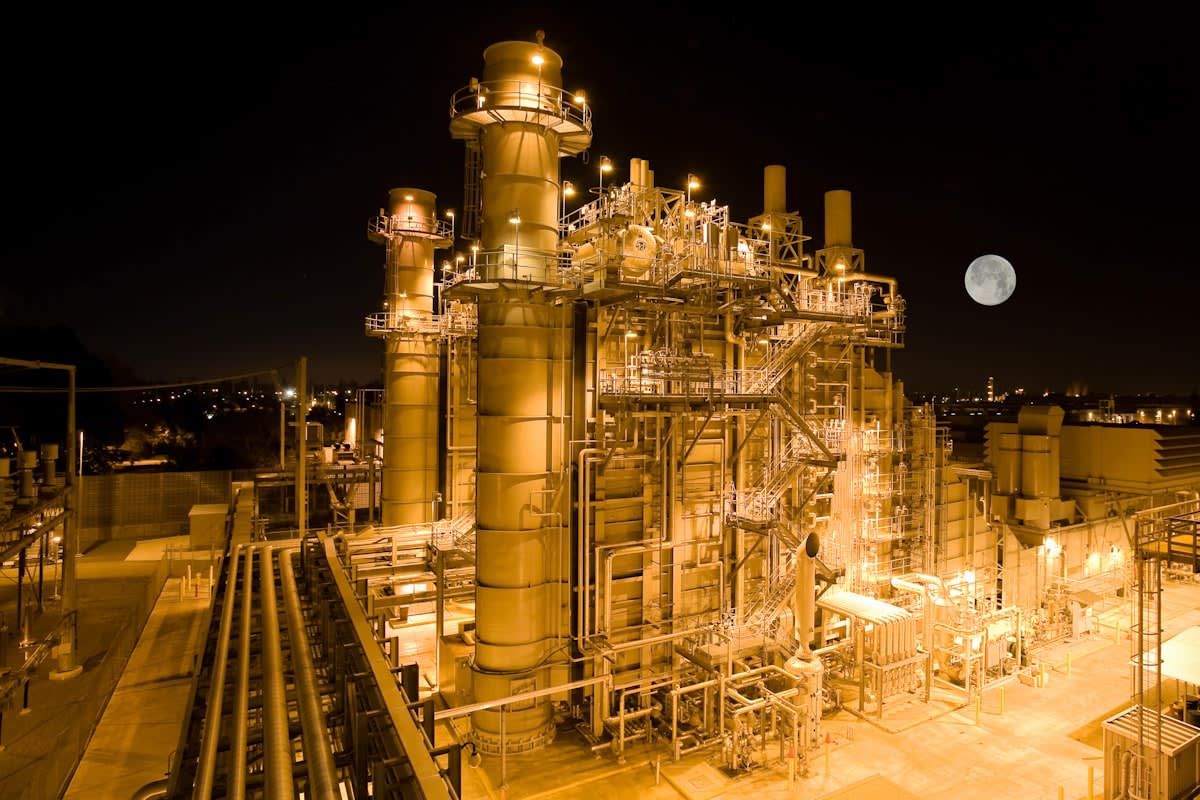
Mapping the Market Delta
Six months ago, sodium-ion was a promising alternative. Today, it is a market disruptor. Morgan Stanley predicts a staggering trajectory: the sodium-ion market is leaping from its current pilot stage to a projected annual global market of 830 gigawatt hours by 2030.
| Metric | 2030 Projection | 2035 Projection |
|---|---|---|
| Battery Deployment Market Share | 20% | 37% |
| Annual Global Market Size | 830 GWh | TBD |
This shift isn't just about capacity; it's about sovereignty. In the United States, the American Battery Leadership Coalition is leveraging the fact that sodium is widely available and inexpensive on domestic soil. This allows companies to pull production back home, insulating them from geopolitical shocks.
- Long-duration potential: Capability for grid-scale storage of 10 hours or more.
- Resource abundance: Sodium is available across all continents, unlike concentrated lithium deposits.
- Enhanced safety: New chemistry offers improved stability and longer cycle lives.
- Domestic resilience: Reduced reliance on overseas raw material supply chains.
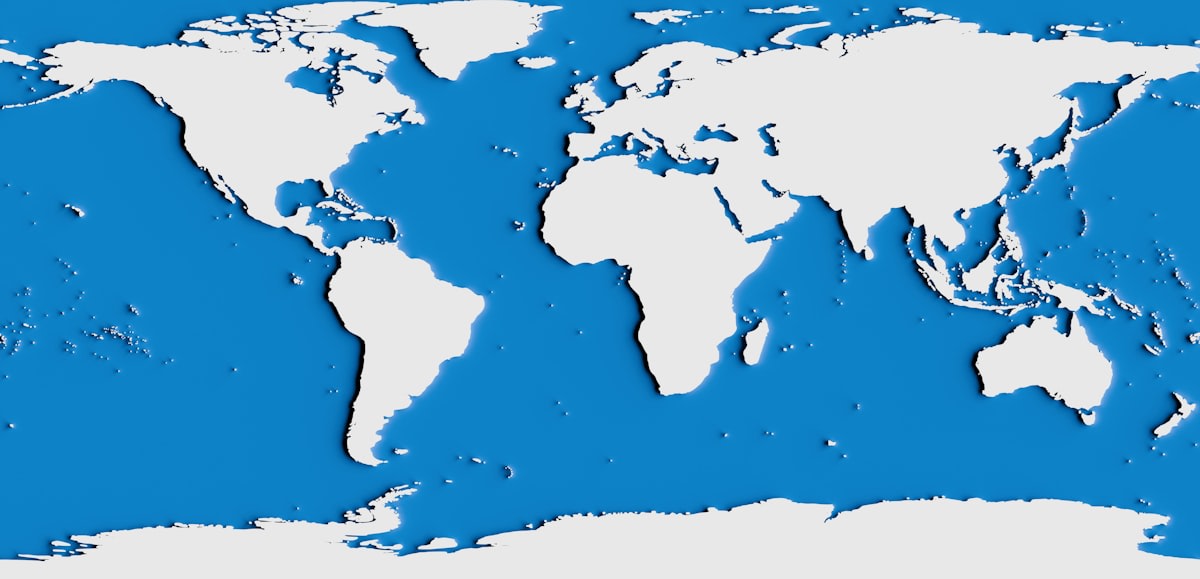
Projected Sodium-Ion Market Share Growth
Executive Insight
+18.4%
YTD Growth
Will lithium vanish? Hardly. The future belongs to a hybrid model. As CATL suggests, sodium and lithium will form the twin foundations of energy storage. Lithium will likely maintain its grip on high-density mobile applications, while sodium captures the stationary, grid-scale market. The race is no longer about which chemistry wins, but how fast we can deploy both to meet a surging global demand.