Taiwan charges nine people for smuggling ‘high-end’ AI servers to China
Source Entity
Associated Press
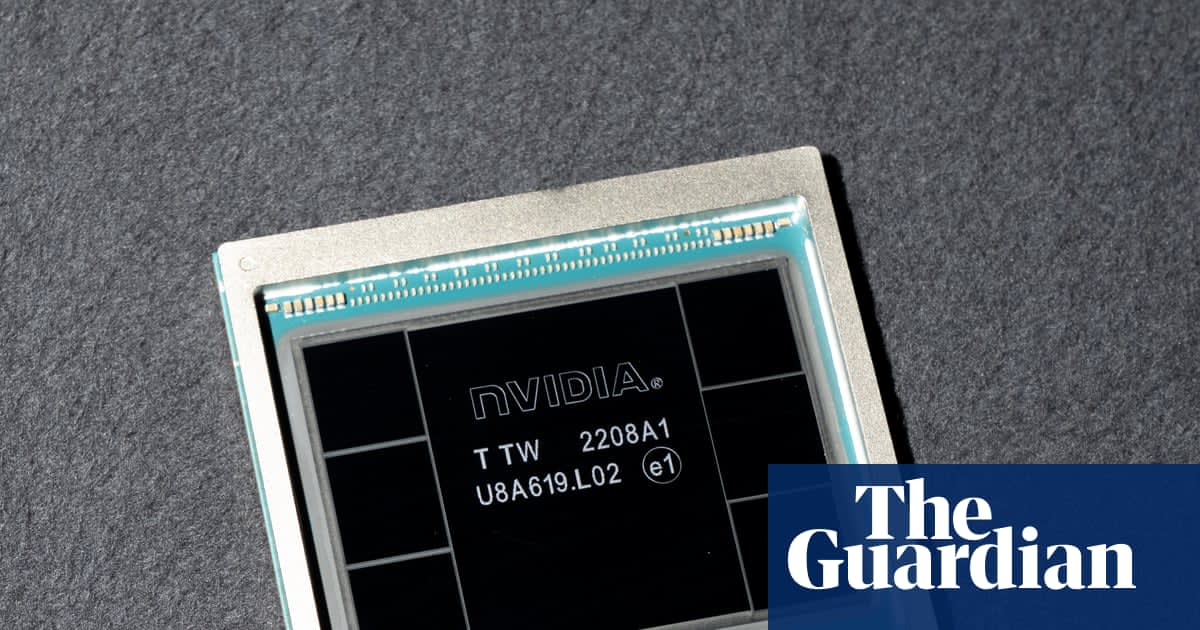
Super Micro and Dell stocks surged after Taiwanese indictments targeted individuals rather than the corporations themselves. The legal focus on personal charges for exporting restricted AI servers to China has temporarily eased investor fears regarding corporate liability.
Market Relief Following Targeted Indictments
Recent market activity has seen a notable surge in the technology sector, specifically with Super Micro Computer (SMCI) climbing 8% and Dell Technologies (DELL) rising 4%. This rebound is directly tied to the news that Taiwanese prosecutors have filed criminal charges against nine individuals—including personnel linked to Nvidia and Super Micro—rather than targeting the corporations themselves. By narrowing the scope of the indictments to specific individuals, the legal proceedings have effectively cleared immediate corporate liability concerns that had previously dampened investor sentiment.
The Mechanics of the Legal Action
The legal situation centers on the illegal export of high-end AI servers, specifically units identified as 'B300' graphics processing units, which are currently under strict export bans to mainland China. Because the direct export of these restricted chips is not classified as a criminal offense under existing Taiwanese law, prosecutors were forced to pivot their strategy. They pursued charges related to breach of trust, forgery, and embezzlement to address the unauthorized movement of these high-value assets. This distinction is critical, as it allows the companies to distance themselves from the illicit actions of their employees.
Geopolitical Implications of AI Server Smuggling
The investigation revealed that 74 servers were successfully routed into China through complex logistics, utilizing transit points such as Indonesia, Japan, and Hong Kong to bypass export controls. A further shipment of 56 servers was intercepted, preventing them from leaving Taiwan. This event underscores the immense pressure currently facing the AI infrastructure supply chain. As the United States and China continue their intense rivalry over advanced semiconductor technology, the illicit trade of these components serves as a focal point for regulatory scrutiny and geopolitical tension.
Sector-Wide Rebound and Market Sentiment
The broader semiconductor sector, represented by the SOXX index, experienced a 1% gain, signaling a hardware-led rebound. Investors appear to be interpreting the outcome of this investigation as a 'best-case scenario' for the companies involved, as it avoids the catastrophic impact that direct corporate sanctions would have triggered. The market is now shifting its focus toward upcoming catalysts, specifically Nvidia’s August 26 earnings report, which is expected to play a definitive role in repricing AI server stocks across the board.
Future Trends in AI Infrastructure
Looking ahead, the incident highlights the ongoing difficulty regulators face in controlling the global flow of AI-capable hardware. As AI infrastructure becomes the backbone of modern technological advancement, the temptation to bypass export restrictions will likely persist. Moving forward, shareholders and analysts will be watching closely to see if this legal development results in stricter internal compliance mandates or if it signals a temporary reprieve before more aggressive regulatory measures are introduced to curb the flow of sensitive hardware to restricted regions.
Multiple Citing Sources