8 terror suspects held in Kashmir; arms-ammo, posters seized
Source Entity
NASEER GANAI
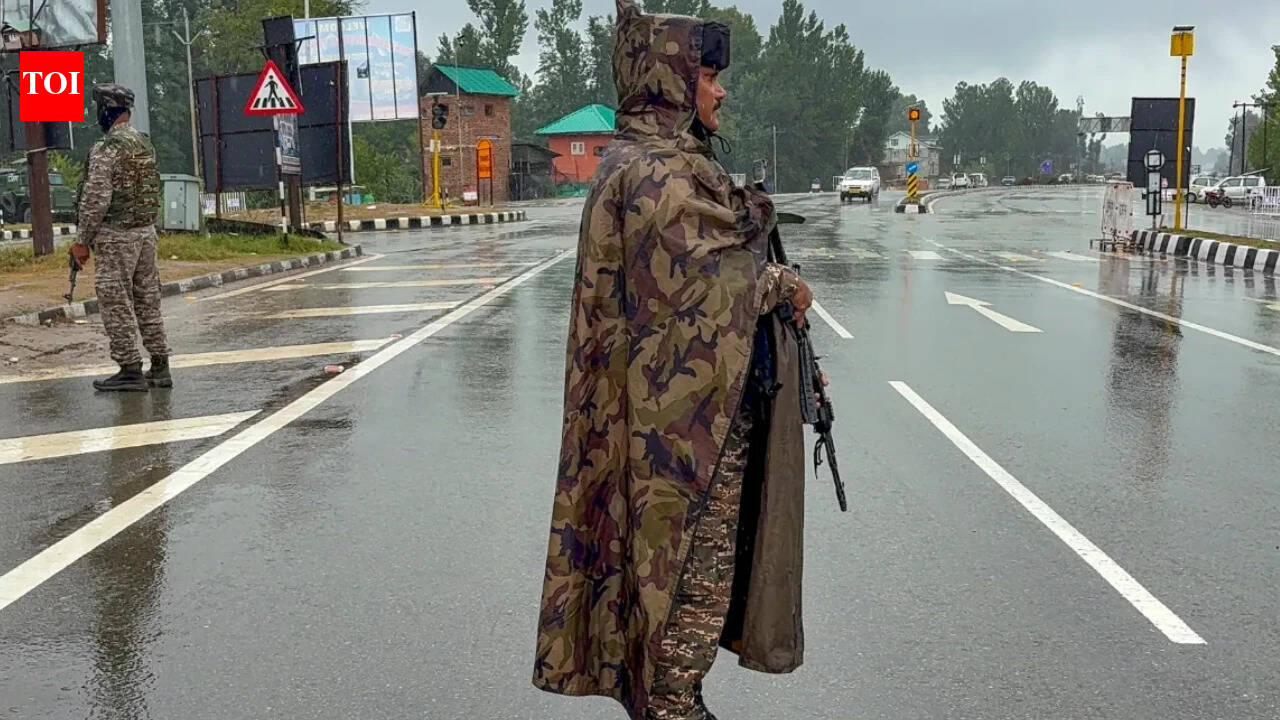
Security forces in Jammu and Kashmir and Manipur have conducted major operations, resulting in the arrest of several terror suspects and militants. These actions target extremist networks involved in arms trafficking, kidnapping, and extortion across these sensitive regions.
Security Operations Target Militancy in J&K and Manipur
Crackdown on Terror Networks in Kashmir
In a significant series of operations, Jammu and Kashmir Police have dealt a substantial blow to regional terror networks. Security forces successfully apprehended eight terror suspects across the districts of Shopian, Pulwama, and Sopore. By seizing caches of arms and ammunition, the authorities have effectively disrupted the logistical capabilities of extremist elements operating within the Union Territory. These operations underscore the ongoing vigilance of security agencies in maintaining stability in the volatile Kashmir Valley.
Addressing Insurgency in Manipur
Simultaneously, in the northeastern state of Manipur, police forces have apprehended six militants linked to the banned United People's Party of Kangleipak (UPPK). The arrests, which took place across Bishnupur, Imphal East, and Imphal West districts, highlight a persistent threat from insurgent groups involved in criminal activities such as kidnapping, extortion, and intimidation. The recovery of 23 UPPK letterheads suggests a structured attempt by the outfit to formalize their extortion operations under the guise of organizational activity.
Complex Challenges in Counter-Insurgency
The involvement of diverse actors, including a state government employee identified as P. Koireng Singh, illustrates the complex nature of internal security threats. When individuals embedded in local government structures are found participating in militant activities, it creates significant hurdles for law enforcement agencies. This dual-threat environment—where traditional militant networks operate alongside individuals exploiting their official positions—requires a multifaceted approach to intelligence gathering and domestic security.
Broader Implications for Regional Stability
These developments reflect the broader strategy of the Indian security apparatus to dismantle the financial and logistical foundations of insurgent groups. In Kashmir, the recovery of arms and ammunition directly limits the potential for violent disruption, while in Manipur, the focus on curbing extortion serves to protect the local economy from predatory insurgent taxation. Both regions remain critical nodes in India’s national security framework, necessitating continuous monitoring of radicalization and organized crime.
Future Trends and Security Outlook
Moving forward, authorities are likely to intensify efforts to track the financing and recruitment pipelines of these banned outfits. The presence of a minor among the Manipur arrestees highlights the concerning trend of youth exploitation by insurgent groups, which will likely prompt a shift in community outreach and de-radicalization policies. As security forces maintain their pressure, the success of these operations will depend on the continued cooperation between local law enforcement and intelligence agencies to preemptively neutralize threats before they escalate into larger systemic challenges.