Taxpayers in waist-deep water: Gurgaon's annual infrastructure betrayal
Source Entity
BIJU MATHEW, IPSITA PATI, NIKHIL SHARMA, BAGISH JHA
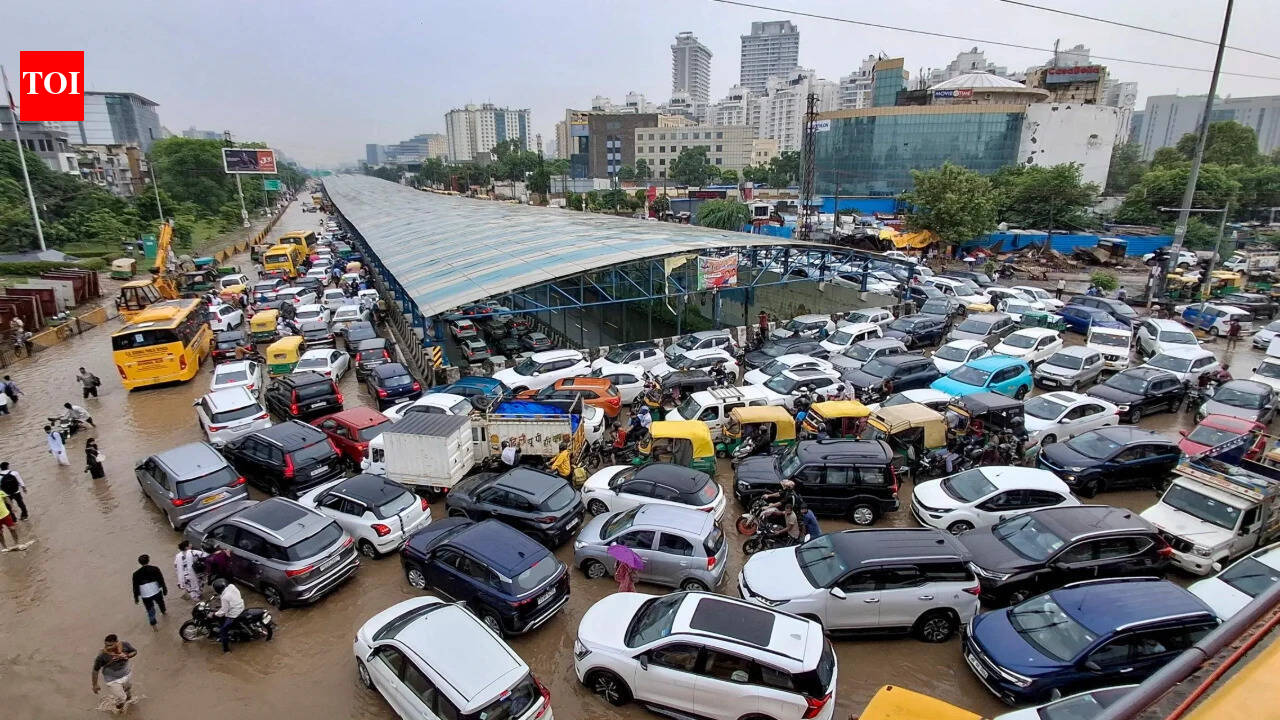
Recent heavy rains in the Delhi-NCR region have led to severe waterlogging, causing major traffic disruptions and school closures. The situation has reignited public frustration, with entrepreneurs questioning the efficacy of civic infrastructure and tax utilization.
The Recurring Crisis: Infrastructure Failure in Delhi-NCR
Recent heavy rainfall across the Delhi-National Capital Region (NCR) has once again exposed the deep-seated vulnerabilities in the region's urban infrastructure. From the affluent residential pockets of Gurgaon to the densely populated neighborhoods of Southeast Delhi like Sangam Vihar, the inability of the drainage systems to handle even moderate downpours has become a persistent, systemic failure. The imagery of schoolgirls wading through waist-deep water in Delhi stands as a stark indictment of the current state of public services, highlighting how extreme weather events disproportionately affect the most vulnerable populations while paralyzing the region's economic hubs.
The Entrepreneurial Perspective: A Call for Accountability
The outcry from a prominent Gurgaon-based founder, who took to social media to highlight the 'Venice-like' flooding outside his residence, reflects a growing sentiment among the city's professional class. Despite the heavy burden of multiple taxes, residents and business leaders are increasingly disillusioned by the lack of visible improvements in civic amenities. The founder’s assertion that such poor infrastructure might drive entrepreneurs to seek opportunities abroad is a significant warning; when the basic quality of life is compromised by recurring urban flooding, the competitive advantage of a city as a business hub is fundamentally undermined.
Systemic Drainage Issues and Urban Planning
Despite ongoing claims of drainage improvements, the recurring traffic jams and waterlogging at key junctions in Gurugram, Noida, and Ghaziabad suggest that current interventions are insufficient. Urban planning in the NCR has often prioritized rapid development over robust, climate-resilient infrastructure. As the region faces more frequent and intense rainfall, the current drainage networks—many of which are outdated or poorly maintained—are unable to keep pace with the rapid urbanization of the area, leading to the scenes of gridlock and submerged roads that have become synonymous with the monsoon season.
The Human and Economic Cost
The impact of these weather events extends far beyond mere inconvenience. The abrupt closure of the MCD primary school in Deoli, which serves nearly 800 children, demonstrates the tangible educational disruption caused by urban flooding. When public institutions are forced to suspend operations because playgrounds remain submerged for an entire day, the cost is measured in lost learning hours and the degradation of public property. Furthermore, the economic toll of stalled logistics, delayed commutes, and the wear and tear on vehicular infrastructure adds a hidden tax on every resident and business operating within the NCR.
Looking Forward: The Need for Structural Reform
To move past this "same story" narrative, municipal authorities must shift focus from superficial fixes to comprehensive, long-term drainage overhauls. This requires not only increased budgetary transparency regarding how tax money is utilized for civic services but also an integrated approach to urban water management. Without a concerted effort to modernize infrastructure and hold local bodies accountable for maintenance, the NCR risks facing a permanent state of urban decay every monsoon, ultimately eroding its status as a premier destination for talent and investment.
Multiple Citing Sources