Meghalaya To Restore Vandalised Netaji, Vivekananda Statues In Shillong
Source Entity
NDTV News Search Records Found 1000
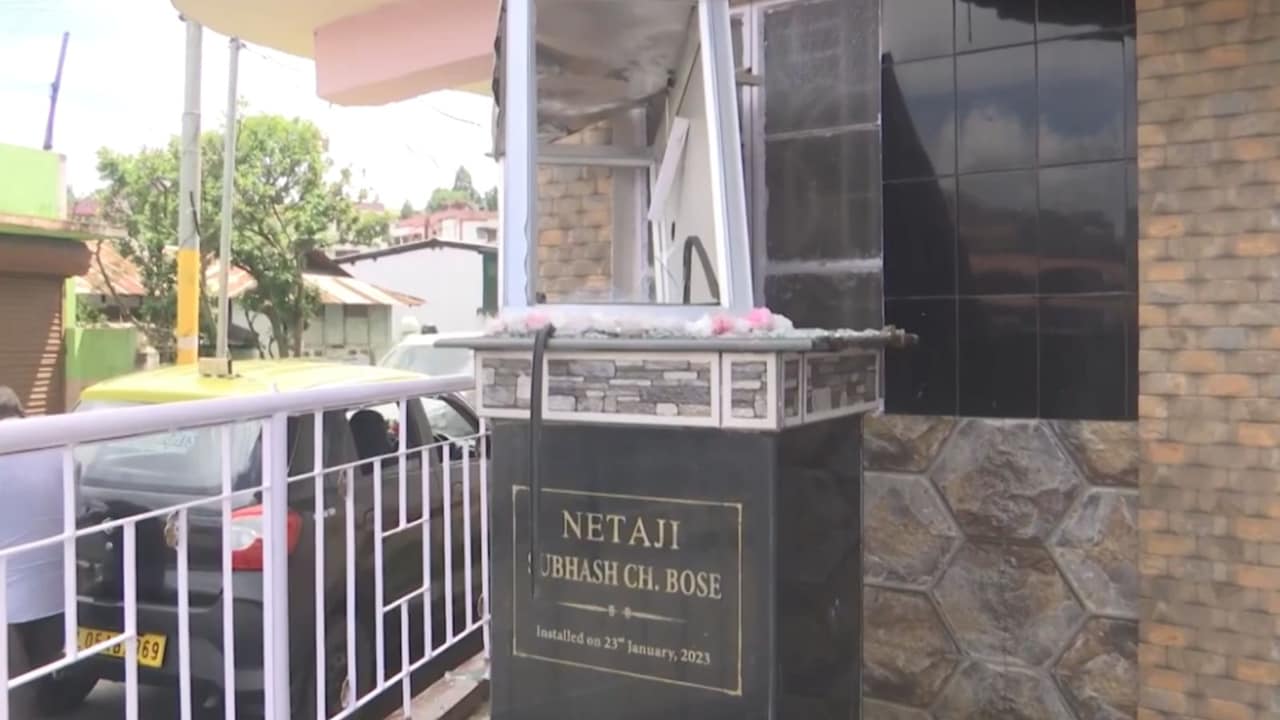
The Meghalaya government has committed to restoring statues of Netaji Subhas Chandra Bose and Swami Vivekananda in Shillong. This decision follows the vandalism of these monuments during a Khasi Student Union rally on August 19.
Restoration of National Icons in Shillong
The Meghalaya state government has officially announced its intention to restore the statues of Netaji Subhas Chandra Bose and Swami Vivekananda, which were damaged during a protest in Shillong. The incident occurred on August 19, when a rally organized by the Khasi Student Union (KSU) resulted in the vandalism of these culturally significant monuments, sparking widespread concern regarding the preservation of public heritage and national figures.
Context of the Vandalism
The act of vandalism took place amidst a public demonstration led by the Khasi Student Union. While the rally was intended to voice specific regional grievances, the destruction of statues representing figures of pan-Indian historical significance has drawn sharp criticism. Netaji Subhas Chandra Bose and Swami Vivekananda are considered pillars of Indian intellectual and revolutionary history, and their presence in the state capital serves as a bridge between regional identity and national heritage.
Government Response and Preservation Efforts
In response to the incident, the Meghalaya administration has prioritized the restoration of these statues to their original state. This move is seen as a necessary step to restore civil order and demonstrate respect for historical figures who are revered across the country. The government's swift commitment aims to mitigate tensions and prevent further discord arising from the destruction of public property.
Broader Implications for Civil Discourse
This event highlights the delicate balance between regional activism and the protection of national symbols. In a diverse nation like India, public protests are a common democratic tool, but the targeting of statues often leads to polarized debates. The restoration process is not merely a physical repair job but a symbolic gesture intended to reaffirm the state's respect for national icons, regardless of the political or social context surrounding regional demonstrations.
Historical and Cultural Significance
Swami Vivekananda and Netaji Subhas Chandra Bose remain central to the Indian identity. By restoring these monuments, the government preserves the visual history of the region. The incident serves as a reminder of the need for peaceful assembly and the importance of safeguarding public spaces that hold collective historical meaning for the citizenry.
Future Outlook
The path forward for Shillong involves healing the communal and political rifts highlighted by this event. By actively repairing the damage, the authorities hope to move past the August 19 incident. Future efforts will likely focus on enhancing security for public monuments and fostering dialogue between student organizations and the administration to ensure that legitimate grievances do not escalate into the destruction of historical property.
Verification Required?