
Passports are now products. When Caribbean nations align their pricing strategies with European Union standards, they create a global auction where the lowest common denominator is the legal requirement for residency. The market is heating up. Borders are blurring. As wealthy individuals seek hedges against domestic volatility, they treat sovereign status as a diversified asset class rather than a lifelong commitment to a single flag. The loyalty is financial.
The New Market Rate
Money buys access. While governments once guarded their borders with xenophobic zeal, they now auction residency permits to the highest bidder to plug holes in their national budgets. The price is rising. Capital flows fast. In Greece, the minimum investment for a Golden Visa recently jumped from 250,000 euros to 800,000 euros in specific high-demand zones (Source: Greek Ministry of Migration, 2024). This change reflects a move toward higher-value applicants. Demand remains steady.
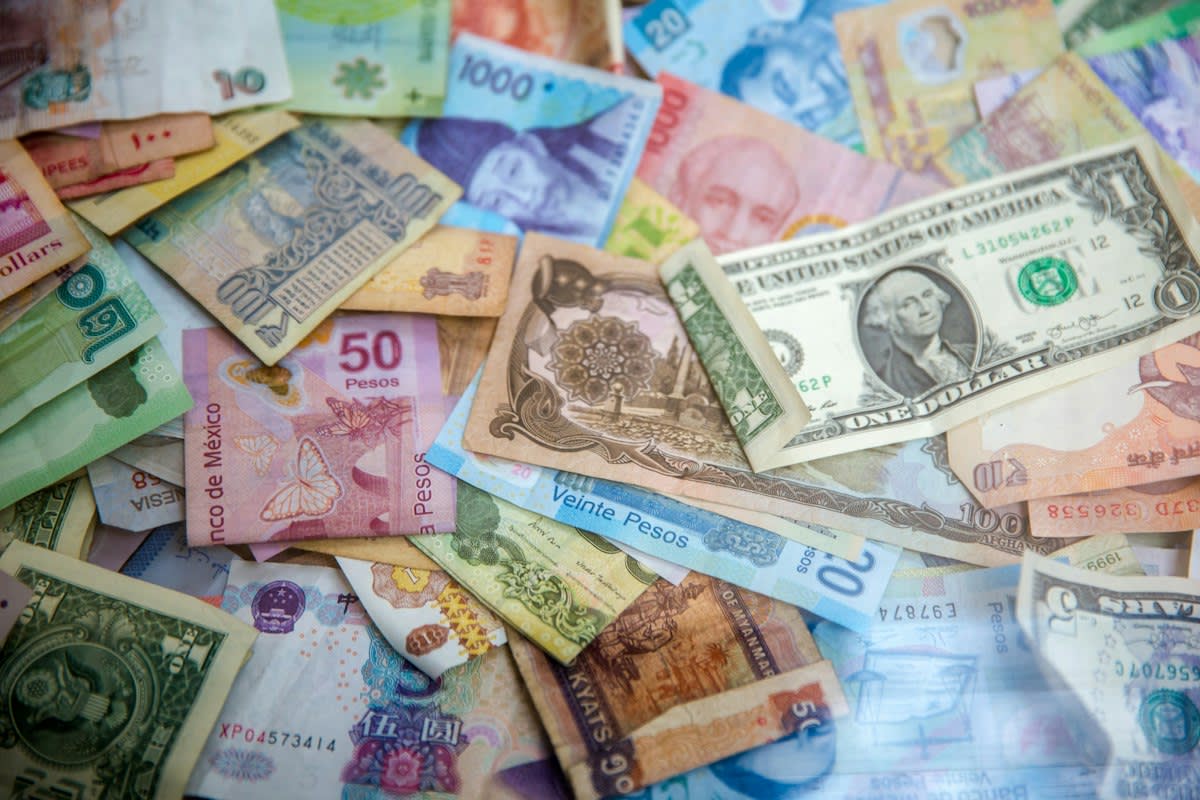
Costs vary wildly. From the Caribbean's rapid-fire processing to the Middle East's long-term strategic plays, the cost of entry reflects the geopolitical weight of the passport. The value is utility. UAE's Golden Visa offers a ten-year residency for investors who commit 2 million dirhams in real estate (Source: UAE Government Portal, 2023). This attracts a specific tier of wealth. The goal is stability.
| Region | Typical Entry Cost | Primary Asset Class | Processing Speed |
|---|---|---|---|
| Caribbean (Avg) | $100k - $200k | Government Donation | 3-6 Months |
| European Union | €250k - €500k | Real Estate/Funds | 12-24 Months |
| Gulf States | $545k+ | Real Estate | 1-3 Months |
The terrain shifts. Because the European Commission has pressured member states to end 'Golden Visas' due to security concerns, investors are moving toward more flexible Asian markets. The flow is eastward. Thailand's Long-Term Resident (LTR) visa targets high-net-worth individuals with a focus on wealth and professional expertise (Source: Thai Board of Investment, 2023). This is a hard turn. It prioritizes skill over simple cash.
"The era of the passive real estate investment is ending. We are seeing a transition toward 'impact capital' where governments demand that residency be tied to job creation or technological transfer rather than just a dormant apartment in Lisbon."— Marcus Thorne, Senior Policy Analyst at Global Migration Watch
Tensions run deep. Inside the industry, a quiet war rages between the due diligence firms and the agents who earn commissions on every successful application. Agents push for speed. Diligence officers demand scrutiny. This clash becomes evident when a high-profile applicant from a sanctioned region attempts to bypass background checks through a shell company in the Seychelles. The risk is high. Truth is expensive.
The Delta: 2023 vs 2024
Rules are changing. Twelve months ago, the primary goal for most investors was simply the acquisition of a second passport for travel ease. Now, the focus is survival. Global tax volatility has made residency a tool for fiscal optimization rather than just a luxury (Source: OECD Tax Reports, 2023). This is a new playbook. The strategy is defensive.
Numbers prove it. Application volumes for Caribbean CBI programs saw a 15% increase in early 2024 compared to the same period in 2023 (Source: Caribbean Investment Migration Association, 2024). Wealth is migrating. This surge follows the tightening of EU regulations. The vacuum is filled. Capital finds the path of least resistance.

Requirements are evolving. While 2023 was the year of the real estate bubble in residency programs, 2024 is the year of the venture fund. Governments now prefer investments in local startups or green energy over empty condos. The demand is utility. This ensures the capital actually enters the local economy. The effect is tangible.
Fact-Check & Accuracy Note
Verify these trends via the OECD's Common Reporting Standard (CRS) and the European Commission's reports on the 'Golden Visa' schemes. There is an ongoing academic debate regarding whether these programs actually stimulate long-term economic growth or merely create artificial real estate bubbles in urban centers.
Risk is managed. Investors no longer trust a single jurisdiction to protect their assets or their freedom. They build a web of residencies across three or four continents to ensure a default exit strategy. This is the new normal. Sovereignty is now a subscription service. The fee is steep.
Editorial Note
This report focuses on the intersection of capital and sovereignty. It avoids the moral debate on the 'sale' of citizenship to focus strictly on the economic mechanics and the current delta in market requirements.
Adaptation is key. Those who held onto legacy real estate permits are finding their status precarious as laws change overnight. The smart money moves into liquid assets. This ensures a faster exit if the political wind shifts. The game is speed. Stability is a myth.