Diljit says attempts made to stop his Indore concert, recites ‘kisi ke baap ka Hindostan thodi hai’
Source Entity
India Latest News: Top National Headlines Today & Breaking News | The Hindu
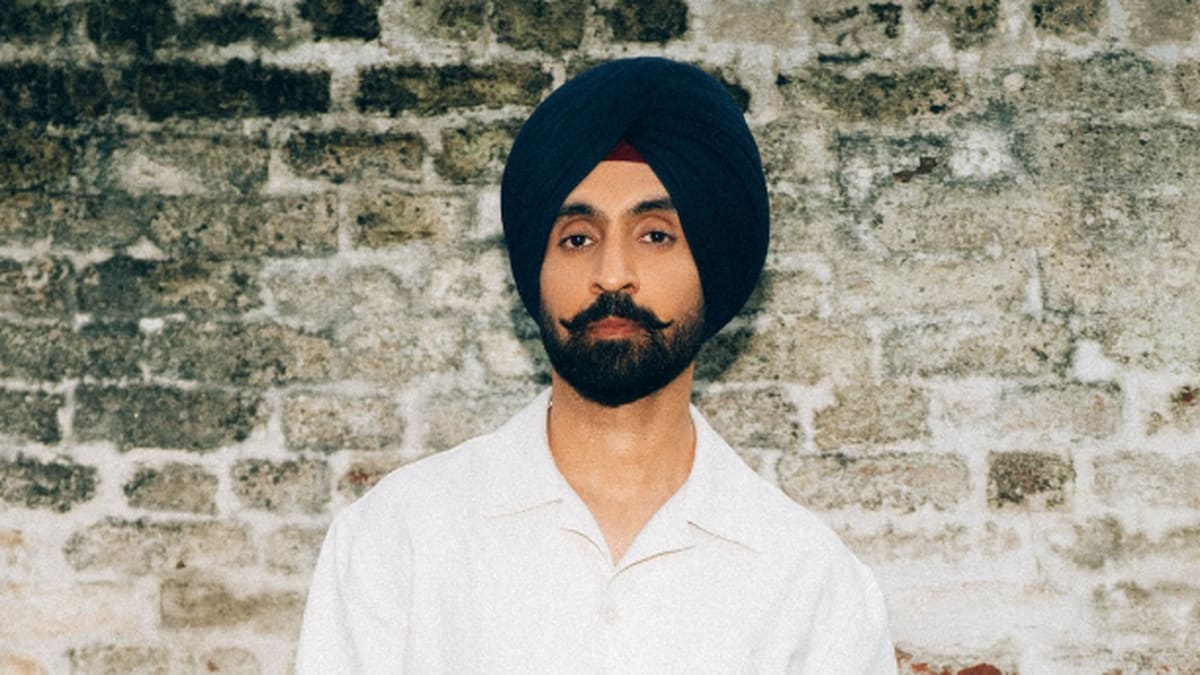
Diljit Dosanjh successfully performed his Aura India Tour 2026 concert in Indore despite facing bomb threats and song restrictions. The artist defied opposition by quoting late poet Rahat Indori, asserting his artistic freedom against those attempting to control his performance.
Defiance on Stage: Diljit Dosanjh’s Triumphant Indore Concert
A Stand for Artistic Freedom
In a powerful display of resilience, Punjabi superstar Diljit Dosanjh successfully kicked off the Indore leg of his Aura India Tour 2026. The concert, held at the Delight Dastoor ground, took place under a cloud of uncertainty, marked by bomb threats and significant political opposition. Despite these hurdles, Dosanjh chose to prioritize his connection with his fans, turning a potentially volatile situation into a bold statement regarding artistic expression and creative autonomy.
Navigating Threats and Hoaxes
The lead-up to the event was fraught with tension, as authorities dealt with emailed bomb threats aimed at disrupting the performance. While these were eventually confirmed as hoaxes, the psychological impact on organizers and concert-goers was palpable. Dosanjh’s decision to proceed despite these security concerns underscores a growing trend in the entertainment industry where high-profile artists are increasingly forced to navigate the intersection of public safety, political pressure, and the right to perform.
The Power of Poetry and Protest
During the performance, Dosanjh addressed the restrictions imposed on his setlist, which reportedly forbade him from singing certain songs. In a direct retort to his critics, he invoked the legendary local poet Rahat Indori, reciting the iconic couplet: “Kisi ke baap ka Hindostan thodi hai” (India does not belong to anyone’s father). By utilizing the words of a local icon, Dosanjh effectively bridged the gap between his Punjabi roots and the cultural landscape of Indore, framing his struggle as a defense of the democratic right to free speech.
Challenging Cultural Policing
Dosanjh’s critique of the “Ye nahi gana hai, vo nahi gana hai” (You can’t sing this, you can’t sing that) narrative highlights the increasing scrutiny artists face regarding their lyrical content. This confrontation reflects a broader societal debate about who holds the authority to dictate cultural consumption. By openly defying these constraints, the artist positioned himself not just as a performer, but as a figure of resistance against institutionalized censorship.
Bridging Communal Harmony
Notably, the concert was not defined solely by conflict. In an attempt to foster unity, Dosanjh opened the show by asking the audience to chant ‘Jai Shri Mahakal,’ a nod to the religious sentiments of the local Indore population. This gesture, juxtaposed with his defiant stance against political interference, suggests a complex strategy of balancing cultural respect with an unwavering commitment to his artistic integrity.
Future Implications for Touring
The success of the Indore concert despite intense opposition sets a significant precedent for the remainder of the Aura India Tour. It signals that artists are becoming increasingly vocal about the pressures they face from external groups. As touring becomes a primary revenue stream for global artists, the ability of organizers to manage political and security threats while maintaining the artist's creative vision will likely become a critical factor in the success of future large-scale musical events in India.
Multiple Citing Sources
Verification Required?