P. Viswanathan and Selvaperunthagai spar over comments on T.N.’s law and order situation
Source Entity
India Latest News: Top National Headlines Today & Breaking News | The Hindu
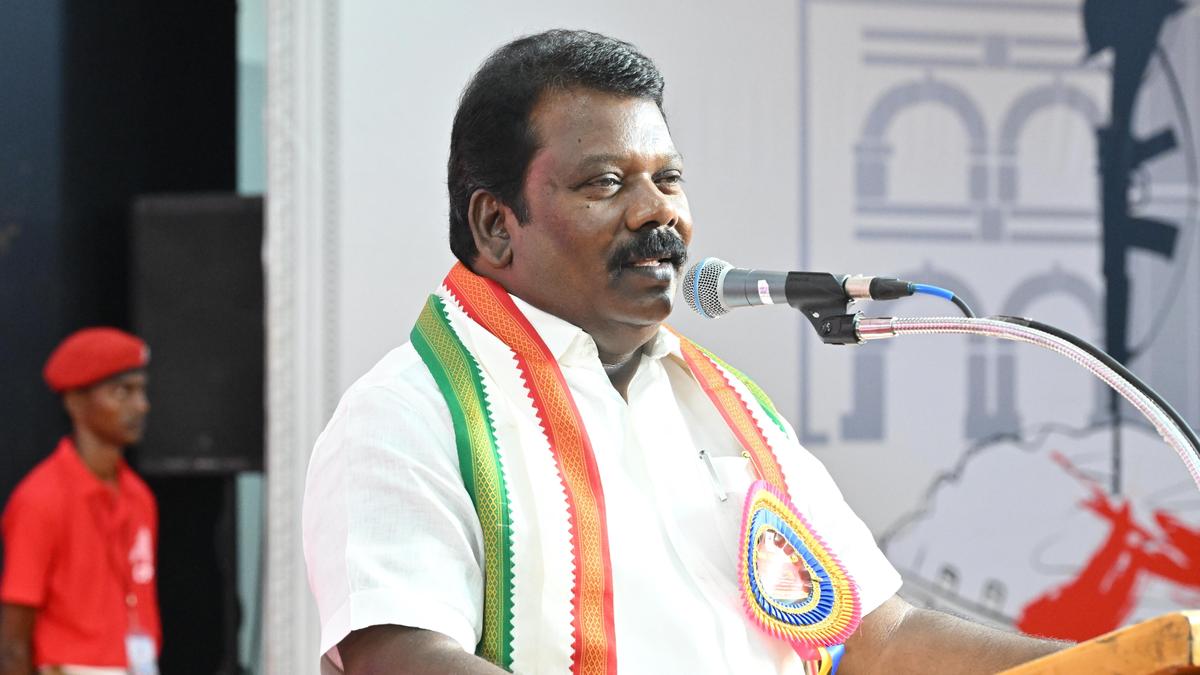
Former TNCC president K. Selvaperunthagai and Minister P. Viswanathan have clashed over Tamil Nadu's law and order situation. The dispute centers on the performance of the TVK-led government and criticisms regarding recent local incidents.
Political Friction in Tamil Nadu: An Analysis of the Selvaperunthagai-Viswanathan Debate
The recent verbal sparring between former Tamil Nadu Congress Committee (TNCC) president K. Selvaperunthagai and State Higher Education Minister P. Viswanathan marks a significant escalation in the state’s political discourse. At the heart of this conflict is a fundamental disagreement over the efficacy of the current administration, specifically the TVK-led government under Chief Minister C. Joseph Vijay. This public disagreement highlights the growing pressure on the new administration to reconcile its cinematic public image with the complexities of governance.
The Intersection of Cinema and Governance
K. Selvaperunthagai’s critique specifically targeted the disconnect between the persona of Chief Minister C. Joseph Vijay and the reality of his administration’s performance. By suggesting that the "dialogues spoken" in films do not translate to real-world policy, Selvaperunthagai is tapping into a common skepticism regarding celebrity-turned-politicians. This narrative posits that the administrative challenges of Tamil Nadu require pragmatic legislative action rather than the performative nature often associated with the film industry, setting a difficult benchmark for the TVK-led government.
Specific Allegations and Law Enforcement Concerns
Beyond general political rhetoric, the criticism focused on specific, tangible failures in law and order. Selvaperunthagai explicitly cited the disappearance of a girl in Gingee and unresolved incidents that occurred during the Deepavali festival. These references serve as concrete focal points for the opposition, transforming abstract claims of "unsatisfactory" governance into specific demands for accountability. The mention of a "White Paper" indicates a desire for transparency regarding how the state manages its security apparatus and administrative responsibilities.
The Defensive Stance of the Administration
Minister P. Viswanathan’s response—questioning the political loyalty and future affiliations of Selvaperunthagai—is a classic diversionary tactic in political warfare. By shifting the focus from the substance of the law and order critique to the potential party-hopping of his opponent, the Minister aims to delegitimize the criticism itself. This exchange illustrates the defensive posture currently adopted by the state government as it faces scrutiny over its initial six-month tenure.
Broader Implications and Future Trends
This confrontation signals a period of increasing volatility in Tamil Nadu politics. As the TVK-led government attempts to solidify its standing, it will likely face continued pressure from traditional political entities like the Congress, who are eager to highlight gaps in administrative performance. The demand for a White Paper on law and order suggests that future political discourse will likely center on transparency, accountability, and the ability of the Chief Minister to separate his cinematic legacy from his executive duties.
Conclusion
The clash between P. Viswanathan and K. Selvaperunthagai is more than a mere personal disagreement; it is a manifestation of the growing tension between populist political appeal and the grim realities of public safety. As the state moves forward, the administration’s ability to address specific grievances, such as the Gingee case and festive period disturbances, will be critical in determining whether they can maintain public trust beyond the initial novelty of their leadership.
Verification Required?