Kishtwar BJP leader questions Shagun Parihar’s mosque claim, Muslim body seeks public apology
Source Entity
KANCHAN YADAV
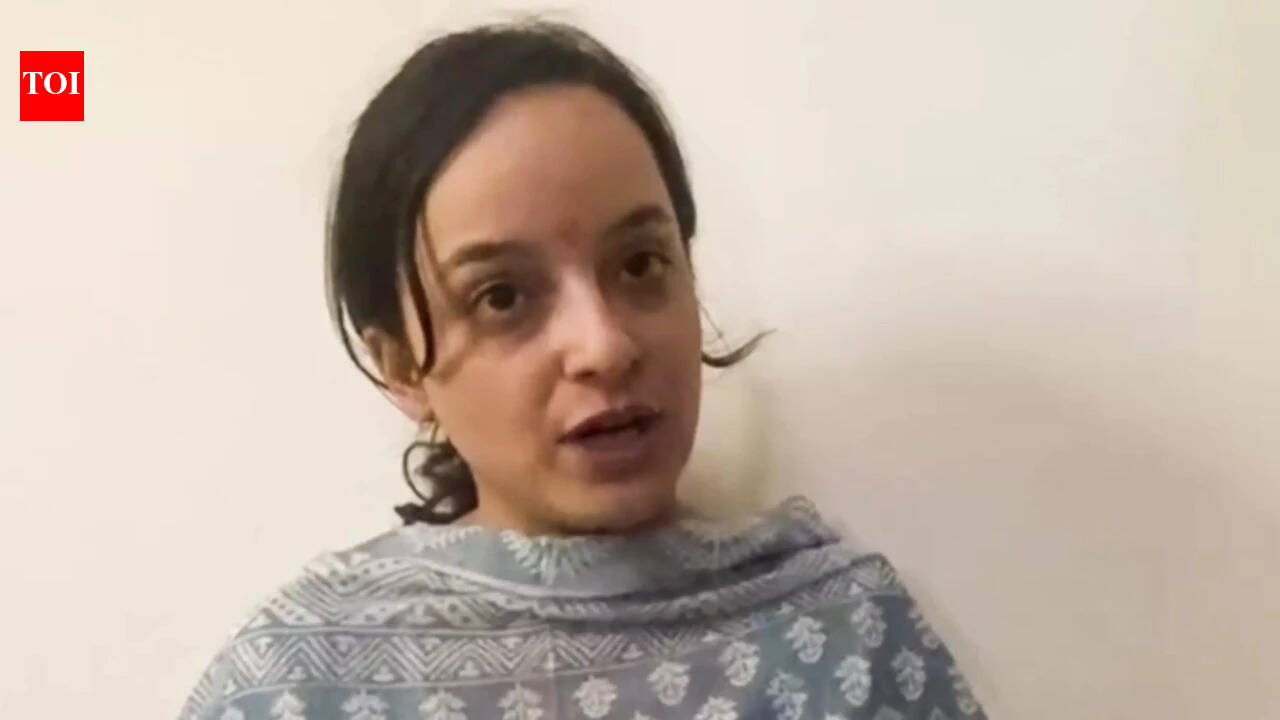
BJP leader Jahanzaib Sirwal and the Islami Markaz-e-Majlis Shura have challenged MLA Shagun Parihar's claim regarding mosque involvement in a recent attack on SPOs in Kishtwar. The incident has sparked a local controversy, with demands for an apology to prevent communal discord.
Internal Tensions Within the Kishtwar BJP
A significant political rift has emerged within the Bharatiya Janata Party (BJP) in Kishtwar following a controversial statement made by MLA Shagun Parihar. Parihar had alleged that announcements were made from a local mosque preceding the tragic killing of two Special Police Officers (SPOs) in the Dachhan area. This claim, which links a religious institution directly to an act of militancy, has drawn sharp criticism not only from community leaders but also from within her own party ranks.
The Internal Dissent
Jahanzaib Sirwal, a BJP leader from Kishtwar, publicly challenged the veracity of the MLA's statement. Labeling the allegations as "deeply unfortunate and factually unsubstantiated," Sirwal’s intervention highlights a rare moment of public dissent within the party hierarchy. By distancing himself from these claims, Sirwal appears to be prioritizing local communal harmony and evidence-based discourse over the inflammatory rhetoric often utilized in regional political campaigns.
Religious Leadership Response
The Islami Markaz-e-Majlis Shura, led by Jamia Masjid Imam Maulana Farooq Ahmad Kichloo, has issued a categorical rejection of the MLA's claims. By categorizing the statements as baseless, the organization has taken a defensive posture to protect the reputation of local religious institutions. Their demand for a public apology underscores the severity of the accusation, which they argue risks inciting communal tensions in a region historically sensitive to religious friction.
Broader Implications for Regional Stability
The incident serves as a microcosm of the challenges inherent in political communication within conflict-prone zones like Kishtwar. When political figures attribute acts of violence to specific religious sites without empirical evidence, the potential for social fragmentation increases significantly. The immediate pushback from both internal party members and civil society organizations suggests a strong local desire to prevent the instrumentalization of religious spaces for political gain.
Historical Context and Future Trends
Kishtwar has frequently been a focal point for communal sensitivity, and the political climate remains volatile. The swift reaction from the Islami Markaz-e-Majlis Shura indicates that religious leaders are increasingly proactive in curbing narratives that could lead to law and order problems. Moving forward, the trend suggests that political candidates will face heightened scrutiny from their own ranks and the public regarding the factual accuracy of their security-related claims, as local stakeholders become less tolerant of unsubstantiated accusations that threaten fragile peace efforts.