BMLTA Amendment notified: Tunnel Roads, Elevated Corridors to evade institutional scrutiny
Source Entity
India Latest News: Top National Headlines Today & Breaking News | The Hindu
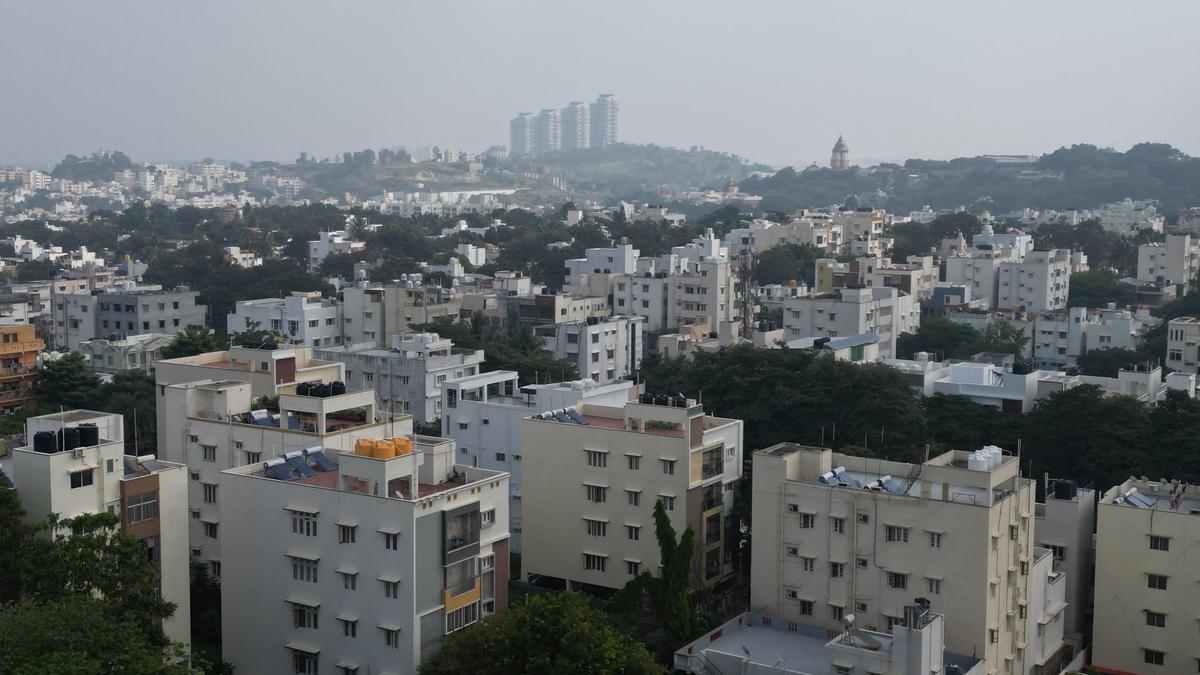
The Karnataka government has notified the BMLTA (Amendment) Act, 2026, effectively shielding major infrastructure projects from 2022-2026 from regulatory oversight. This move has sparked public criticism over the lack of transparency in planned tunnel roads and elevated corridors.
The BMLTA Amendment: A Shift in Bengaluru's Infrastructure Governance
The recent notification of the Bengaluru Metropolitan Land Transport Authority (Amendment) Act, 2026, marks a significant turning point in how infrastructure projects are managed within Karnataka's capital. By operationalizing the BMLTA rules in mid-2026, the state government has set a new framework for urban planning. However, the inclusion of the amendment to Section 19(5) has drawn intense public scrutiny, as it retroactively validates controversial projects—such as tunnel roads and elevated corridors—initiated during the four-year gap between the Act's initial 2022 adoption and its recent rule notification.
The Impact of Retroactive Validation
At the heart of the controversy is the legal shield provided by the amendment. By declaring that decisions, plans, and operations undertaken between 2022 and mid-2026 are deemed to have been executed under the BMLTA framework, the government has essentially bypassed the rigorous institutional scrutiny that the original Act was designed to provide. This retrospective clause effectively sanitizes past administrative decisions, removing the possibility of legal or expert-led challenges regarding the feasibility or environmental impact of these major transport initiatives.
Bypassing Institutional Oversight
Institutional oversight serves as a vital check and balance in urban development, ensuring that projects like elevated corridors align with long-term mobility goals and environmental sustainability. By circumventing this process, the current administration has signaled a priority for rapid project execution over consensus-building. Critics argue that this lack of transparency undermines the very purpose of the BMLTA, which was established to serve as an integrated authority for urban transport, rather than a rubber-stamp body for pre-determined infrastructure plans.
Infrastructure and Public Trust
Bengaluru, a city grappling with severe traffic congestion and complex logistical challenges, requires robust planning mechanisms. The decision to shield controversial projects from scrutiny risks deepening the divide between the administration and the public. When large-scale projects like tunnel roads are pushed through without the standard checks, it raises fundamental questions about accountability. The public's skepticism is rooted in a desire for data-driven, sustainable urban expansion that accounts for the city's unique ecological and demographic constraints.
Future Implications for Urban Planning
Looking ahead, this amendment sets a concerning precedent for future governance. If major infrastructure decisions can be retroactively validated, it may weaken the authority of future planning bodies and discourage independent technical reviews. As Bengaluru continues to expand, the long-term success of its transport infrastructure will depend on restoring faith in the regulatory process. Without a transparent mechanism to vet these projects, the city may face persistent challenges regarding cost-overruns, environmental degradation, and public opposition that could stall development in the long run.
Conclusion
In summary, the BMLTA (Amendment) Act, 2026, represents a strategic but contentious consolidation of executive power over urban development in Bengaluru. While the government aims to accelerate project timelines, the cost of doing so through the retroactive validation of past decisions may be a significant erosion of transparency. Moving forward, balancing the need for rapid infrastructure growth with the necessity of rigorous, institutionalized oversight will be the defining challenge for the city's planners and policymakers.
Verification Required?