A 30-year-old power dispute, and a political prize for Himachal CM Sukhu
Source Entity
Saurabh Parashar
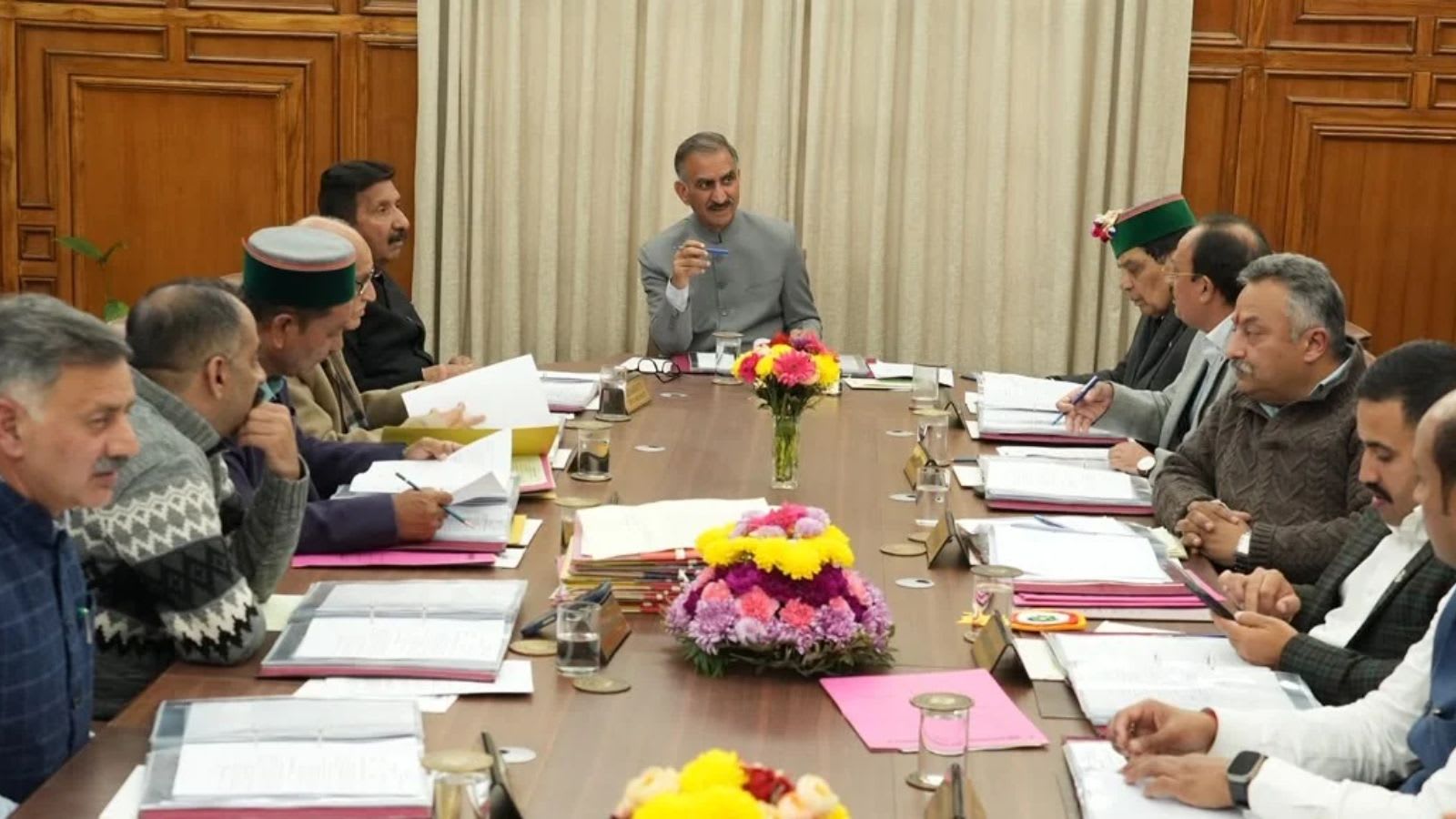
The Supreme Court has resolved a 30-year-old power-sharing dispute, mandating that Punjab and Haryana supply 11,973 million units of electricity to Himachal Pradesh. This verdict marks a significant political victory for CM Sukhvinder Singh Sukhu, though it remains a subject of debate between the ruling party and the BJP.
A Landmark Resolution in North Indian Power Politics
On November 6, the Supreme Court of India delivered a definitive verdict, concluding a complex, three-decade-old legal battle regarding water and power-sharing rights between the state of Himachal Pradesh and its neighbors: Punjab, Haryana, Rajasthan, and the Union Territory of Chandigarh. The dispute centered on the equitable distribution of power generated from the critical Bhakra-Nangal and Beas projects, which have been central to the infrastructure and development of North India for decades.
The Mechanics of the Supreme Court Mandate
The judicial intervention mandates that Punjab and Haryana must supply 11,973 million units of electricity to Himachal Pradesh. This allocation is structured according to specific ratios: 58:42 for the Bhakra-Nangal project and 60:40 for the Beas project. The Bhakra Beas Management Board (BBMB), the statutory authority responsible for the operation and maintenance of these massive hydroelectric facilities, oversees an annual output of approximately 14,000 million units. This ruling effectively reconfigures the energy landscape of the region, ensuring that Himachal Pradesh receives its long-contested share of power.
Political Implications for CM Sukhu
For Himachal Pradesh Chief Minister Sukhvinder Singh Sukhu, this judgment represents a significant political achievement. By securing a favorable outcome in a dispute that has languished in the courts for thirty years, the Sukhu administration has successfully positioned this victory as a testament to their government's persistent legal and administrative efforts. The ability to secure such a massive infusion of power units is expected to provide a substantial boost to the state’s energy autonomy and economic planning, directly impacting the lives of its citizens.
The Opposition and Continued Discourse
While the verdict has been welcomed as a win for the state, the political landscape remains nuanced. The Opposition BJP, while acknowledging the significance of the SC decision, has moved to challenge the narrative surrounding the victory. This indicates that even with a legal resolution, the issue of credit-taking and the historical handling of the dispute will likely remain a flashpoint in Himachal Pradesh’s political discourse as parties vie for public favor.
Historical Context and Future Outlook
This dispute has been a long-standing point of friction between the Himalayan state and the plains-based states of Punjab and Haryana. As the BBMB continues to manage these vital resources, the Supreme Court's clear-cut directive provides a much-needed framework for future cooperation. Moving forward, the implementation of this order will be critical; the logistics of transferring 11,973 million units will require meticulous coordination by the BBMB, potentially setting a new precedent for how interstate power-sharing agreements are managed and enforced in India.
Conclusion
The resolution of this thirty-year conflict marks a turning point for Himachal Pradesh’s energy security. By settling the ratios for the Bhakra-Nangal and Beas projects, the Supreme Court has provided a sense of finality to a contentious chapter in regional governance. As the state moves toward integrating this power into its grid, the focus will now shift to how this resource can be leveraged to drive sustainable growth and address the long-term energy needs of the region.