Iran Claims Tanker With 2 Million Barrels Of Oil Sank In Strait Of Hormuz
Source Entity
NDTV News Search Records Found 1000
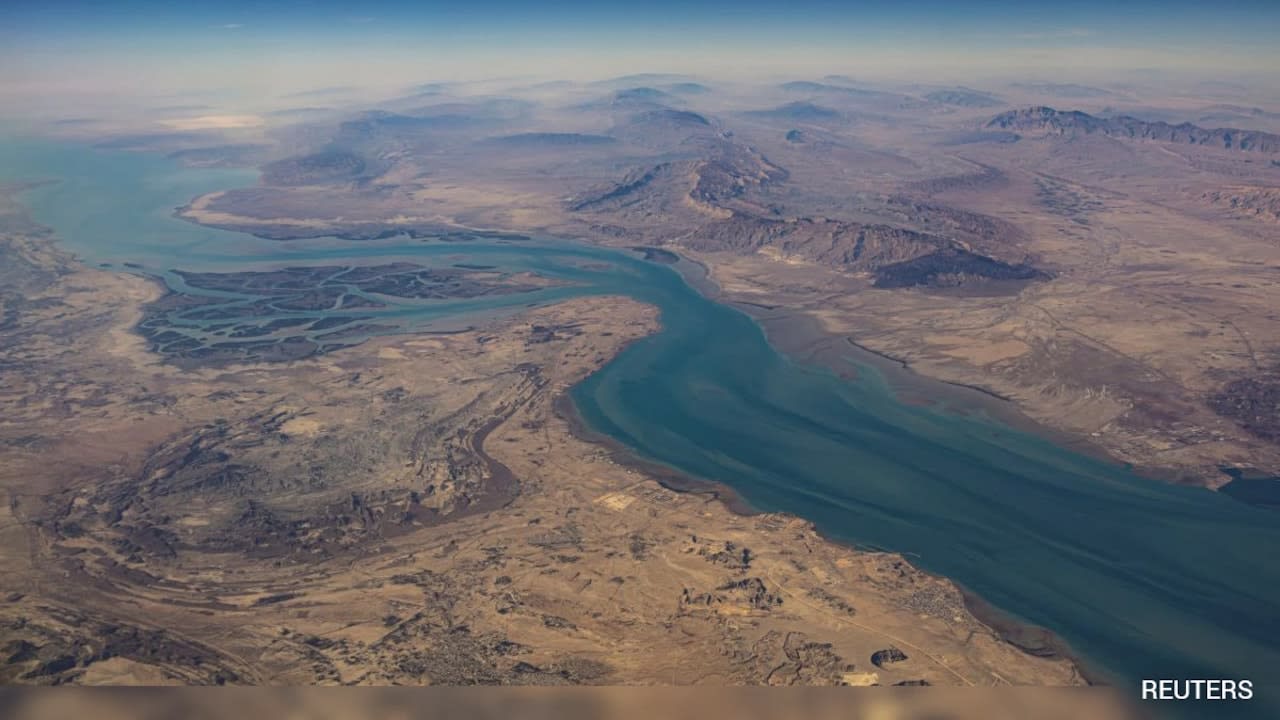
Iran has reported the sinking of a tanker carrying 2 million barrels of oil in the Strait of Hormuz. This development follows recent US assertions that they had successfully cleared mines from key maritime routes in the area.
The Sinking Incident in the Strait of Hormuz
Recent reports indicate that an oil tanker carrying approximately 2 million barrels of crude oil has sunk within the Strait of Hormuz. This incident represents a significant maritime event in one of the world's most critical energy chokepoints. The loss of such a substantial volume of oil not only poses an immediate environmental hazard but also introduces complex geopolitical variables into a region already characterized by high tensions and strategic posturing.
Contradictory Security Narratives
The timing of this sinking is particularly notable given the recent claims by the United States that it had successfully cleared all naval mines from the primary shipping lanes within the Strait. By asserting that the main routes were secured, the U.S. had signaled a return to safer navigation for international commerce. The sinking, therefore, creates a narrative friction: does this incident suggest a failure in those clearing operations, or does it point to an entirely different set of maritime risks that remain unaddressed?
Geopolitical Implications of the Strait
The Strait of Hormuz is a vital conduit for global oil transit, through which a significant percentage of the world's daily petroleum consumption flows. Any disruption, whether accidental or incident-driven, immediately impacts global energy markets. The presence of millions of barrels of crude oil underwater presents a logistical nightmare for international authorities, requiring urgent coordination to prevent catastrophic ecological damage to the Persian Gulf's marine ecosystems.
Maritime Security and Navigational Risks
Historically, the Strait has been a theater for 'tanker wars' and various forms of asymmetric maritime conflict. The U.S. efforts to demine the area were intended to stabilize shipping and reassure global markets. However, the sinking of a vessel with such a massive payload highlights the persistent vulnerability of commercial shipping. Whether the sinking was caused by residual hazards, a structural failure, or other factors, it underscores that 'cleared' routes do not necessarily equate to 'risk-free' environments.
Future Trends and Market Volatility
Moving forward, the international community will likely scrutinize the cause of this sinking with intense interest. If investigations suggest that the incident was preventable or related to regional security gaps, we can expect increased calls for enhanced international naval cooperation. Furthermore, energy markets may react with volatility as traders assess the impact of this loss on supply chains and the potential for increased insurance premiums for vessels traversing the Strait.
Conclusion
In summary, the sinking of this tanker serves as a stark reminder of the fragile nature of maritime security in the Middle East. While the U.S. has taken steps to clear mines from primary routes, the occurrence of such a significant accident suggests that the challenges in the Strait of Hormuz remain multifaceted. Moving forward, transparent communication and rigorous safety standards will be essential to maintaining the flow of global energy resources through this critical corridor.
Verification Required?