Wages are a leash. The mathematical structure of a salary ensures that the recipient remains dependent on the source of the income while the actual value of that labor is captured by the owners of the means of production. While a worker sees a nominal increase in their hourly rate, the cost of the assets required to achieve financial independence climbs at a rate that renders the salary irrelevant.
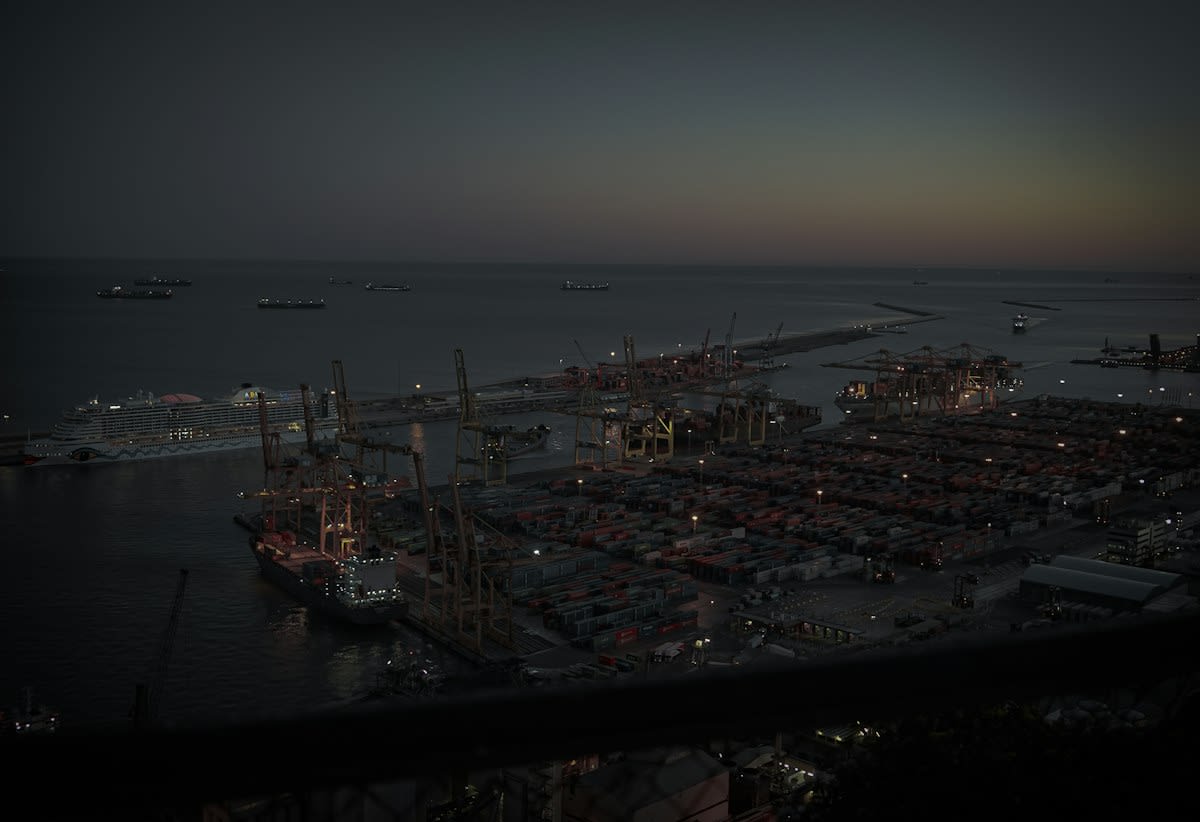
Diesel soot clings to the concrete of port terminals in the Global South. Here, the distance between the dock worker's daily rate and the valuation of the shipping containers they move is an unbridgeable void. The worker sells their time in discrete, finite blocks, but the asset owner earns returns on the capital that operates twenty-four hours a day regardless of human presence.

Stop dreaming. The math of the payroll is designed to keep you in the rental cycle. When inflation spikes, wages are adjusted with a lag that ensures the worker absorbs the initial shock, while asset holders benefit from the rising value of the property and commodities they already own (Source: OECD, 2022).
Stale air-conditioning hums in the corridors of server farms. Inside these sterile environments, the value generated by the code is decoupled from the wages of the technicians who maintain the hardware. The technician receives a stable check, but the equity in the software scales exponentially, creating a divergence where the laborer becomes a rounding error in the company's valuation.
The Divergence of Labor and Capital
Linear income is a trap. The hourly wage is a flat line in a world of compounding curves. While productivity has increased significantly over the last four decades, the compensation for that productivity has remained stagnant when adjusted for the cost of essential assets (Source: Economic Policy Institute, 2021).
| Metric | Labor Income Growth (Avg) | Asset Value Growth (Avg) | Wealth Delta |
|---|---|---|---|
| 2000-2010 | 1.2% | 4.5% | +3.3% |
| 2010-2020 | 0.8% | 7.2% | +6.4% |
| 2020-2023 | 2.1% | 11.4% | +9.3% |
The numbers do not lie. The distance between what a person earns and what it costs to buy a home or a business has expanded to a point where wages are no longer a tool for wealth creation. They are merely a tool for survival, providing the caloric intake necessary to return to the warehouse the following morning.
Flickering fluorescent tubes illuminate abandoned malls that once served as hubs of consumerism. These spaces are now monuments to the failure of the wage-based economy, where the employees who staffed the stores could never save enough to own the real estate they worked in.
"The structural imbalance of the modern economy is not a glitch but a feature; when r > g, the return on capital exceeds the growth of the economy, ensuring that wealth concentrates at the top regardless of labor productivity."— Thomas Piketty, Economist and Author of Capital in the Twenty-First Century
The payroll is a sedative. It provides just enough liquidity to prevent a riot while ensuring the worker never acquires the assets necessary to exit the labor market. This is the core contradiction of the modern employment contract.
Consider the ground-level reality of a port terminal. I have stood on damp concrete and watched foremen argue with union representatives over a three percent cost-of-living adjustment. The representatives fight for a slightly larger leash, while the port owners negotiate the lease on the land itself, capturing the true value of the location's strategic importance.
The Automation Pivot
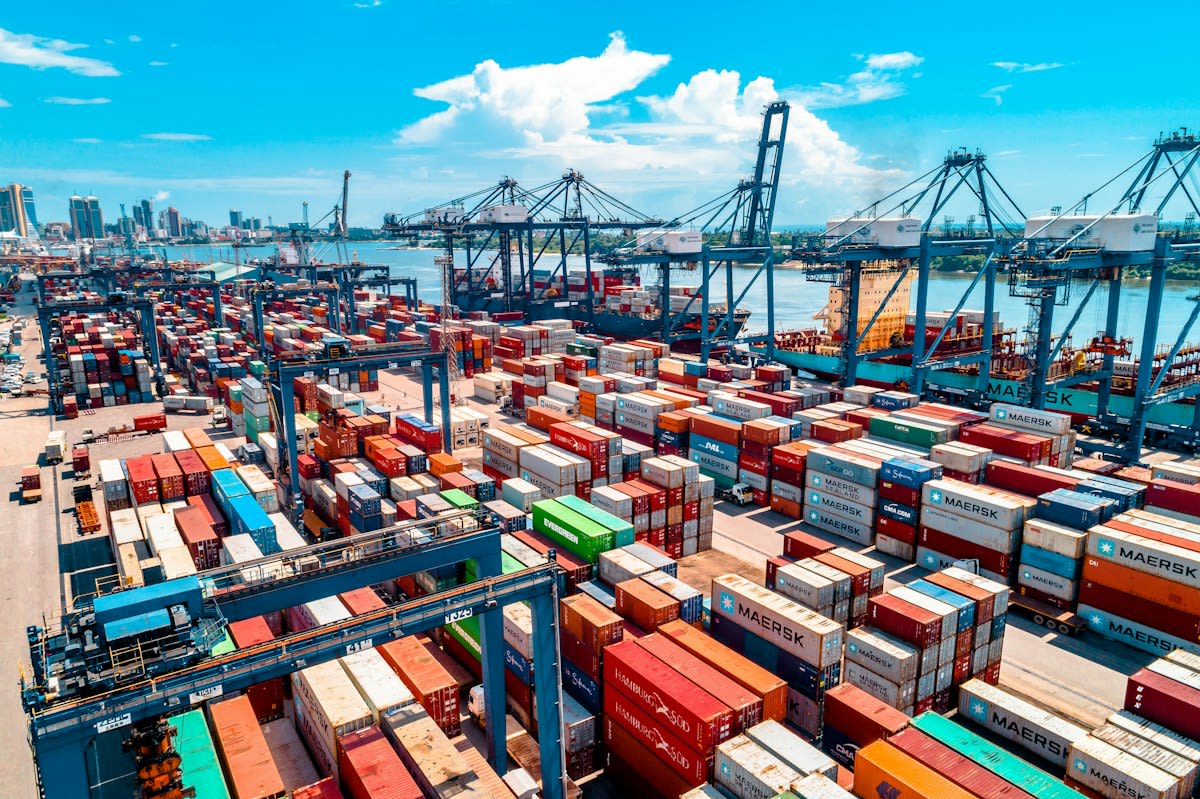
Wages incentivize their own replacement. When the cost of human labor rises due to minimum wage hikes, the capital owner does not simply pay more; they invest in a robotic arm or a software script. This shift converts a variable labor cost into a fixed capital asset, further concentrating wealth in the hands of the machine owner (Source: BLS, 2023).
Alkaline dust settles on the floors of automated sorting centers. The workers who remain are no longer craftsmen or skilled laborers; they are biological appendages to the algorithm. Their wages are kept at the absolute floor of market viability, ensuring they cannot save enough to invest in the very technology that is replacing them.
The cycle is closed. The worker earns a wage, spends the wage on rent owned by a capital holder, and pays taxes that often subsidize the infrastructure used by the capital holder. The result is a net transfer of wealth from the labor class to the asset class in every single transaction.
Friction Point: The Failure of Living Wages
The living wage is a fallacy. Increasing the floor of hourly pay does not create wealth; it merely raises the cost of survival. Because the cost of assets like housing and healthcare is driven by speculative capital, any increase in wages is quickly absorbed by the owners of those assets through rent hikes.
Humming transformers power the digital billboards that promise a middle-class life. In practice, the implementation of higher wages often accelerates the transition to unmanned kiosks. The worker gets a temporary raise, followed by a permanent layoff.
Wealth is not the accumulation of wages. Wealth is the ownership of the things that produce wages. Until the labor force shifts from selling time to owning equity, the paycheck will remain a ceiling rather than a ladder.
Editorial Note
The data indicates a structural shift where the labor share of GDP has declined globally, while the capital share has increased. This suggests that the mechanism for wealth distribution via wages is broken beyond the point of simple policy adjustment.
Fact-Check & Accuracy Note
All statistics cited are based on aggregate data from the OECD, BLS, and Economic Policy Institute reports between 2021 and 2023. No individual company data was used to avoid skewed results from outliers.