Trump ‘very seriously’ considering diesel export ban as global supply crunch worsens
Source Entity
US Top News and Analysis
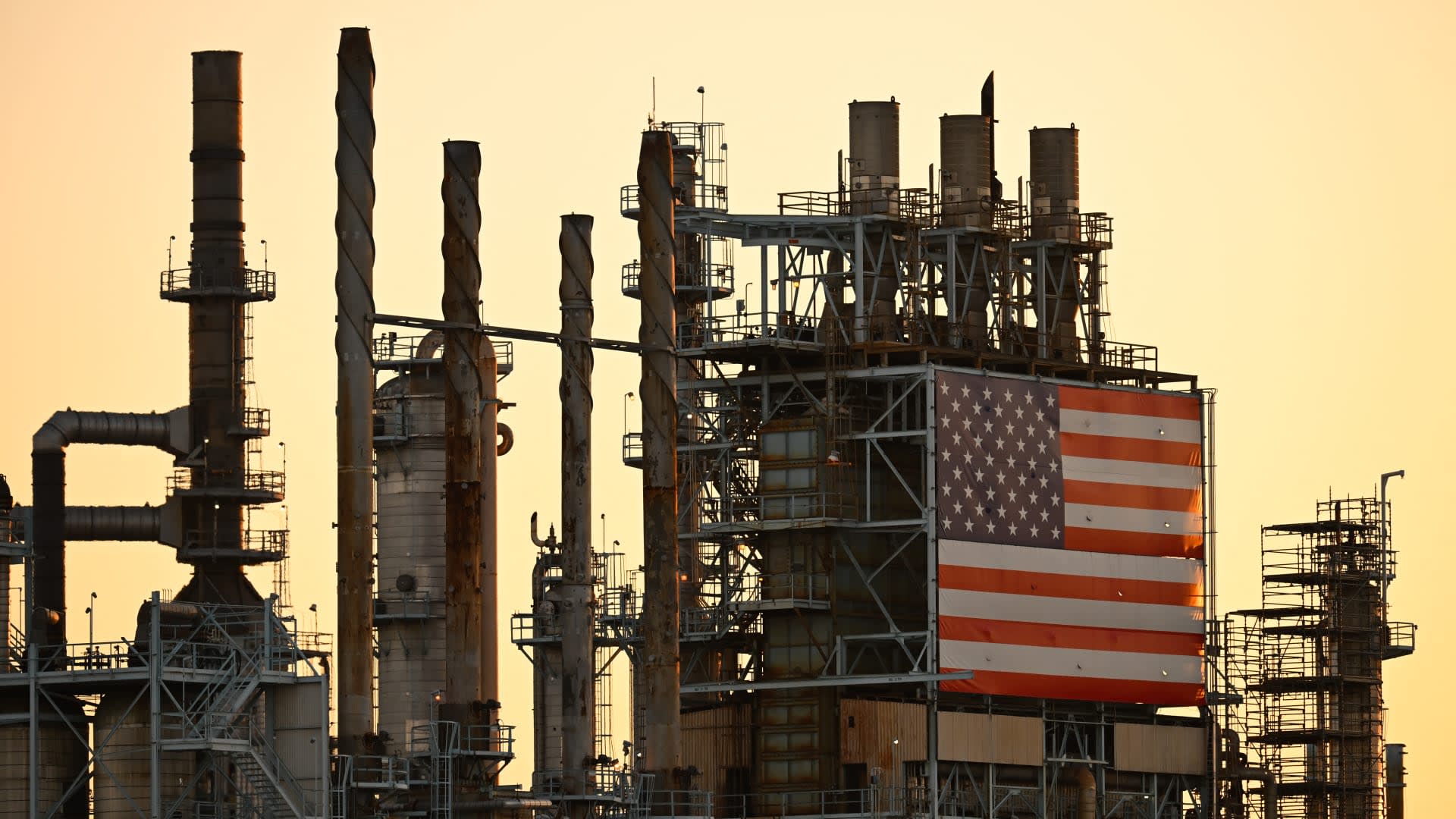
President Trump is seriously considering a U.S. diesel export ban to curb domestic fuel prices ahead of midterm elections. Analysts and international partners warn that such a move could trigger global supply chain shocks and paradoxically increase U.S. gasoline costs.
The Geopolitical Gamble: Analyzing the Potential U.S. Diesel Export Ban
President Donald Trump has signaled that his administration is "thinking very seriously" about implementing a ban on U.S. diesel exports. This potential policy shift comes as the White House faces intense political pressure to mitigate the impact of soaring fuel prices ahead of the upcoming midterm elections. While the objective is to stabilize domestic supply, the proposal has sparked significant concern among energy analysts and international allies alike.
Economic Risks and Market Volatility
Market experts, including strategists at Goldman Sachs, have issued stark warnings regarding the unintended consequences of such a restriction. Projections suggest that limiting diesel exports could inadvertently add $0.30 per gallon to domestic retail gasoline prices. This occurs because the complex refining process in the United States is deeply integrated; when refiners are forced to adjust their output to prioritize domestic diesel, the resulting shifts in production efficiency often lead to higher costs for gasoline, potentially exacerbating the very inflationary pressures the administration aims to solve.
International Friction and Diplomatic Strains
The potential ban has already triggered an urgent diplomatic response, particularly from the United Kingdom. Chancellor John Healey has confirmed that the UK government is in active talks with U.S. authorities to address the threat of a stoppage. With UK diesel prices reaching record highs—exacerbated by broader geopolitical instability stemming from the Russia-Ukraine conflict and tensions involving Iran—the prospect of a U.S. export ban is viewed as a major threat to European energy security. The UK is currently forced to evaluate its own strategic reserves as a contingency against potential supply disruptions.
The Global Context of Supply Crises
This policy debate does not occur in a vacuum; it is unfolding against a backdrop of global supply chain fragility. Ongoing international conflicts have tightened global energy markets, creating a precarious environment where localized policy decisions in the U.S. can have immediate, far-reaching effects on global fuel pricing. The interconnected nature of the global energy market means that a U.S. export ban would likely trigger a domino effect, pushing international diesel prices even higher as global buyers scramble to find alternative sources of supply.
Future Trends and Policy Implications
Looking ahead, the administration's decision-making process will likely be a tug-of-war between short-term political expediency and long-term economic stability. If the White House proceeds with an export ban, it may satisfy immediate domestic political demands but risks alienating key international partners and creating new structural imbalances in the energy sector. Conversely, a decision to forgo the ban would require the administration to find alternative ways to address rising fuel costs, likely through domestic production incentives or strategic reserve management, to avoid the negative market impacts predicted by Wall Street analysts.
Conclusion
The proposal to ban diesel exports represents a high-stakes intervention in the global energy market. While intended to provide relief to U.S. consumers, the evidence suggests it could prove counterproductive by inflating domestic gasoline prices and straining international relations. As the midterm elections approach, the administration must weigh the immediate political benefits against the significant economic risks of disrupting global energy trade.