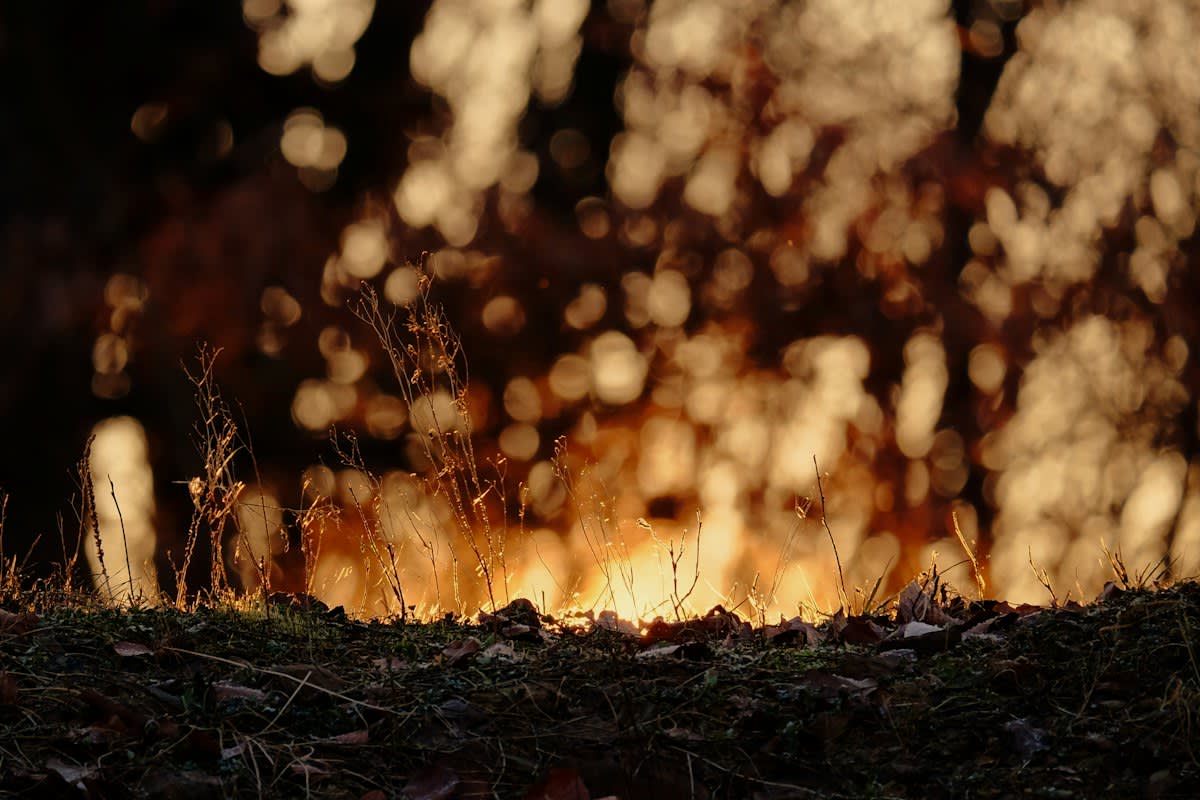
Fire saves the forest. 186 acres of land in the Tampa Bay region are scheduled for controlled combustion (Source: WaterMatters.org, 2026). This tactical application of fire prevents the buildup of surface fuels that lead to catastrophic wildfires. By introducing fire under strict parameters, land managers protect conservation areas and promote the health of native ecosystems. The goal is to replace an unpredictable disaster with a planned event.
Prerequisites for Controlled Ignition
Before a single match is struck, rigorous administrative and environmental checks must occur. Every burn must be authorized by a governing body, such as the Florida Forest Service (Source: WaterMatters.org, 2026). Managers must verify weather conditions, as wind speed and humidity determine whether a fire remains contained or becomes a liability. Public notification is mandatory, utilizing platforms like Facebook, X, and Nextdoor to alert residents in the surrounding area.
- Official authorization from state forest services
- Real-time weather monitoring for safety compliance
- Public alert systems (Email, Text, Social Media)
- Defined burn boundaries to prevent escape
- On-site suppression equipment and personnel
Proper preparation involves identifying the specific biological goals of the burn. In some regions, the focus is on consuming slash and surface-level fuels to reduce the risk of high-severity wildfire (Source: DNR WA, 2026). In others, the priority is the removal of invasive vegetation to allow native plants and wildlife to recover. These objectives dictate the timing and intensity of the fire.
Tactical Execution Steps
- Fuel Mapping: Identify concentrations of slash and surface fuels that increase wildfire risk (Source: DNR WA, 2026).
- Permitting: Secure authorization from agencies like the Florida Forest Service (Source: WaterMatters.org, 2026).
- Notification: Issue alerts to the public via local government portals and social media.
- Ignition: Apply fire to the terrain under strict weather-based safety conditions.
- Monitoring: Track fire behavior to ensure it remains within the designated unit, such as the 186-acre Serenova Tract (Source: WaterMatters.org, 2026).
- Post-Fire Recovery: Evaluate the area for natural regeneration and the stimulation of native grasses and wildflowers (Source: USFWS, 2026).
Execution requires a precise understanding of the terrain. In Skagit County, for example, a 13-acre burn was designed specifically to accelerate natural regeneration and limit insect and disease outbreaks (Source: DNR WA, 2026). This scale of operation allows for a tighter control loop, ensuring that the fire consumes only the intended fuels without damaging the overarching canopy. The precision of these operations prevents the need for emergency stabilization later.
| Region | Acreage | Primary Objective | Authority |
|---|---|---|---|
| Tampa Bay (Pasco County) | 186 | Invasive species management | Florida Forest Service |
| Skagit County, WA | 13 | Slash and fuel reduction | Department of Natural Resources |
The tactical movement of fire is not merely about destruction but about biological stimulation. Prescribed fire is recognized as one of the best tools for restoring wildlife habitats (Source: USFWS, 2026). By clearing the understory, these burns improve natural forage and stimulate the growth of native wildflowers. This process creates a healthier, more resilient ecosystem that can withstand future climate pressures.
Standing on the fire line, the air becomes sulfur-thick. You feel the heat as a raw pressure against the skin, a concrete-raw intensity that demands respect. The real friction occurs when public fear clashes with ecological necessity. Practitioners must manage the anxiety of residents who see smoke and assume catastrophe, while the crew focuses on the wind's movement. It is a battle of nerves fought in grease-slicked boots and heavy gear.
Global Application and Environmental Justice
While these data points originate in the US, the tactics are relevant to emerging hubs like Nairobi and Jakarta, where biomass management is a constant struggle. The Department of Natural Resources in Washington has linked prescribed burns to broader goals, including Action 12: Supporting Environmental Justice and Human Health Benefits (Source: DNR WA, 2026). By reducing the risk of high-severity fires, these programs protect vulnerable populations from the respiratory impacts of uncontrolled smoke.
Furthermore, these operations are tied to climate mitigation. Action 13 emphasizes the need to sequester carbon and mitigate growing climate risks (Source: DNR WA, 2026). When fire is managed, carbon release is controlled and the resulting healthy forest is better equipped to store carbon long-term. This makes prescribed burning a tool for both local safety and global atmospheric stability.
"Prescribed fire is one of the best tools we have for restoring wildlife habitat and natural forage, controlling invasive plant species, and stimulating native grasses and wildflowers."— US Fish and Wildlife Service (USFWS), 2026
Failure Point: The Cost of Uncontrolled Fire
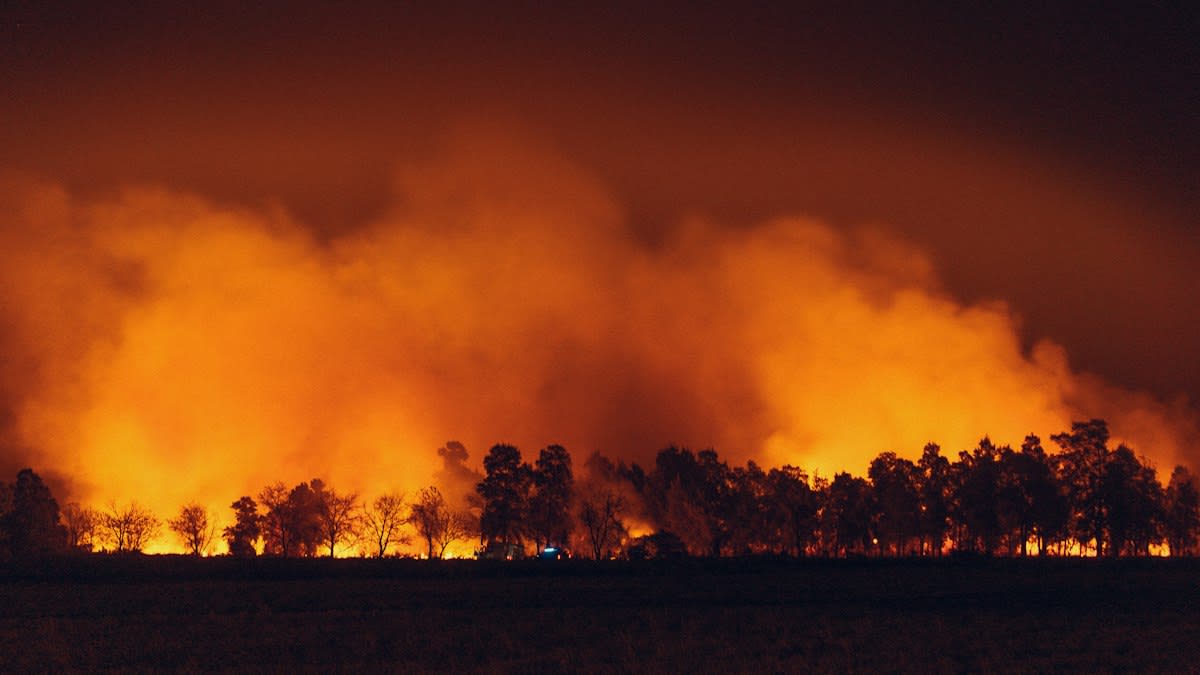
The risk of failing to manage fuels is illustrated by the Dragon Bravo Fire. Ignited by a lightning strike on July 4, 2025, this fire was initially managed under a confine and contain strategy (Source: NPS, 2026). However, the severity of the impact led to a crisis. A Burned Area Emergency Response (BAER) team had to evaluate post-fire risks to water systems, wildlife, and visitor safety.
The outcome was devastating for cultural and structural resources. Due to severe fire impacts, structural engineers recommended the selective demolition of the Grand Canyon Lodge and associated cabins (Source: NPS, 2026). This demolition took place between October and November 2025. The transition from a natural event to a structural failure highlights the danger of allowing fuels to accumulate without tactical intervention.
Prescribed Burn Acreage Comparison
Executive Insight
+18.4%
YTD Growth
Common Pitfalls
- Ignoring slight changes in weather conditions on the day of the burn, leading to postponement or escape (Source: DNR WA, 2026).
- Failure to provide adequate public notification, resulting in community panic.
- Underestimating the fuel load of slash and surface-level debris.
- Neglecting post-fire BAER assessments to identify emergency stabilization needs (Source: NPS, 2026).
Fact-Check & Accuracy Note
This guide is based on data from the Florida Forest Service, Washington DNR, USFWS, and the National Park Service (2025-2026). All acreage and dates are sourced directly from agency alerts and reports. The Grand Canyon Lodge demolition is a documented result of the Dragon Bravo Fire.
Editorial Note
Editorial Note: The distinction between a prescribed burn and a wildfire is the presence of authorization and safety parameters. This guide emphasizes the tactical necessity of the former to prevent the latter.