IndiGo hikes fuel charges for all flights: Here's how much more you will end up paying
Source Entity
SHIVANGHI PAYAL
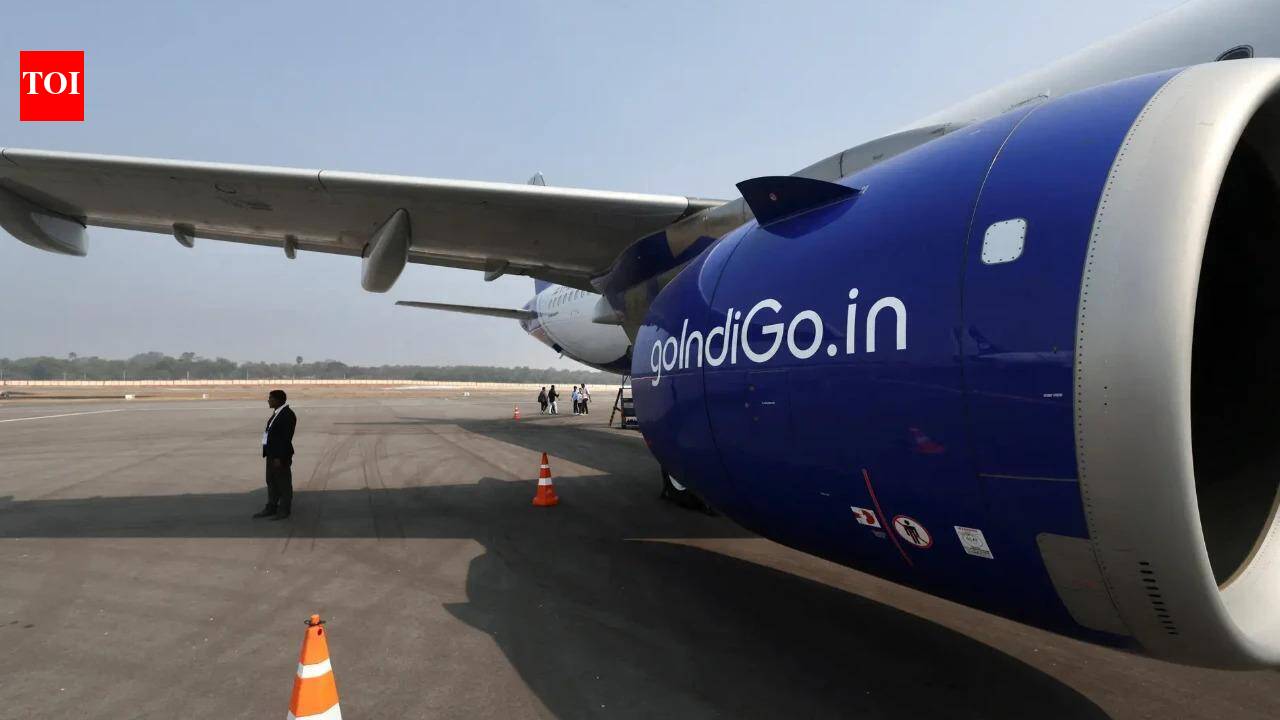
IndiGo has announced a hike in fuel charges for both domestic and international flights effective October 6, 2026. The increase is a direct response to rising aviation turbine fuel costs driven by ongoing geopolitical tensions in West Asia.
IndiGo Implements Fuel Surcharge Hikes Amid Global Energy Volatility
Starting October 6, 2026, India's largest airline, IndiGo, will implement a revised structure for fuel charges across its entire flight network. This adjustment, which impacts both domestic and international routes, comes as a direct response to the sustained elevation in Aviation Turbine Fuel (ATF) prices. As global energy markets react to ongoing geopolitical instability, particularly the conflict in West Asia, airlines are being forced to pass on increased operational costs to consumers to maintain financial viability.
Impact on Domestic Travel
The domestic pricing model is tiered based on the distance of the flight, ensuring that the surcharge scales proportionately with fuel consumption. Passengers traveling on routes up to 500 km will face a charge of Rs 375, while those on long-haul domestic flights exceeding 2,000 km will pay up to Rs 1,300. These increases represent a notable shift in the cost of air travel, as the domestic sector accounts for a significant portion of IndiGo’s passenger volume.
International Route Adjustments
International travelers will see even more significant financial impacts, with revised fuel charges ranging from Rs 1,000 to Rs 10,000 per sector. This represents a substantial increase of up to Rs 2,500 compared to the charges implemented in April. The wide range of these fees reflects the complexity of international aviation economics, where fuel burn is significantly higher and exposure to fluctuating global oil prices is more pronounced.
The Role of ATF in Airline Economics
Aviation Turbine Fuel (ATF) constitutes over 40% of an airline's total operating expenses. Consequently, any volatility in the global oil market has an immediate and severe impact on an airline's bottom line. The current "West Asia crisis" has created a supply-side constraint and increased risk premiums, keeping fuel prices elevated. For an airline like IndiGo, which relies on cost-efficiency to maintain its market-leading position, these surcharges are essential to mitigate the erosion of operating margins.
Broader Implications and Future Trends
This move by IndiGo highlights a broader trend in the aviation industry: the return of fuel surcharges as a standard mechanism to buffer against external economic shocks. As long as geopolitical tensions persist in key oil-producing regions, airfares are likely to remain high. Travelers should anticipate that these "dynamic" fuel charges will continue to fluctuate in tandem with crude oil prices. Moving forward, the industry may see further consolidation or structural changes in pricing as airlines attempt to balance the need for profitability with the risk of dampening consumer demand through higher ticket prices.