Cabinet greenlights new apex body to oversee transport and logistics
Source Entity
Dheeraj Mishra
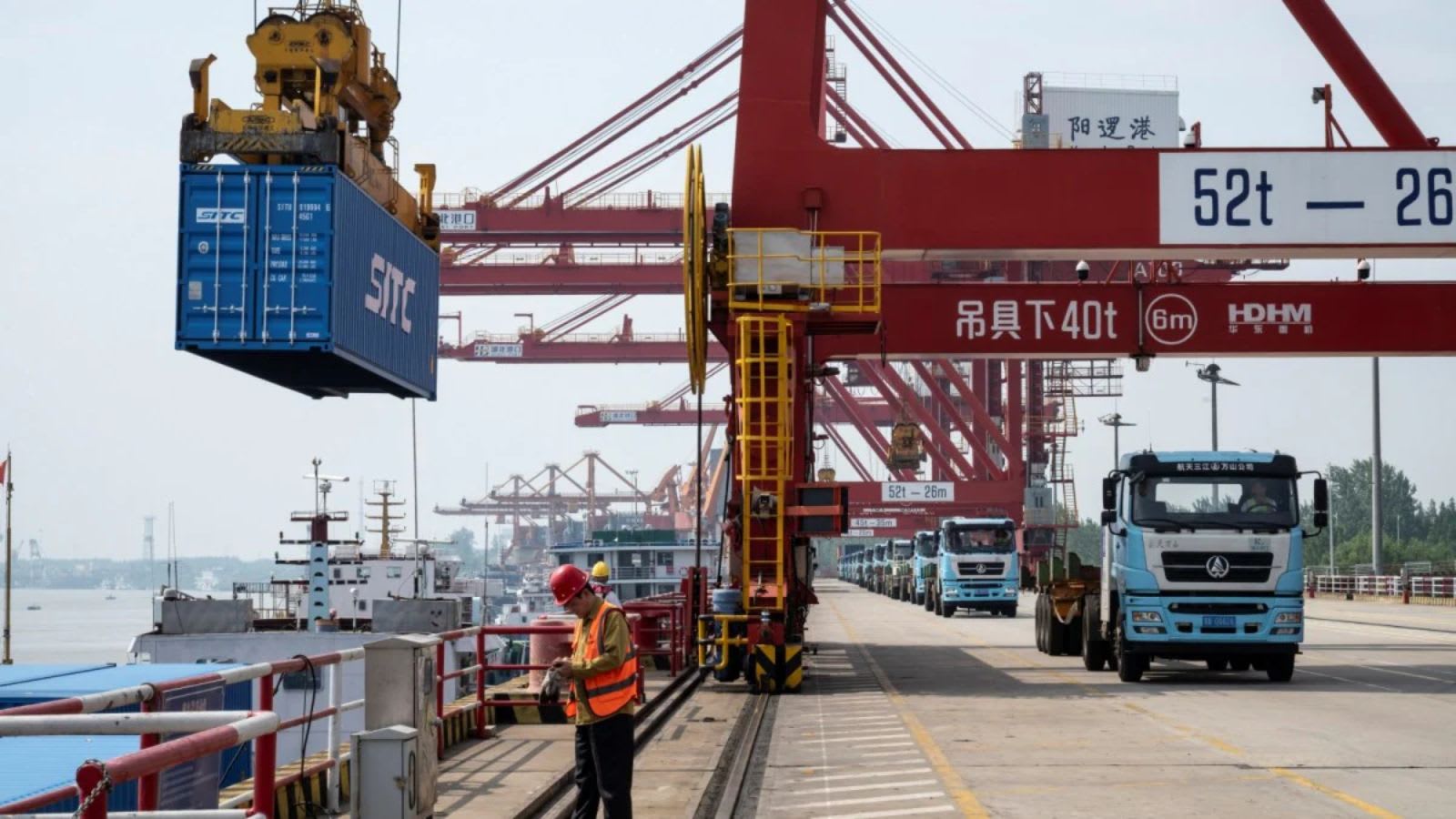
The Union Cabinet has established the Integrated Transport & Logistics Authority (ITLA) to unify infrastructure planning across all transport sectors. Simultaneously, a Rs 10,000 crore SME Growth Fund was approved to provide vital equity support for small and medium-sized manufacturing enterprises.
A Unified Vision for India’s Logistics Future
The Union Cabinet’s recent decision to establish the Integrated Transport & Logistics Authority (ITLA) marks a transformative shift in how India approaches infrastructure development. By creating a single apex body under the Ministry of Commerce & Industry, the government aims to break down the traditional silos that have historically separated road, rail, aviation, and waterway planning. This centralized approach is designed to foster synergy, ensuring that major infrastructure projects are not developed in isolation but as part of a cohesive, multi-modal network.
Strategic Objectives of the ITLA
The core mandate of the ITLA is to move beyond short-term fixes and prepare comprehensive transport master plans spanning a decade or more. With the authority tasked with the technical appraisal of all projects exceeding ₹500 crore, the government is introducing a rigorous layer of oversight. By integrating data across all transport sectors, the ITLA will be better positioned to predict future infrastructure requirements, effectively managing the reality that logistics demand often outpaces GDP growth by a significant margin.
Economic Implications and Logistics Efficiency
As Union Minister Ashwini Vaishnaw highlighted, logistics requirements scale aggressively with economic growth—typically growing at 10% when the national GDP grows at 7%. This disparity underscores the urgency of the ITLA’s formation. By streamlining project appraisal and monitoring, the authority is expected to reduce logistical bottlenecks, lower the cost of doing business, and enhance the competitiveness of Indian goods in both domestic and international markets.
Bolstering the SME Sector
Beyond infrastructure, the Cabinet has addressed a critical financial gap for the nation's industrial backbone: small and medium enterprises (SMEs). The approval of the Rs 10,000 crore SME Growth Fund (SGF) is a direct intervention to provide equity support. Historically, many existing funding mechanisms have prioritized early-stage or micro-enterprises, leaving a structural deficiency in growth-stage capital. This new fund specifically targets medium-sized manufacturing enterprises, providing the liquidity needed to scale operations.
Empowering Tier-II and Tier-III Cities
A pivotal aspect of the SGF is its deliberate focus on industrial clusters located in Tier-II and Tier-III cities. By channeling capital into these regions, the government is incentivizing decentralized industrial growth. This strategy not only promotes regional development but also ensures that the benefits of the infrastructure improvements brought by the ITLA reach beyond major metropolitan hubs, fostering a more inclusive industrial landscape across the country.
Future Outlook
The dual approval of the ITLA and the SME Growth Fund signals a coordinated effort to modernize India’s industrial foundation. While the ITLA provides the 'hardware'—the physical and digital connectivity required for seamless logistics—the SGF provides the 'fuel'—the capital necessary for SMEs to thrive within these improved conditions. Together, these initiatives represent a robust framework for long-term economic stability and industrial expansion.
Multiple Citing Sources