Defiant Harish Rawat goes ahead with outreach campaign in poll-bound Uttarakhand
Source Entity
Latest News: Todays Latest News Headlines from India & World | Hindustan Times | Hindustan Times
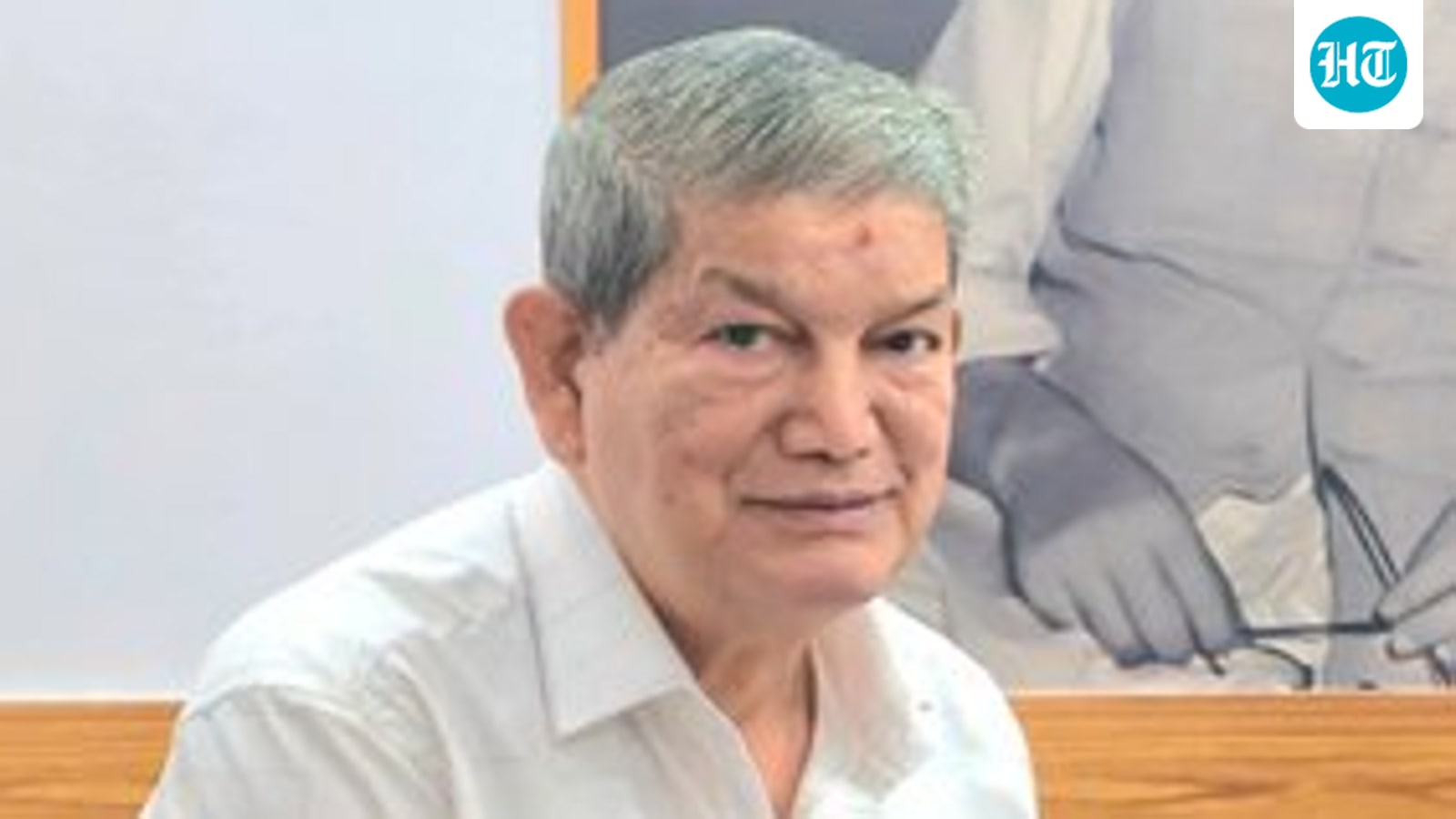
Former Uttarakhand CM Harish Rawat has defied AICC leadership by continuing his solo outreach yatra despite formal warnings. This public friction highlights growing internal divisions within the state Congress ahead of the 2027 assembly elections.
Internal Strife in Uttarakhand Congress: The Harish Rawat Dilemma
Former Uttarakhand Chief Minister Harish Rawat has sparked a significant political controversy by launching his 'Dhanyawad evam Jansamvad Yatra' in direct defiance of the All India Congress Committee (AICC) leadership. Despite explicit instructions from AICC general secretary and state in-charge, Kumari Selja, to halt the program, Rawat proceeded with the Jaspur-Haldwani leg of his campaign. This move has created a public spectacle of discord, challenging the party's mandate for a unified approach as the state approaches the 2027 Assembly elections.
The AICC Directive and the Call for Unity
Kumari Selja’s intervention, formalized in a letter dated October 1, underscored the frustration of the central leadership. Selja argued that the party must project a cohesive front to effectively challenge the incumbent government. By initiating a 'parallel programme' that was neither sanctioned by the state unit chief nor vetted by the central high command, Rawat has effectively bypassed traditional party hierarchies, creating a challenge for the AICC's authority in the state.
Implications of Solo Outreach
The core of the conflict lies in the optics of a veteran leader prioritizing individual brand-building over collective party strategy. Selja explicitly noted that Rawat’s recent controversial statements, combined with this independent outreach, are counterproductive to the party's electoral interests. For a party already struggling to maintain momentum, the perception of a fractured leadership can be detrimental to voter confidence, as it signals a lack of internal consensus on the party's vision for the state.
Historical Context of Factionalism
Harish Rawat has long been a polarizing figure within the Uttarakhand Congress, often operating as a power center distinct from the official state unit leadership. His decision to continue the yatra is not merely a logistical disagreement but a manifestation of long-standing tensions regarding his political role and influence. This recurring pattern of individualistic campaigning historically complicates the party's ability to consolidate its base, often leading to fragmented messaging during critical campaign cycles.
Strategic Risks for 2027
As the 2027 Assembly elections loom, the timing of this defiance is particularly precarious. The AICC is attempting to streamline its operations to ensure a disciplined campaign, but Rawat's actions suggest a refusal to conform to the new central-state alignment. If this trend continues, the Congress party faces the risk of a diluted electoral campaign, where internal power struggles overshadow policy debates and substantive critiques of the ruling government.
Future Trends and Outlook
The standoff between Rawat and the AICC leadership serves as a litmus test for the party's disciplinary efficacy. Should the leadership fail to bring the veteran leader to the table, it may embolden other factions to pursue independent agendas, further destabilizing the state unit. Conversely, a swift resolution is necessary to prevent this rift from defining the pre-election narrative and to allow the Congress to pivot back toward a singular, disciplined focus on the upcoming electoral contest.
Verification Required?