'Dhappa': Cops tried to stop INDIA bloc march to EC; Rahul pulled a surprise
Source Entity
PRIYANKA MUKHERJEE
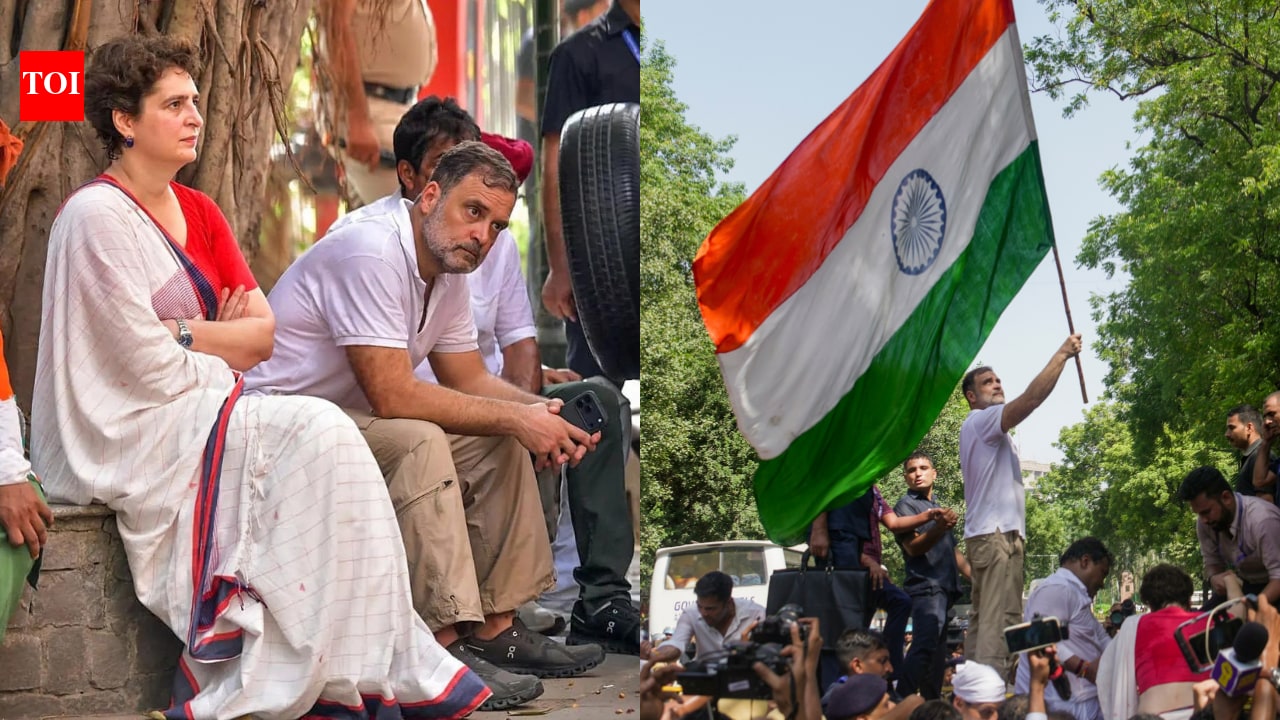
INDIA bloc MPs, led by Rahul Gandhi and Priyanka Gandhi Vadra, staged a protest march to the Election Commission of India over concerns regarding the Special Intensive Revision (SIR) exercise. The demonstration, marked by a sit-in and the detention of leaders, highlighted growing tensions between the Opposition and the poll body.
Tensions Escalate: INDIA Bloc Confronts the Election Commission
On Tuesday, the political climate in New Delhi intensified as members of the INDIA bloc, spearheaded by Leader of Opposition Rahul Gandhi and Congress MP Priyanka Gandhi Vadra, organized a protest march from the Parliament House complex toward the Election Commission of India (ECI) headquarters. The demonstration was primarily driven by deep-seated concerns regarding the Special Intensive Revision (SIR) exercise, with opposition leaders questioning the integrity and impartiality of the electoral processes currently being overseen by the Commission.
Security Measures and Confrontation
Ahead of the march, authorities had implemented heavy security deployments and extensive barricading in the vicinity of Parliament and the ECI offices. The protest reached a flashpoint near the NITI Aayog office, where the stretch leading toward Akashvani Bhavan was blocked by police forces. Prevented from reaching their destination, the MPs chose to stage a sit-in on the road, chanting slogans such as “BJP hai CEC hai” and “Democracy not for sale.” The atmosphere was further charged by the use of visual props, including cutouts depicting Chief Election Commissioner (CEC) Gyanesh Kumar in an RSS uniform, signaling a direct challenge to the perceived neutrality of the ECI leadership.
The 'Akashvani' Maneuver
As the situation escalated, police began detaining the protesting MPs and loading them into buses. In an unexpected turn of events, Rahul and Priyanka Gandhi executed a tactical maneuver that momentarily stumped security personnel. While other leaders were being processed for detention, the siblings veered away from the police buses and entered the premises of Akashvani Bhavan. This impromptu action caught law enforcement off guard, demonstrating the volatile and unpredictable nature of the protest as the opposition sought to maintain visibility and pressure despite active police containment.
Broader Implications for Electoral Trust
The core of this protest lies in the Opposition's skepticism regarding the Special Intensive Revision (SIR) process. By targeting CEC Gyanesh Kumar directly—culminating in Rahul Gandhi’s public call for his resignation—the INDIA bloc is escalating its critique of how electoral rolls and voting procedures are managed. This confrontation is not merely a localized event; it reflects a broader, systemic struggle over the perceived independence of constitutional bodies in India. The Opposition's demand for accountability suggests they view these administrative revisions as potential threats to the level playing field required for democratic competition.
Historical Context and Future Trends
Historically, the relationship between the Opposition and the Election Commission has been a cornerstone of Indian democratic discourse. Challenges to the ECI are rare and carry significant weight, as they directly impact public faith in the electoral machinery. By taking their grievances to the streets, the INDIA bloc is signaling a shift toward more aggressive, direct-action politics. Moving forward, this trend suggests that future electoral cycles will likely be characterized by heightened scrutiny of the ECI’s technical processes, with the Opposition maintaining a posture of constant vigilance and public protest to ensure electoral transparency.
Conclusion
The protest march and subsequent detention of INDIA bloc leaders mark a significant moment in the current parliamentary session. While the immediate standoff was managed by police, the underlying tensions regarding the SIR exercise and the perceived bias of the ECI remain unresolved. As both the government and the Opposition prepare for upcoming political challenges, the demand for transparency in electoral administration will likely remain a central, contentious issue in the national discourse.
Multiple Citing Sources