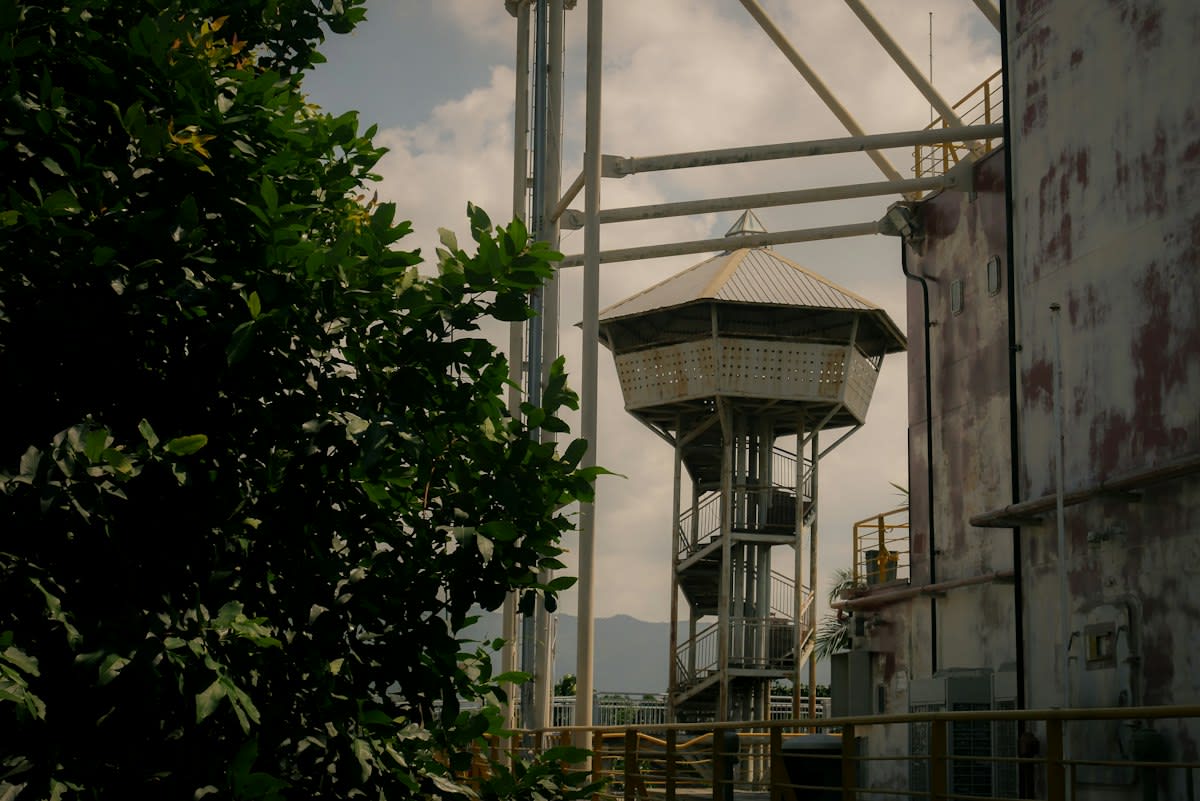
Methane is food. While most analysts see a heating fuel, the real prize is the carbon backbone of methane which can be converted into high-quality protein by specialized bacteria. This shift redefines how we value carbon. The soil is irrelevant. By feeding methanotrophic bacteria a steady diet of gas and oxygen, these labs create a powder that rivals soy in nutritional density. It is a chemical heist.
The Death of the Acre
Land is finite. The current agricultural model relies on the fragile hope that rain falls in the right places and the temperature stays within a narrow window. This vulnerability is expensive. We can stop guessing. When you move protein production into a stainless steel bioreactor, the biological requirements shift from hectares of land to cubic meters of gas. The geography vanishes. This allows a desert city in the Middle East to produce the same protein volume as a fertile valley in the Midwest (Source: IEA Energy Technology Perspectives, 2023). It is a hard turn.
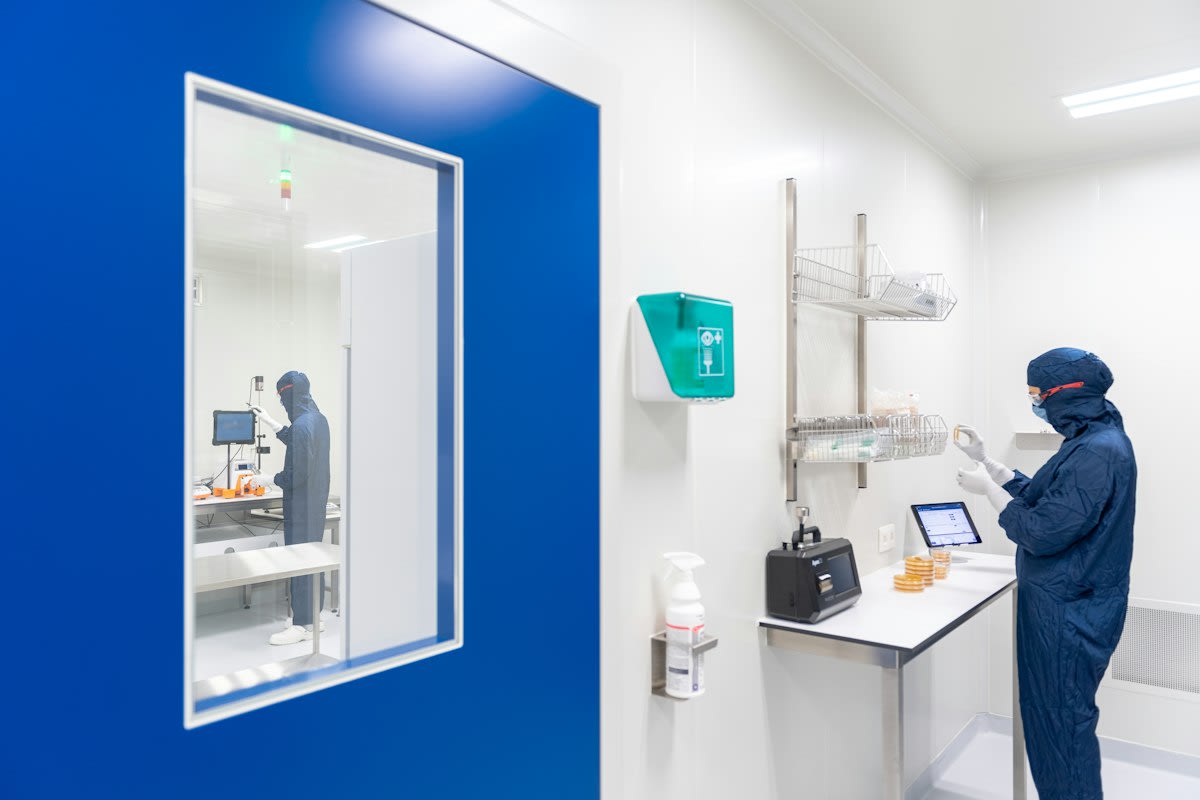
The math fails. Most analysts calculate the cost of gas-to-protein by comparing it to cheap corn, ignoring the massive externalities of water depletion and deforestation in the Amazon. The comparison is rigged. Carbon is cheap. When you remove the need for arable land, the cost of a calorie drops to the price of a cubic meter of methane and a bit of electricity. This changes the weight.
"We are no longer bound by the seasons. The ability to synthesize protein from a gas stream means we can decouple food production from the geography of fertile soil."— Dr. Mikael Virtanen, Senior Researcher at VTT Technical Research Centre of Finland
Energy is key. The process requires a precise balance of methane and oxygen to prevent the bacteria from suffocating or the tank from exploding. This is the fray. Engineers must manage the heat generated by the bacteria, which can cook the colony if the cooling systems fail for even an hour. The margins are thin. This mechanical failure is the primary reason why scaling from a lab to a factory remains a brutal struggle (Source: Nature Communications, 2021). Precision is everything.
The Insider's Friction
The labs fight. Traditionalists in the food safety sector argue that protein grown from a gas pipe lacks the natural pedigree required for consumer trust in European markets. This creates a regulatory wall. Engineers counter that the purity of a bioreactor exceeds the contaminated soil of industrial soy farms in Brazil. The debate is visceral. I have sat in rooms where the argument wasn't about nutrition, but about the visceral fear of eating something that never saw the sun. It is a cultural war.
| Feedstock | Process | Output | Caloric Density |
|---|---|---|---|
| Natural Gas | Methanotrophic Fermentation | Single Cell Protein | 4 kcal/g |
| Corn/Soy | Traditional Farming | Plant Protein | 4 kcal/g |
| Air/CO2 | Hydrogen-based Synthesis | Synthetic Protein | 4 kcal/g |
Waste is value. In the Niger Delta, gas flaring is an environmental crime that wastes billions of cubic meters of methane every year. This is an opportunity. By installing bioreactors at the site of these flares, we can synthesize calories where food is most scarce. The profit is pure. This turns an environmental liability into a nutritional asset without requiring a single seed (Source: World Bank Energy Report, 2022). The waste becomes wealth.
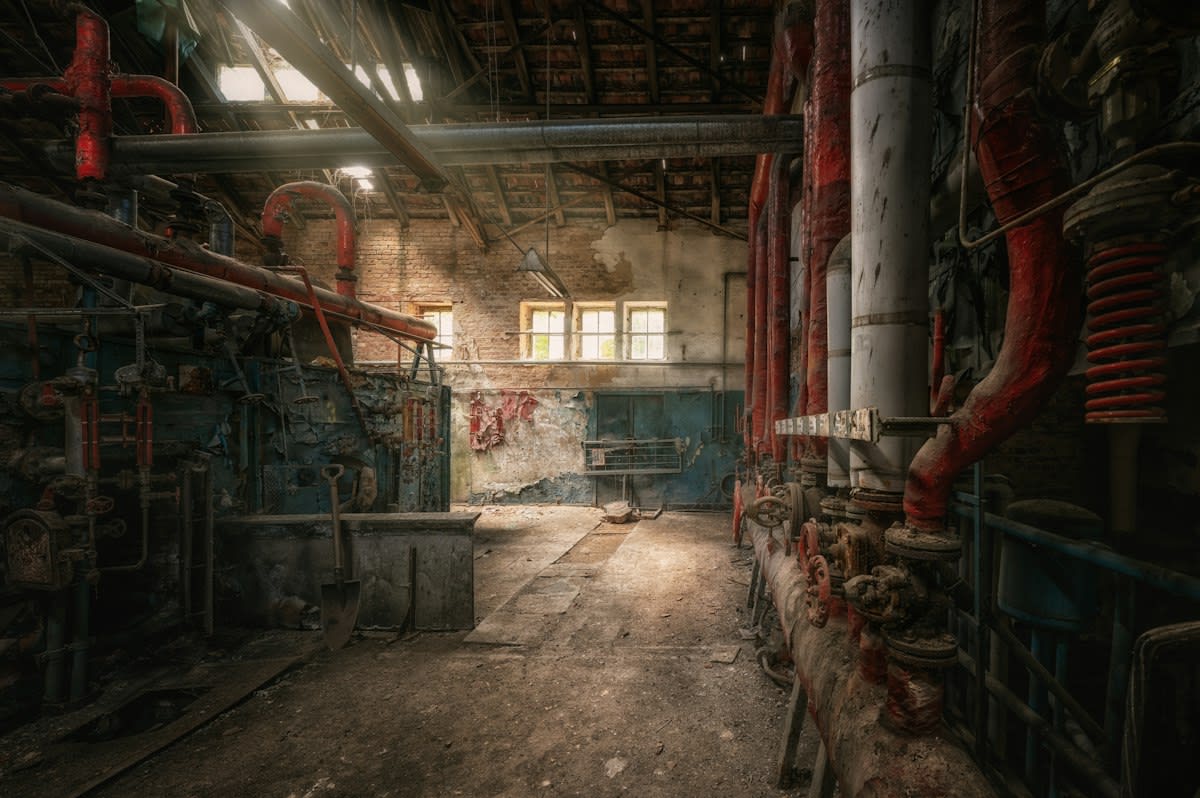
The scale looms. Moving from a 1,000-liter tank to a 100,000-liter tank introduces fluid dynamics problems that can kill an entire batch of bacteria. This is the wall. If the oxygen doesn't reach the center of the tank, the bacteria die and the protein turns into a toxic sludge. The risk is high. This is why the venture capital in this space is cautious despite the theoretical upside of the technology (Source: AgFunder Research, 2023). Scaling is a nightmare.
The New Protein Playbook
Carbon is raw. We are entering an era where the calorie is simply a measurement of how efficiently we can arrange carbon atoms. This is the default. By bypassing the plant, we remove the 90 percent energy loss that occurs when a cow eats grass to produce beef. The efficiency is staggering. We are finally treating food as a manufacturing problem rather than a gardening project (Source: FAO State of Food Security, 2022). The garden is dead.
Fact-Check & Accuracy Note
The primary academic debate centers on the Life Cycle Assessment (LCA) of gas-to-protein. Critics argue that if the electricity used for oxygenation comes from coal, the carbon footprint exceeds that of soy. Proponents argue that using renewable energy and captured methane makes this the lowest-impact protein on earth (Source: Nature Communications, 2021).
The cost drops. When the feedstock is a waste product, the input cost effectively hits zero for the operator. This is the win. It allows for a structural break in how we price basic nutrition in the global south. The market will react. Once the first commercial-scale plant in Finland or Singapore proves the unit economics, the soy market will feel the weight. The crash is coming.
We win here. The ability to produce protein in a shipping container means we can feed a refugee camp or a lunar colony using the same tech. The reach is total. We are no longer dependent on the whim of a monsoon or the politics of a grain-exporting superpower. This is true autonomy. The calorie is finally liberated from the earth. The chain is broken.