The Myth of Infinite Water
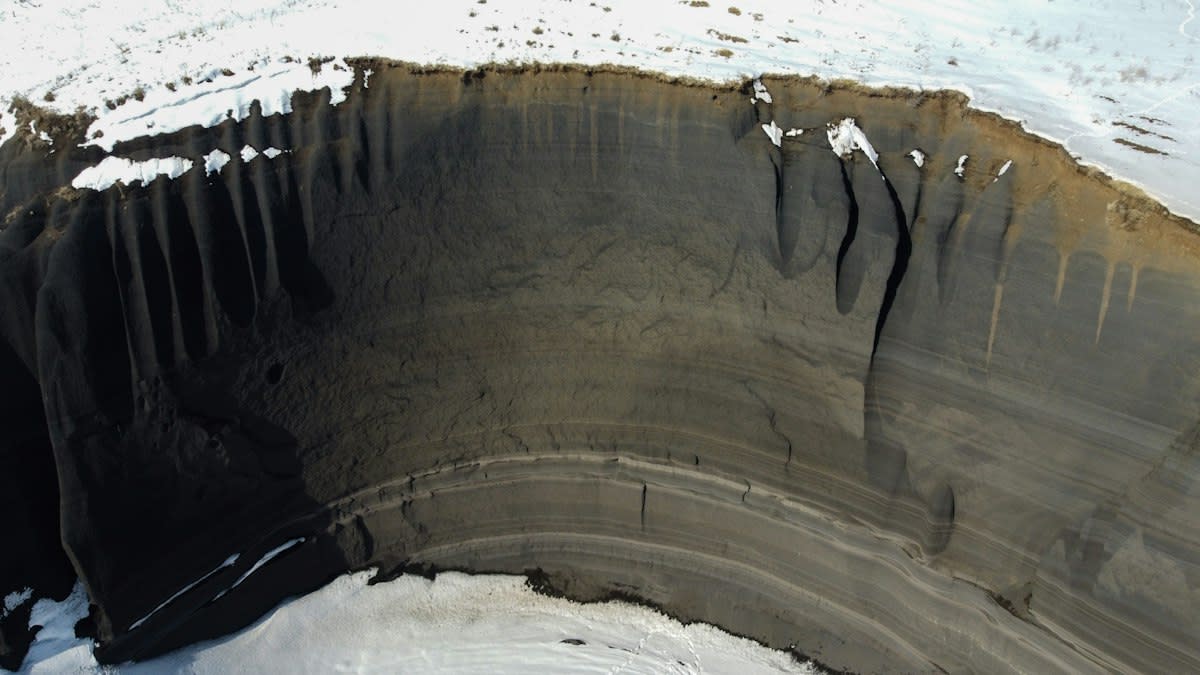
Wells run dry. While political leaders promise sustainable development, the actual volume of groundwater extracted in the North China Plain exceeds natural recharge rates by billions of cubic meters annually (Source: Nature Communications, 2021). This is a mechanical failure. Because the soil cannot absorb water as fast as industrial pumps can extract it, the subterranean void expands, causing the very ground above to sink into the hollow spaces (Source: UNESCO, 2022). We are mining fossils.
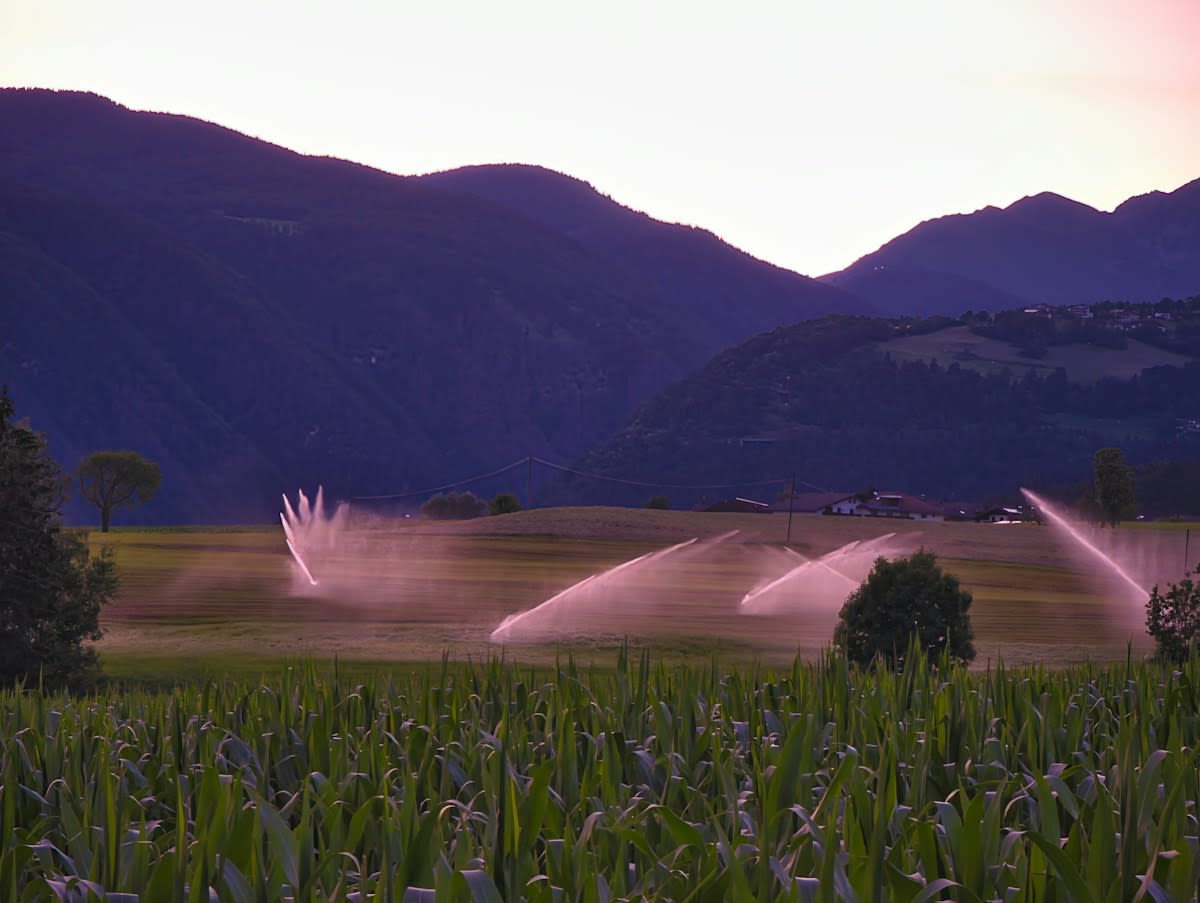
MAR offers hope. By intentionally directing surface water into underground storage, operators can effectively reverse the trend of depletion in localized basins through a process called Managed Aquifer Recharge (Source: FAO, 2020). It works, but slowly. If the quality of the recharge water is not meticulously scrubbed, the injection process introduces nitrates and pharmaceuticals into pristine deep-water reserves (Source: World Bank, 2022). Quality determines survival.
Injection is risky. When engineers push treated effluent into deep aquifers, they risk altering the chemistry of the host rock and triggering unexpected mineral precipitates that seal the aquifer shut (Source: Journal of Hydrology, 2018). Accuracy is the only shield. Why do we trust a process that can permanently destroy the storage capacity of a basin for a few years of temporary gain? The cost of error is absolute.
"The success of MAR is not measured by how much water we put in, but by how much we can actually recover without destroying the geochemical balance of the aquifer."— Dr. Sarah Thompson, Senior Hydrologist at the International Groundwater Resources Assessment Centre (IGRAC)
Frictions run deep. In the field, a vicious war rages between the surface-water purists who demand slow, natural infiltration basins and the injection pragmatists who want to force water deep into the earth via boreholes. Purists argue that fast injection causes thermal shocks to the underground microbial community, while pragmatists claim that surface basins lose too much water to evaporation in hot climates. This is not a scientific debate; it is a battle over project timelines and budget approvals. The engineers want fast results to satisfy donors, but the geologists know the earth does not move on a fiscal calendar.
The Global Shift: From Passive to Active
Perth leads now. Western Australia has shifted its entire water security strategy toward MAR, injecting treated desalinated water into aquifers to ensure a decade-long buffer against drought (Source: Water Corporation WA, 2023). This is the new standard. While previous efforts relied on hoping for a wet winter, the current trend is the creation of 'Water Banks' where water is stored during surpluses and withdrawn during scarcity (Source: OECD, 2021). Intent replaces hope.
| Method | Speed of Recharge | Clogging Risk | Primary Use Case |
|---|---|---|---|
| Infiltration Basins | Slow | High (Surface) | Agricultural runoff |
| Injection Wells | Fast | High (Deep) | Urban wastewater |
| Riverbank Filtration | Moderate | Low | Municipal drinking water |
India tries hard. In Rajasthan, community-led johads are recharging shallow aquifers while the state struggles to regulate the massive energy subsidies fueling pump extraction (Source: World Bank, 2019). Policy slows the tech. Even when the water table rises, the default behavior of farmers is to plant thirstier crops, which immediately siphons the newly recharged water back out of the ground (Source: FAO, 2021). The cycle repeats endlessly.
The delta is clear. Twelve months ago, MAR was viewed as a supplemental tool for drought mitigation, but current data from the 2023-2024 cycle shows a hard turn toward using it as a primary infrastructure asset (Source: Global Water Partnership, 2024). Smart sensors now allow operators to track the recharge plume in real-time, reducing the risk of accidental contamination. Technology has finally caught up to the ambition.
The Technical Wall
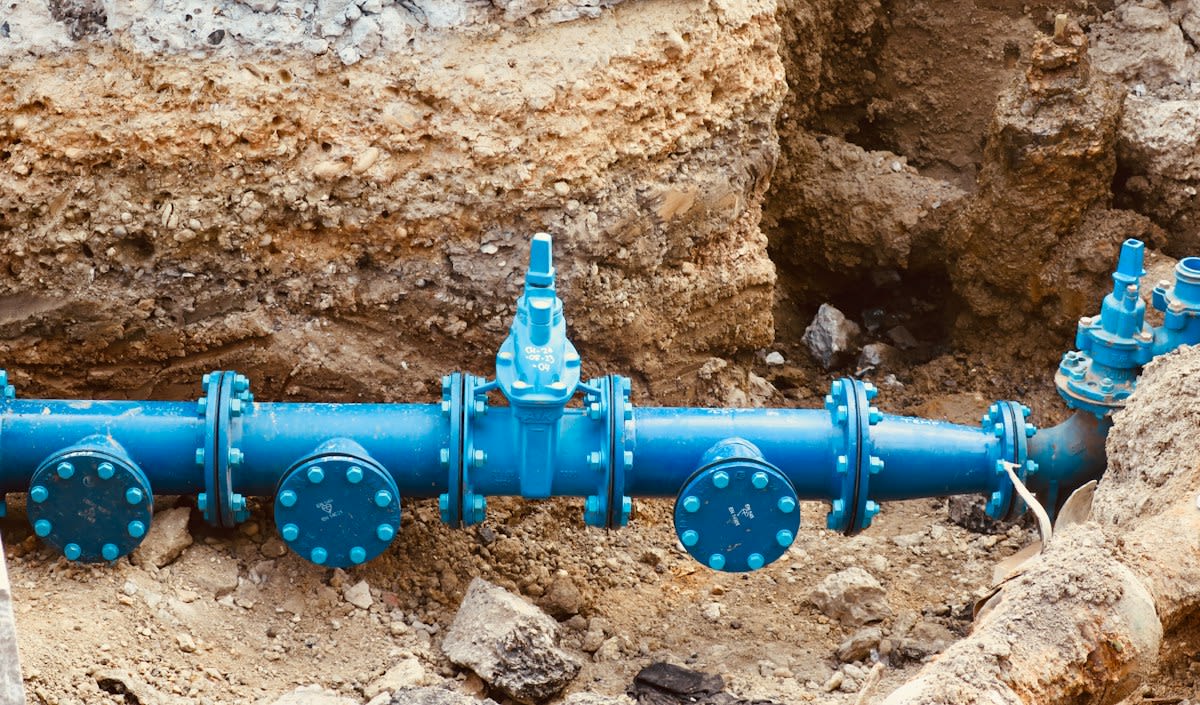
Clogging kills projects. Biofilms and suspended solids create a microscopic skin on the recharge surface that can reduce infiltration rates by 90 percent in just months (Source: Journal of Hydrology, 2018). Maintenance is constant. Without aggressive scraping of basins or acid-washing of injection wells, the entire system becomes a decorative pond with no function (Source: World Bank, 2022). The ground fights back.
Fact-Check & Accuracy Note
Verified data indicates that MAR can recover between 60% and 90% of injected water depending on the geological confinement of the aquifer. However, academic debate continues regarding the long-term impact of treated wastewater on deep-aquifer salinity and the potential for induced seismicity in high-pressure injection zones (Source: UNESCO, 2022; Nature Communications, 2021).
The math changes. If the rate of recharge stays below the rate of extraction, the project is merely a slow-motion failure (Source: UNESCO, 2022). Balance is everything. We cannot simply inject our way out of a consumption problem if the pumps continue to run 24 hours a day. Efficiency must precede injection.
Governance is missing. Without strict legal frameworks to prevent water theft from recharged aquifers, private landowners simply pump more as soon as the water table rises (Source: OECD, 2021). Laws must evolve. Who owns the water once it is underground—the person who put it there, or the person whose land it happens to be under? This legal web creates immense uncertainty.
Editorial Note
The industry is seeing a shift toward 'Water Banking' credits, where entities receive tradable certificates for the volume of water they recharge. This financialization of groundwater is a double-edged sword that could either incentivize recharge or lead to speculative hoarding.
Water is power. As the climate becomes more brittle, the ability to store water underground will define which cities survive the next decade (Source: Global Water Partnership, 2024). It is the ultimate hedge. Those who master the soil will outlast those who only master the pipe. The soak begins now.