
The End of the Blind Draw
For decades, groundwater extraction operated as a blind gamble. Farmers dropped pumps into the earth and pulled water until the energy costs of lifting it became prohibitive or the wells ran dry. This extractive model treated aquifers as infinite mines rather than renewable reservoirs. Today, that paradigm is collapsing. A strategic pivot is underway, shifting the focus from how much water can be extracted to how precisely a basin can be balanced. The industry is no longer just asking where the water is, but how it moves, how it depletes, and how it can be systematically restored.
The delta between today's approach and the strategy employed just twelve months ago is stark. A year ago, groundwater monitoring was largely a retrospective exercise, relying on manual gauge readings and delayed government reports. Now, we are seeing the rapid integration of real-time telemetry. The shift is moving from seasonal estimates to daily data streams. This transition allows for a surgical approach to irrigation, where water is applied not based on a calendar, but on the actual volumetric state of the aquifer and the immediate needs of the crop.
The Core Shift
Smart Aquifer Management isn't just about using less water. It is the systemic integration of real-time sensing, satellite monitoring, and active replenishment to treat groundwater as a managed bank account rather than a finite resource.
The Digital Eye: From GRACE to IoT
Precision is the new currency in global agriculture. The deployment of subterranean IoT sensors is transforming how we perceive the water table. These sensors provide a three-dimensional view of aquifer health, detecting salinity spikes and pressure drops in real-time. When combined with satellite data from missions like GRACE-FO, which measures gravity anomalies to detect massive shifts in groundwater mass, the result is a comprehensive hydrological map. Farmers in the Indo-Gangetic Plain are now utilizing these insights to synchronize their planting cycles with actual water availability, reducing the risk of crop failure during unexpected dry spells.
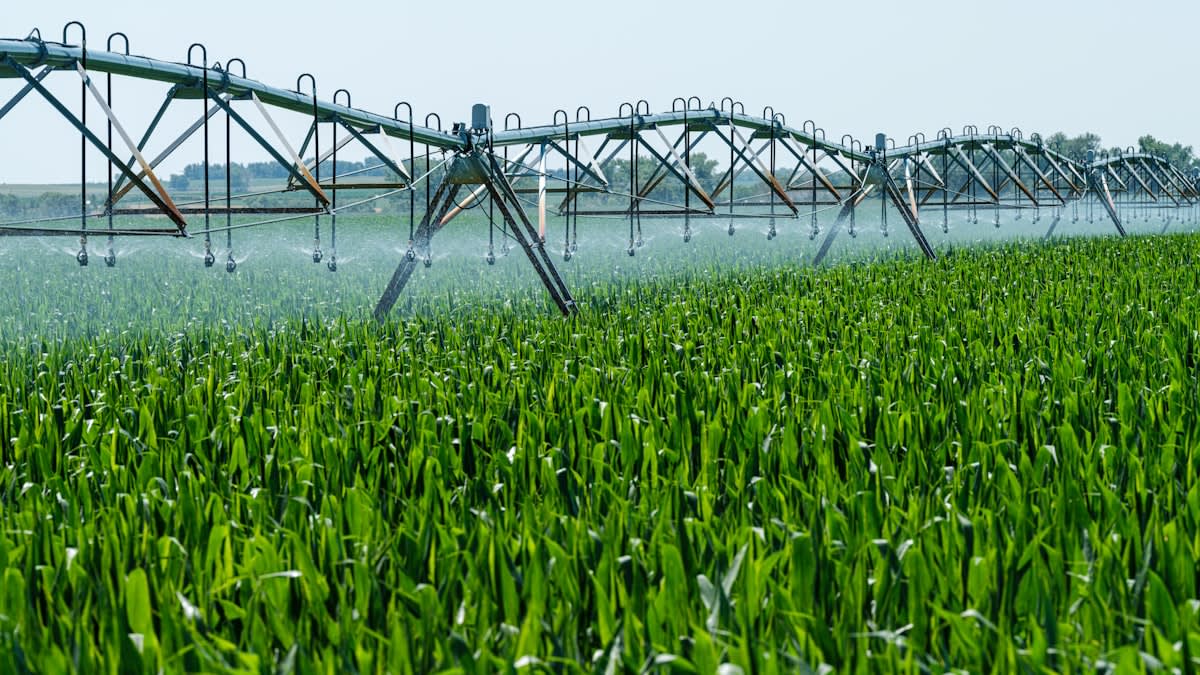
This technological layer eliminates the guesswork that once plagued large-scale farming. In the Central Valley of California and the North China Plain, the adoption of precision irrigation has already demonstrated a 20% to 30% reduction in unnecessary groundwater draw. By automating the delivery of water based on sensor feedback, operators avoid the common pitfall of over-irrigation, which often leads to nutrient leaching and soil degradation. The goal is no longer to saturate the field, but to maintain a precise moisture equilibrium.
"We are moving from an era of hydrological intuition to an era of hydrological accounting. Every drop is now a data point."— Industry Expert in Precision Hydrology
The integration of this data into AI-driven predictive models is the next frontier. These systems can now forecast aquifer depletion rates six months in advance, allowing regional cooperatives to adjust their water budgets before a crisis hits. This proactive stance represents a fundamental departure from the reactive policies of the past.
Managed Aquifer Recharge: The Great Replenishment
The most critical component of the Deep Water Pivot is Managed Aquifer Recharge (MAR). For too long, the industry focused solely on the 'out-flow' of water. MAR flips the script by treating the ground as a storage vessel for excess surface water during wet seasons. By utilizing infiltration basins, injection wells, and flood-managed aquifer recharge, agriculture is beginning to actively refill the reservoirs it has spent a century depleting. This is not a passive process; it is a highly engineered strategy to capture storm runoff and divert it into the subsurface.
| Management Era | Primary Goal | Core Technology | Data Frequency |
|---|---|---|---|
| Extraction Era | Maximum Yield | Manual Gauging | Annual/Seasonal |
| Smart Era | Sustainable Balance | IoT & Satellite | Real-time/Daily |
In the Murray-Darling Basin of Australia, MAR has become a cornerstone of resilience. By banking water underground, farmers avoid the massive evaporation losses associated with surface dams. This subterranean storage is more secure and more efficient, providing a buffer that ensures crop viability even when surface rains vanish. The capacity for MAR projects globally has seen an estimated 15% annual increase as the economic value of stored groundwater begins to outweigh the costs of the infrastructure.
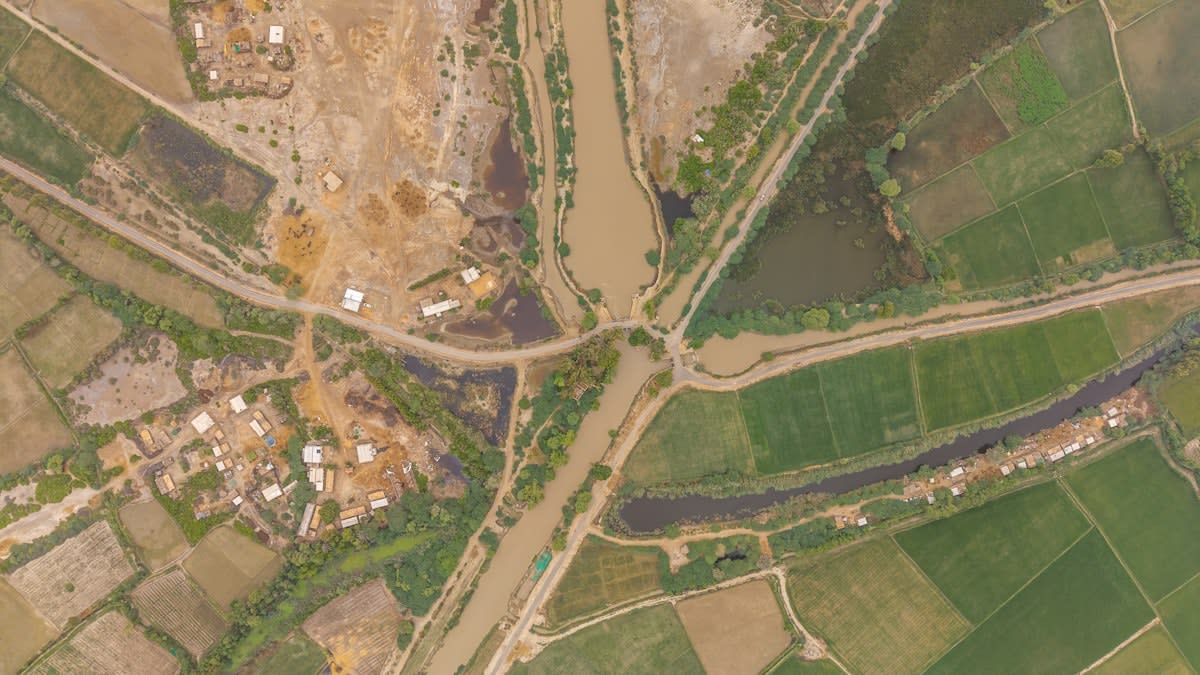
The technical challenge lies in the quality of the recharge water. Smart management requires sophisticated filtration to ensure that surface pollutants do not contaminate the aquifer. This has led to a surge in the use of bio-filtration strips and engineered wetlands that scrub the water before it reaches the water table. The result is a closed-loop system where water is captured, cleaned, stored, and then extracted with precision.
The Economics of Water Banking
As the technology matures, the financial structures surrounding water are evolving. We are seeing the rise of 'Water Banking,' where groundwater is treated as a financial asset. In this model, farmers who recharge more water than they extract earn credits that can be traded or saved for future drought years. This incentivizes conservation and active replenishment, turning a shared resource into a managed portfolio. The market for smart water management tools is reflecting this shift, with valuations for ag-tech water solutions reaching an estimated $15 billion.
- Diversified water portfolios reducing reliance on single-source extraction.
- Lower energy expenditures due to stabilized water tables and reduced pumping depths.
- Enhanced soil salinity management through controlled recharge cycles.
- Predictable crop yield forecasts based on volumetric water banking.
This economic shift moves the conversation away from regulatory restriction and toward market-based optimization. Instead of government mandates telling farmers how much they can pump, the water bank model creates a profit motive for sustainability. When the most profitable action is to recharge the aquifer, the systemic risk of depletion drops precipitously.
The global agricultural sector is no longer waiting for the wells to run dry. By integrating satellite intelligence, IoT precision, and active recharge strategies, the industry is building a resilient infrastructure that can withstand the volatility of the coming decades. The Deep Water Pivot is a testament to human adaptation, proving that with the right data and the right incentives, we can transition from depleting our future to securing it.