CBI files FIR against Punjab CM Bhagwant Mann’s OSD, 5 other; What are the charges?
Source Entity
Latest News: Todays Latest News Headlines from India & World | Hindustan Times | Hindustan Times
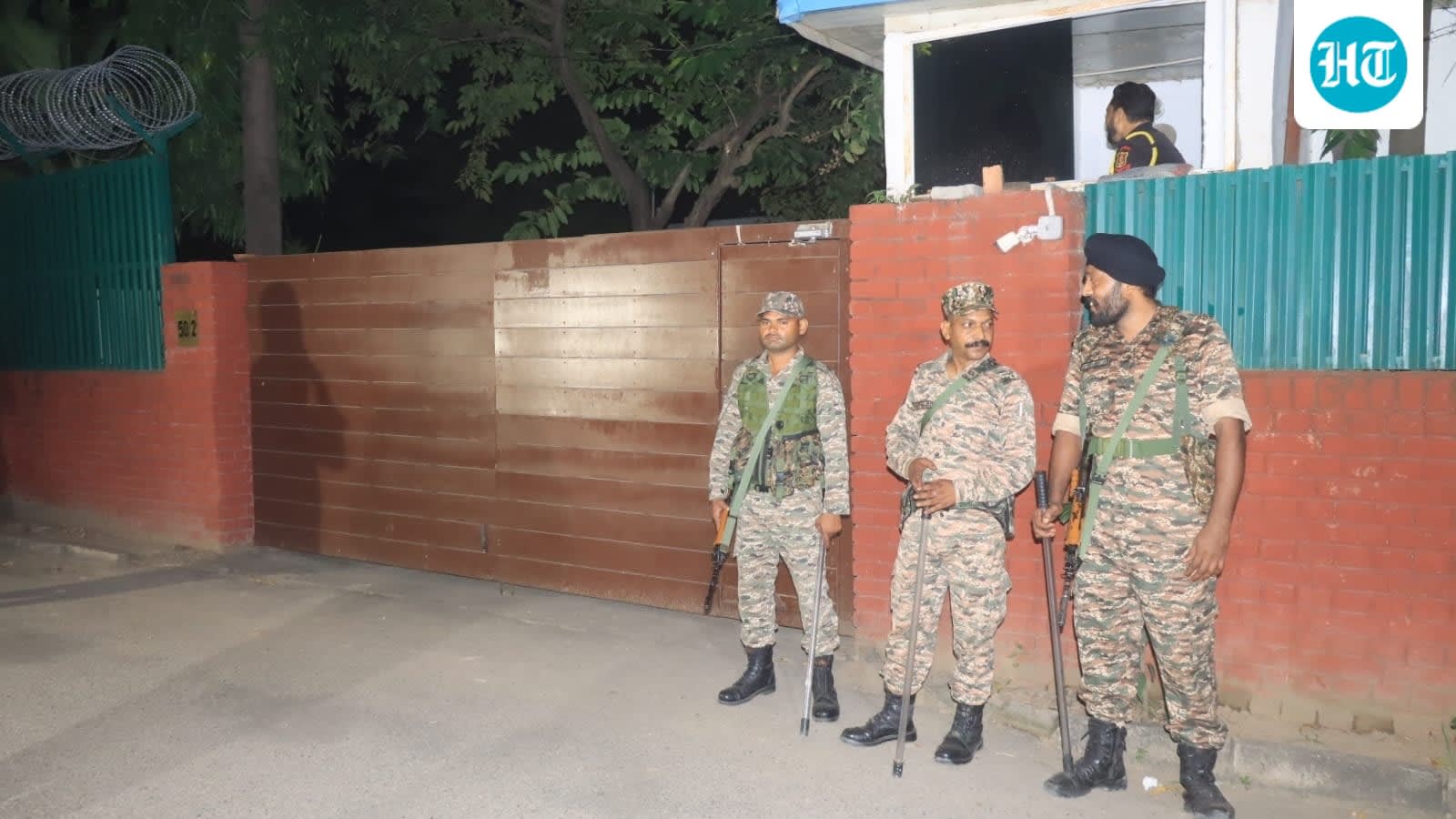
The Supreme Court has agreed to hear an urgent petition from the Punjab government challenging a High Court order that mandates a CBI probe into the Chief Minister's office. This legal battle follows extensive CBI raids targeting CM Bhagwant Mann's OSD and other associates over alleged corruption and cash-for-transfer schemes.
Legal Confrontation: Punjab Challenges CBI Probe
The Supreme Court of India has moved to address an urgent plea filed by the Punjab government, which contests a High Court directive ordering the Central Bureau of Investigation (CBI) to initiate a criminal probe into the office of Chief Minister Bhagwant Mann. This legal challenge underscores a deepening friction between state governance and central investigative agencies, raising fundamental questions about the balance of power within India's federal structure.
The Scope of Allegations
At the heart of the controversy are serious accusations involving administrative malfeasance, including corruption in government transfers, policy manipulation, and 'cash-for-tenders' schemes. The Enforcement Directorate (ED) has reportedly linked businessman Nitin Gohal to these alleged illicit operations, which have now ensnared the Chief Minister’s Officer on Special Duty (OSD), Rajbir Singh Ghuman, and five other individuals. The CBI has acted on these leads, executing coordinated searches across eight locations, including the Chief Minister's camp office and private residences.
Federalism and Political Timing
Representing the Punjab government, senior advocates Vikas Singh and Shadan Farasat have argued before Chief Justice of India Surya Kant that the High Court’s order infringes upon the principles of federalism. A central pillar of their argument is the sensitive timing of these investigations; with Punjab approaching state elections, the state government contends that the deployment of central agencies risks being perceived as politically motivated interference in the democratic process.
Investigative Developments
The CBI’s recent operations have been extensive, spanning multiple cities including Chandigarh, Mohali, Gurdaspur, Ludhiana, Patiala, Sangrur, and Jalandhar. During these raids, investigators seized incriminating material, including digital devices like laptops and mobile phones, alongside various documents. These items are currently under scrutiny to establish a link between the accused officials and the alleged bribery networks, marking a significant escalation in the investigation.
Broader Implications for State Governance
This situation highlights the precarious nature of administrative oversight in states where the ruling party is in opposition to the central government. By labeling these activities as routine 'administrative matters'—such as staff transfers—rather than criminal conduct, the Punjab government is attempting to limit the reach of the CBI. However, the judiciary's role remains critical in determining whether the allegations cross the threshold from bureaucratic mismanagement into criminal corruption.
Future Trends and Judicial Oversight
The outcome of the Supreme Court hearings will likely set a significant precedent for how and when central investigative agencies can intervene in state-level administrative affairs. As the court weighs the necessity of the CBI probe against the sovereignty of the state government, the ruling will likely serve as a litmus test for the independence of investigative bodies during pre-election cycles. The nation awaits a decision that will either reinforce the autonomy of state administrations or solidify the reach of central oversight in cases of alleged systemic graft.
Multiple Citing Sources
Verification Required?