Tamil Nadu Assembly privilege case: Supreme Court closes proceedings; keeps questions of law open
Source Entity
The Indian Express
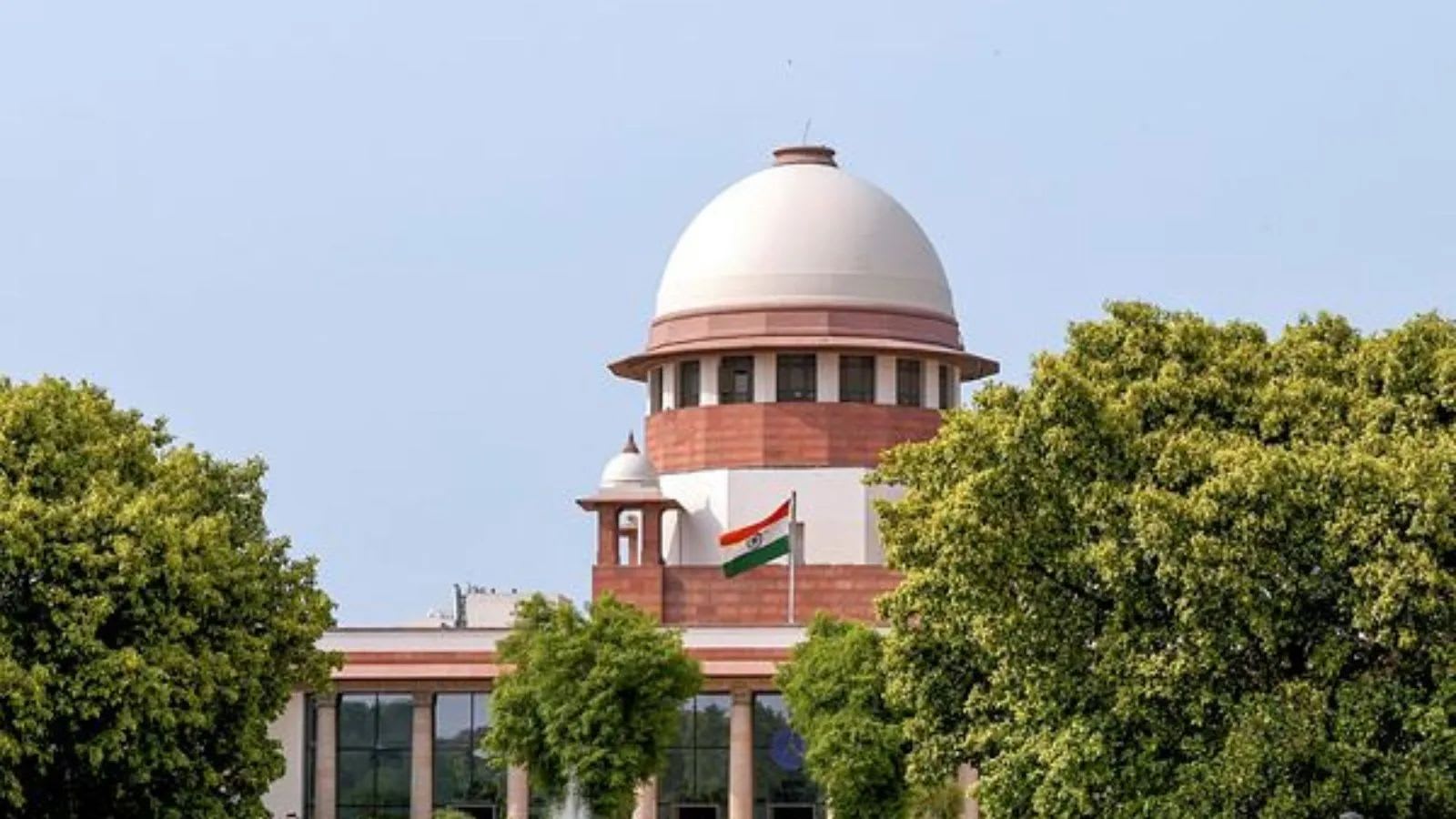
The Supreme Court has disposed of a two-decade-old case regarding legislative privilege versus free speech after learning the underlying 2003 Tamil Nadu Assembly resolution was withdrawn in 2004. While the specific dispute is closed, the court has kept the broader questions of law open for future adjudication.
The Conclusion of a Two-Decade Legal Standoff
On October 6, 2026, a significant chapter in Indian constitutional jurisprudence reached an abrupt conclusion. A seven-judge Bench of the Supreme Court, led by Chief Justice of India Surya Kant, disposed of a case that had remained pending for over twenty years. The matter centered on the contentious intersection of legislative privilege and the fundamental right to free speech, a debate ignited by a 2003 Tamil Nadu Assembly resolution that sought to arrest editors of The Hindu following an editorial critical of then-Chief Minister Jayalalithaa.
The Role of Procedural Clarity
The court’s swift action—taking less than half an hour to resolve the matter—was driven by a procedural revelation. Counsel for the Tamil Nadu Legislative Assembly, senior advocate Raju Ramachandran, informed the Bench that the original 2003 resolution, which had served as the catalyst for the legal reference, had actually been withdrawn by the Assembly as early as 2004. This disclosure rendered the current litigation infructuous, as the specific executive action being challenged no longer existed in the eyes of the law.
Legislative Privilege vs. Freedom of the Press
At the heart of this case lies the delicate balance between the powers, privileges, and immunities of state legislatures and the constitutional guarantee of freedom of the press. The 2003 incident was a landmark moment where the state used its legislative authority to initiate punitive measures against journalists, prompting a national debate on whether such privileges could be wielded to suppress political dissent or critical journalism. By keeping the case alive for two decades, the judiciary had signaled the gravity of the constitutional questions involved.
The 'Open Question' Doctrine
Despite disposing of the case, the Supreme Court took the strategic decision to keep the underlying questions of law open. This implies that while the court did not issue a definitive ruling on the specific conflict between the Assembly and the newspaper, it recognized that the constitutional tension remains a live issue. By declining to rule on the merits of the now-withdrawn resolution, the court avoided an unnecessary confrontation while reserving its authority to address the broader principles of legislative overreach in a future, more relevant context.
Broader Implications and Future Trends
This resolution underscores a growing trend in the Indian judiciary to prioritize the resolution of active, current controversies over the continued litigation of matters that have lost their practical utility. However, the decision not to settle the law means that journalists and legislatures remain in a state of constitutional ambiguity. As media landscapes evolve and the pressure on free speech continues to be a subject of intense scrutiny, the Supreme Court’s decision to leave the legal questions open suggests that a future bench will eventually have to provide a definitive standard for when legislative privilege ends and protected speech begins.
Summary of Judicial Prudence
The closing of these proceedings serves as a reminder of the complexities inherent in balancing democratic institutions. While the 2003 resolution is now a matter of history, the shadow of the case has influenced media-state relations for twenty years. The Supreme Court's measured approach ensures that while the specific grievance is settled, the constitutional safeguard remains available, ready to be invoked when a more contemporary case forces the hand of the law to define the limits of power.