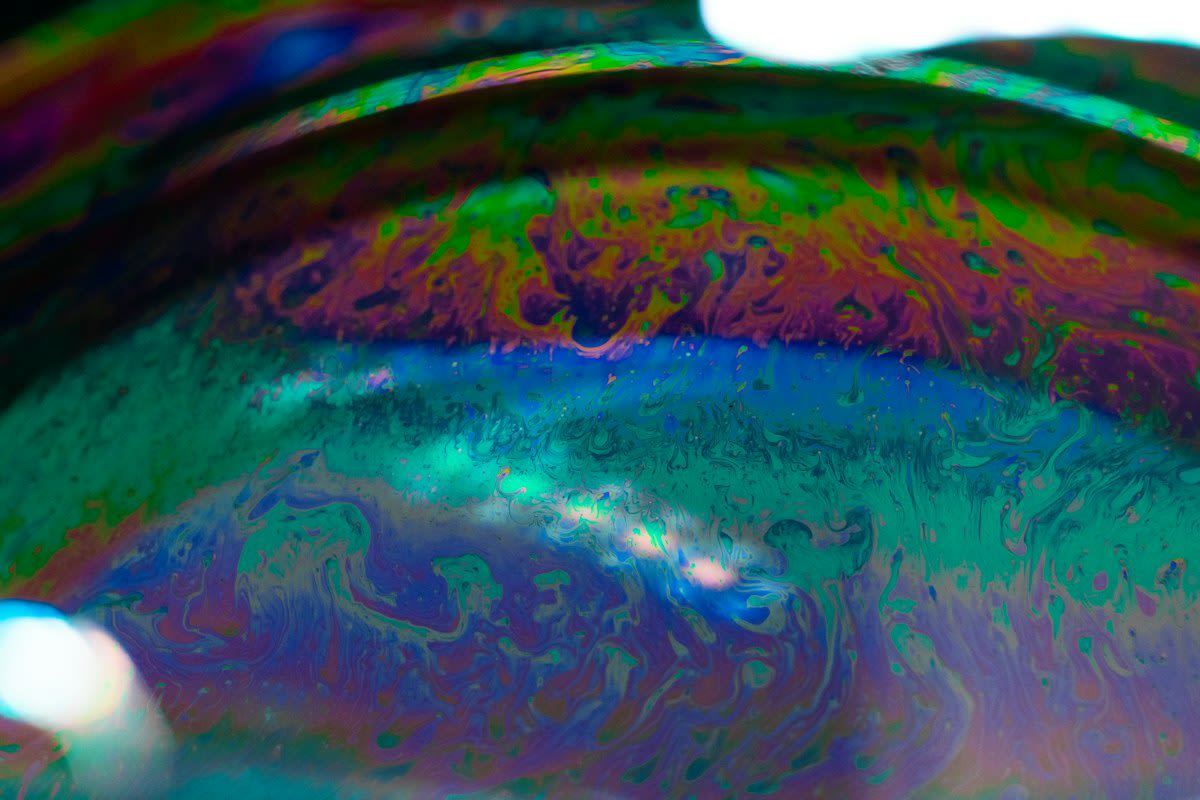
Do we really believe a sterile laboratory in New Jersey can out-engineer a thousand-year-old vat of fermented leaves? Most industry executives do. They treat natural dyeing as a boutique luxury, a niche for artisans who enjoy the smell of decaying plant matter. This is a mistake. The reliance on synthetic petroleum-based polymers and hazardous chemical dyes is not a mark of progress, but a mechanical failure of imagination. We have traded biological intelligence for a chemistry that poisons the very water we drink.
The current default is brittle. Traditional textile manufacturing relies heavily on synthetic petroleum-based polymers, such as polyester and nylon, alongside resource-intensive crops (Source: Just Agriculture, 2026). This process does not just consume energy; it actively degrades the environment by releasing hazardous heavy metals and aromatic amines into aquatic habitats (Source: Just Agriculture, 2026). These are not mere side effects. They are the fundamental cost of a production model that prioritizes speed over stability.
The Biochemistry of the Vat
Indigo does not simply stick to fabric. It requires a transformation. The process begins with maceration or fermentation, which degrades the plant matter to allow glucosidase to mix with the indican glucoside (Source: Wylie Urban Farm, n.d.). This enzyme then breaks down the indican, producing the soluble form of the dye that can actually penetrate the fiber. It is a precise, biological sequence. If the temperature drops or the pH swings, the vat dies.
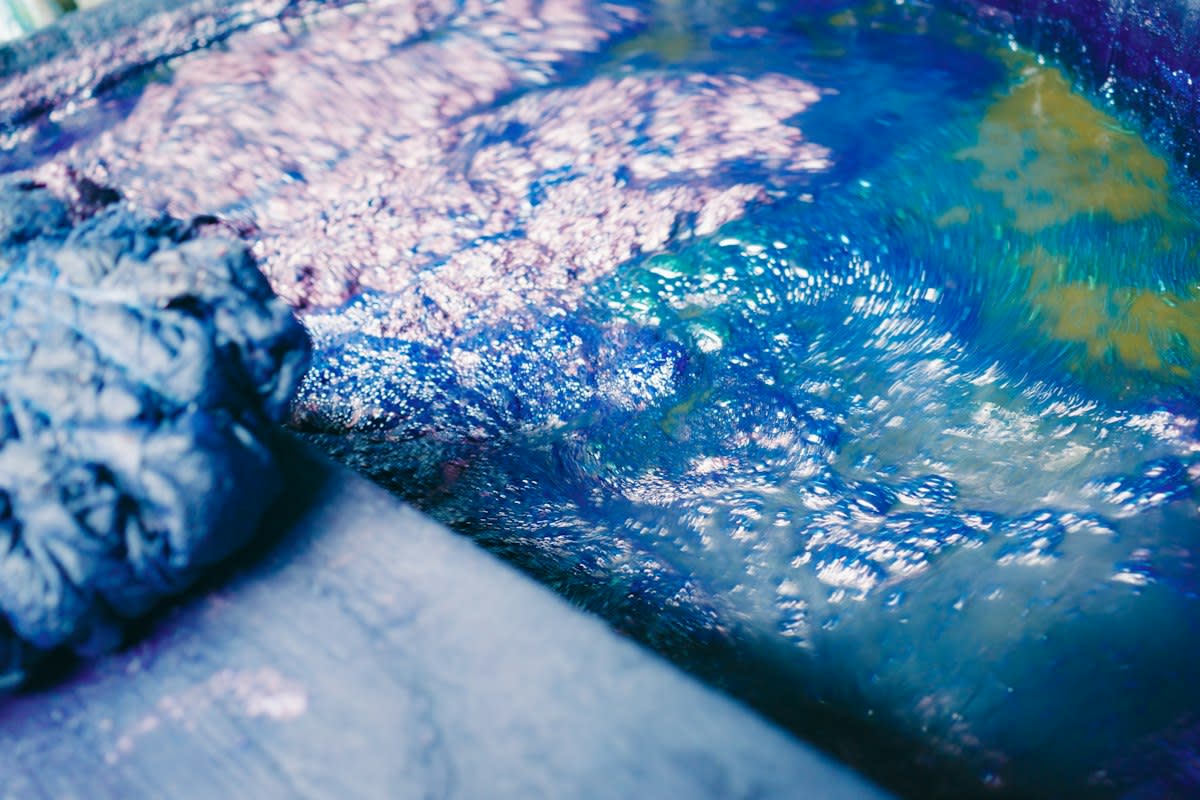
Why does this matter now? Because the synthetic alternative is a chemical nightmare. Synthetic dyeing releases non-biodegradable effluents that settle into riverbeds and oceans (Source: Just Agriculture, 2026). These persistent bioaccumulative toxics (PBTs) are designed for industrial needs but fail miserably at the point of disposal (Source: Puget Sound Science Update, 2026). They stay in the environment. They build up in the food chain. They do not disappear.
"Valorizing agricultural residues offers a viable strategy to replace petroleum feedstocks with biodegradable alternatives."— Juneja, Researcher cited in Just Agriculture (2026)
The logic is simple. Use what is already there. Plant-derived dyes currently represent approximately 90% of all natural dyes used in textile applications (Source: Just Agriculture, 2026). These are not limited to indigo. They include a wide array of bioactive chromophores such as flavonoids, anthocyanins, carotenoids, tannins, and quinones (Source: Just Agriculture, 2026). These molecules can be extracted from roots, leaves, flowers, and even agricultural waste residues.
| Feature | Synthetic Dyeing | Ancient Fermentation |
|---|---|---|
| Feedstock | Petroleum-based polymers | Plant-derived biomass |
| Environmental Impact | Heavy metals & aromatic amines | Biodegradable effluents |
| Chemical Mechanism | Synthetic catalysts | Enzymatic (Glucosidase) |
| Waste Profile | Persistent Bioaccumulative Toxics | Organic agricultural residue |
The shift toward biological dyes is not a regression. It is an optimization. By utilizing fungal mycelium grown on rice straw or sawdust, the industry can create dense 3D fibrous mats as biodegradable alternatives to bovine and synthetic leathers (Source: Just Agriculture, 2026). This is the real opportunity. We are talking about a complete replacement of the petroleum supply chain with one based on agricultural waste.
But the transition is not clean. I have sat in the rooms where these debates happen. There is a visceral clash between the artisan purists and the industrial engineers. The purists insist on slow, traditional fermentation, arguing that the soul of the color is in the wait. The engineers want to isolate the glucosidase enzyme and spray it on fabric in a high-speed industrial pipeline. They want the result without the process. This internal dispute is the primary reason natural indigo hasn't scaled; the industry cannot decide if it wants a biological system or a chemical mimic.
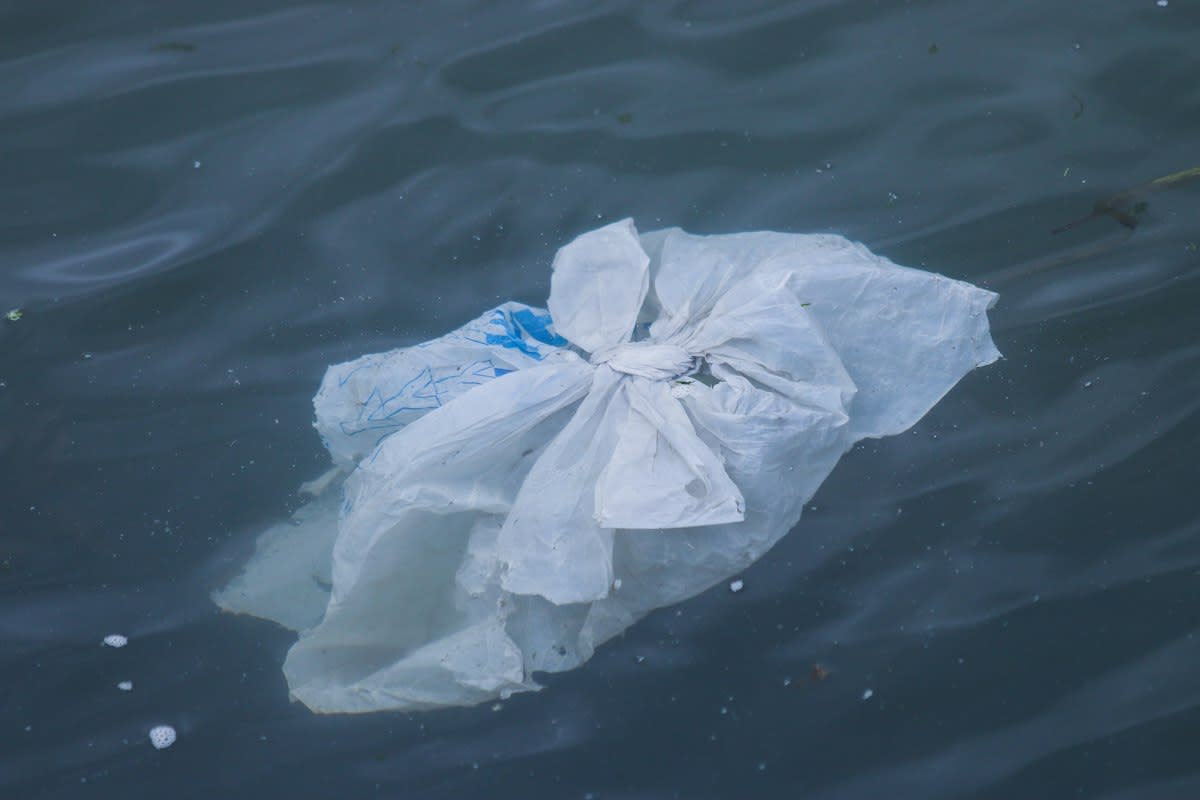
Consider the scale of the pollution. In various watersheds, the combination of urbanization and industrial agriculture has already decreased biodiversity due to reduced water quality (Source: Puget Sound Science Update, 2026). When you add synthetic textile dyes to this mix, you accelerate the collapse. The heavy metals used in synthetic indigo vats don't just vanish; they saturate the sediment, creating a toxic legacy that lasts for decades.
Is the industry ready to let go of the petroleum grip? Probably not. The infrastructure for synthetic polymers is too deeply embedded. However, the weight of the evidence is becoming impossible to ignore. When 90% of natural dyes are already plant-based, the technical hurdle is not the source of the color, but the method of application (Source: Just Agriculture, 2026). We have the ingredients. We just lack the courage to slow down the line.
The future of textiles is not a new chemical. It is an old biological one. By valorizing residues and returning to enzymatic fermentation, we can suture the gap between production and ecology. It requires a willingness to accept a slightly more volatile process in exchange for a world where our clothes don't poison our water.
Fact-Check & Accuracy Note
This analysis relies on data from the Just Agriculture multidisciplinary newsletter (2026) and the Puget Sound Science Update (2026). A key area of academic debate remains the scalability of enzymatic fermentation compared to synthetic reduction methods. While biological dyes are biodegradable, the land-use requirements for large-scale dye-crop production are still being contested by agricultural economists.