Necessary Infrastructure and Materials
Successful salt extraction requires more than just freshwater application; it demands a controlled environment where sodium can be physically moved out of the root zone. Practitioners must secure high-precision Electrical Conductivity (EC) meters capable of measuring soil saturation extracts to establish a baseline salinity map. For the physical extraction phase, perforated High-Density Polyethylene (HDPE) drainage pipes are mandatory to prevent soil collapse while allowing brine to exit. Chemical amendments, specifically agricultural-grade gypsum (Calcium Sulfate), are required to displace exchangeable sodium ions from soil particles. Without these materials, freshwater application often leads to soil dispersion and anaerobic conditions, effectively sealing the soil and trapping salts deeper in the profile.
Hardware Warning
Ensure all drainage pipes are wrapped in a geotextile filter fabric. This prevents the migration of fine silt and clay into the pipe, which would otherwise cause system failure within two growing seasons.
The Execution Sequence
- Conduct high-resolution EC mapping on a 20x20 meter grid to identify salinity hotspots.
- Install subsurface drainage tiles at a depth of 1.2 to 1.5 meters to create a hydraulic exit.
- Apply gypsum amendments based on the Cation Exchange Capacity (CEC) of the soil.
- Execute a controlled leaching phase using low-salinity water to flush displaced sodium.
- Plant halophytic buffer crops to bio-extract residual surface salts.
The first phase centers on spatial intelligence. Mapping is not a cursory glance but a rigorous sampling process. In the Mekong Delta of Vietnam, practitioners have found that salinity varies wildly over just a few meters due to micro-topography. By using a 20x20 meter grid, operators can identify exactly where the soil is sodic versus merely saline. This allows for the targeted application of gypsum, reducing waste and preventing the over-application of minerals that could lead to nutrient imbalances. Why waste resources on a plot that is already leaching naturally?
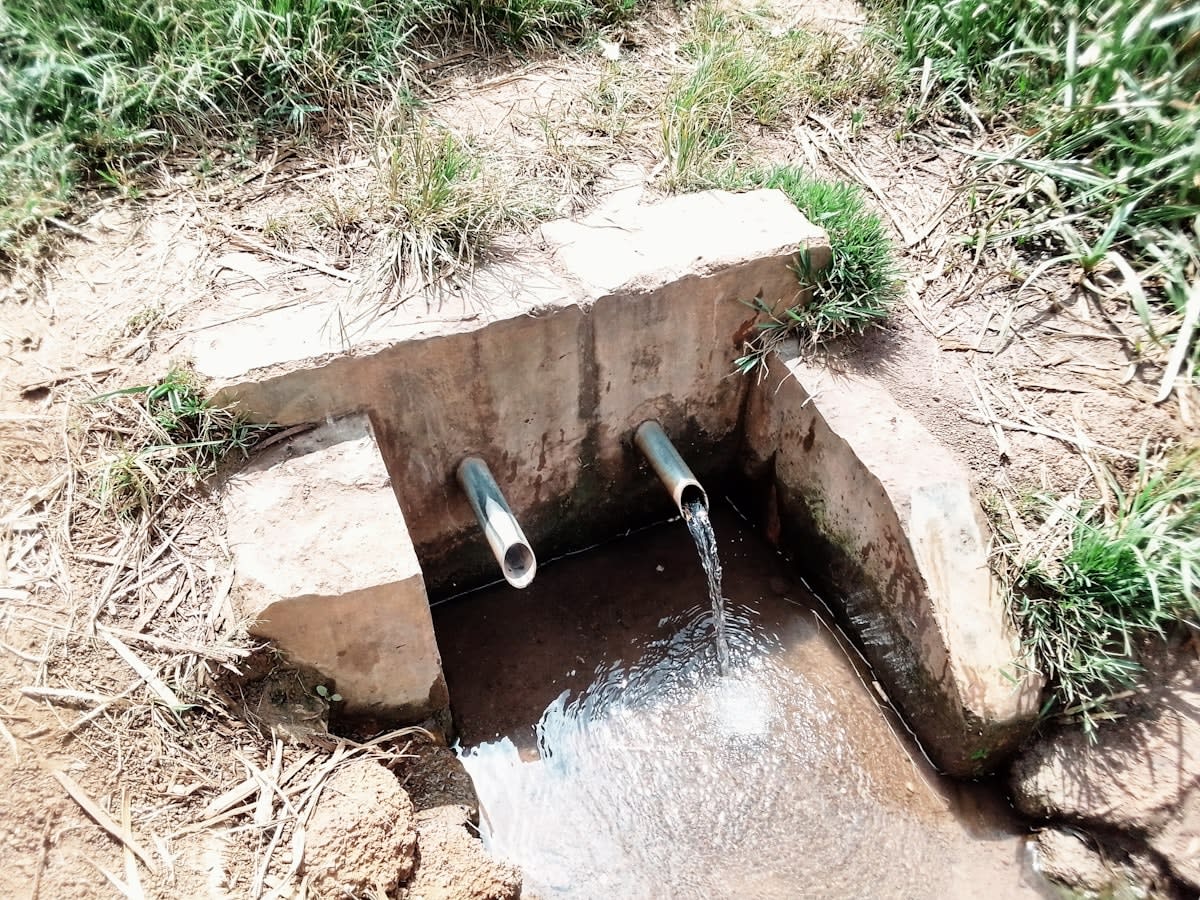
Once the map is established, the physical infrastructure must be laid. Subsurface drainage is the engine of salt extraction. By installing perforated pipes at a depth of 1.2 meters, you create a pressure gradient that pulls salt-laden water away from the root zone. In the Zeeland province of the Netherlands, this method has proven essential for maintaining polder productivity. The pipes must be graded at a minimum slope of 0.1% to ensure gravity-fed flow toward a central collection sump. If the slope is insufficient, the system becomes a stagnant reservoir, exacerbating the very salinity it was meant to solve.
Chemical intervention follows the physical setup. Sodium ions cling to clay particles, creating a dispersed soil structure that resists water penetration. Gypsum (CaSO4) introduces calcium ions, which have a stronger affinity for these clay sites than sodium does. As calcium replaces sodium on the soil exchange complex, the sodium is released into the soil solution as sodium sulfate. This chemical displacement is the only way to treat sodic soils; simply adding water to a sodic soil without calcium often results in a concrete-like surface crust that kills any attempt at crop establishment.
"The mistake most operators make is treating salinity as a water problem when it is actually a chemistry problem. If you do not displace the sodium first, you are just watering a salt-block."— Dr. Elena Moretti, Soil Chemist
Leaching is the final active removal step. With the sodium now displaced into the soil solution by the gypsum, a calculated volume of freshwater must be applied to flush these ions into the drainage pipes. The leaching fraction—the proportion of applied water that passes through the root zone—must be precisely calculated based on the irrigation water's own salinity. In the Casamance region of Senegal, failing to calculate the leaching fraction often leads to secondary salinization, where the water evaporates and leaves behind a concentrated layer of salt at the surface.
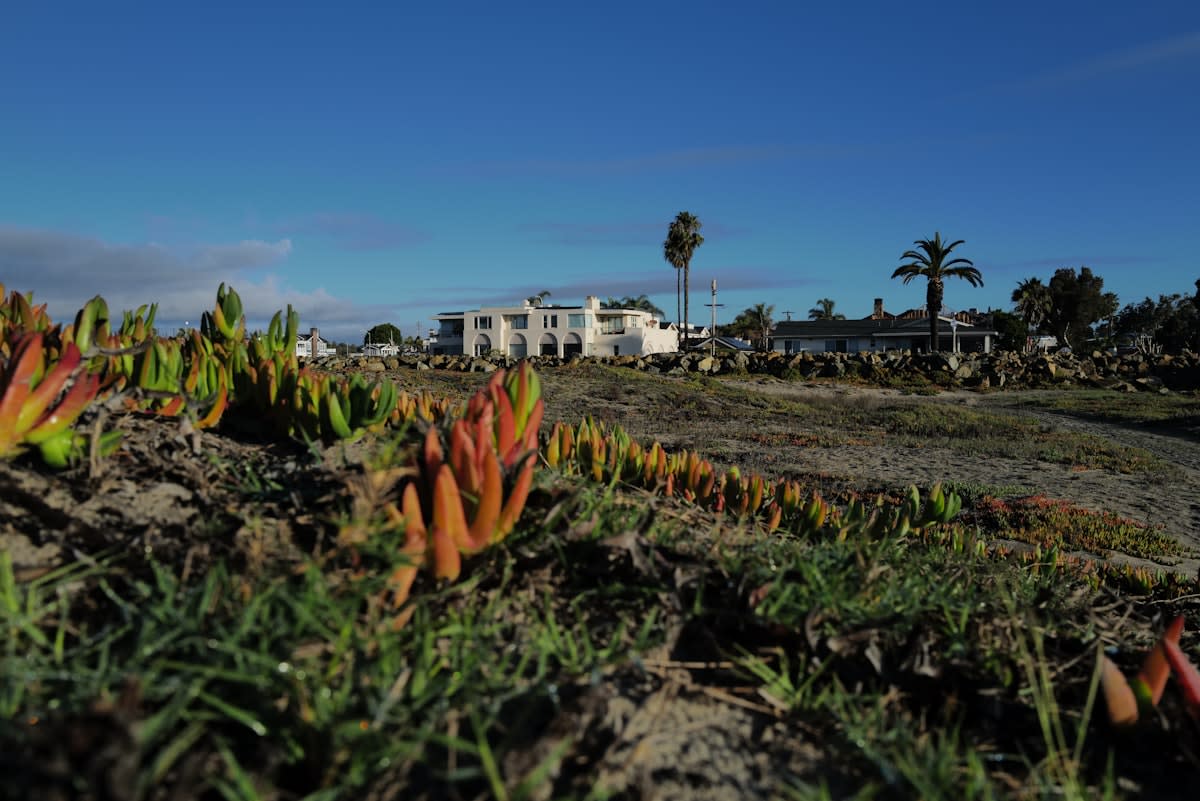
To maintain the resilience of the system, biological extraction acts as a tertiary filter. Planting halophytes such as Salicornia or Suaeda in buffer zones around the primary crop area creates a biological pump. These plants actively sequester salts into their tissues, which are then harvested and removed from the site. This process prevents the lateral migration of salts back into the reclaimed zones. It is an elegant solution that transforms a waste product—salt—into a potential gourmet crop or industrial feedstock.
Quantifying Extraction Efficiency
| Soil EC (dS/m) | Typical Yield Loss | Required Gypsum (t/ha) | Leaching Requirement (%) |
|---|---|---|---|
| 4-8 | 20-30% | 2-5 | 15% |
| 8-16 | 50-70% | 5-12 | 25% |
| 16+ | 90-100% | 15+ | 40% |
The data above illustrates the non-linear relationship between soil salinity and productivity. A jump from 4 to 8 dS/m in Electrical Conductivity does not merely double the problem; it can trigger a collapse in yield for sensitive crops like maize or soybeans. The required gypsum application must scale accordingly to ensure enough calcium is present to displace the increased sodium load. Note that as the EC exceeds 16 dS/m, the leaching requirement spikes to 40%, meaning nearly half of all irrigation water is dedicated solely to salt removal rather than plant growth.
Energy costs for these systems vary based on the water source. If using desalinated water for leaching, costs can reach 12-15 kWh per cubic meter. However, by using rainwater harvesting and gravity-fed drainage, the operational expenditure drops significantly. The goal is to reach a steady state where the salt extraction rate equals or exceeds the salt intrusion rate from the coast. This balance is the only way to ensure long-term crop resilience in the face of rising sea levels.
Common Pitfalls
- Over-leaching: Applying excessive water without adequate drainage, which raises the water table and brings salts back to the surface via capillary action.
- Ignoring Soil Texture: Applying the same leaching volume to sandy and clay soils; clay requires significantly more time and chemical intervention due to lower hydraulic conductivity.
- Neglecting the Sump: Failing to clear sediment from the central collection sump, leading to back-pressure in the drainage pipes.
- Applying Gypsum to Non-Sodic Saline Soils: Adding calcium to soil that is saline but not sodic can cause unnecessary mineral buildup without improving soil structure.
The most frequent failure in coastal reclamation is the ignorance of the capillary fringe. When the water table is too high, saltwater is pulled upward through the soil pores as the surface dries. This renders the most expensive drainage systems useless if the external water table is not managed. Practitioners must ensure that the drainage system lowers the water table to at least 1.5 meters below the surface during the peak growing season. Without this vertical separation, the soil will re-salinize within a single season, erasing all progress made during the leaching phase.