
The Great Reclassification
Why are we still calling it waste? For decades, the global food industry viewed the leftovers of production—the husks, the peels, the whey, the pomace—as a logistical headache to be mitigated. The goal was simple: move it out of the facility as cheaply as possible. But a seismic shift is occurring in how we define value. We are moving away from the era of waste management and entering the era of valorization. In this new paradigm, a discarded orange peel isn't trash; it is a complex matrix of pectin and essential oils waiting for a refinery.
The delta between where we stood twelve months ago and today is stark. Last year, the conversation centered on efficiency and reduction—how to stop wasting food before it happens. While that remains critical, the current momentum has pivoted toward the extraction of high-value molecules from what remains. We aren't just talking about composting or anaerobic digestion to create low-grade energy. We are talking about precision biorefineries that turn agricultural side-streams into bioactive peptides, natural preservatives, and biodegradable polymers. The objective has shifted from 'doing less harm' to 'creating more value'.
Defining the Shift
Valorization is the process of transforming a waste material into a product of higher value. It is the difference between burning a corn stalk for heat (low value) and extracting xylan for use in pharmaceutical coatings (high value).
This transition is playing out across diverse geographies with varying intensities. In Southeast Asia, the race is on to transform palm oil mill effluent into organic acids. In Europe, the focus has shifted toward the 'upcycled' certification, turning spent brewery grains into high-protein flour for the baking industry. Meanwhile, in South America, the massive volume of sugarcane bagasse is being reimagined not just as fuel, but as a source for nanocellulose. The common thread? A global realization that the most affordable raw materials are the ones we already paid for once and then threw away.
Climbing the Value Ladder
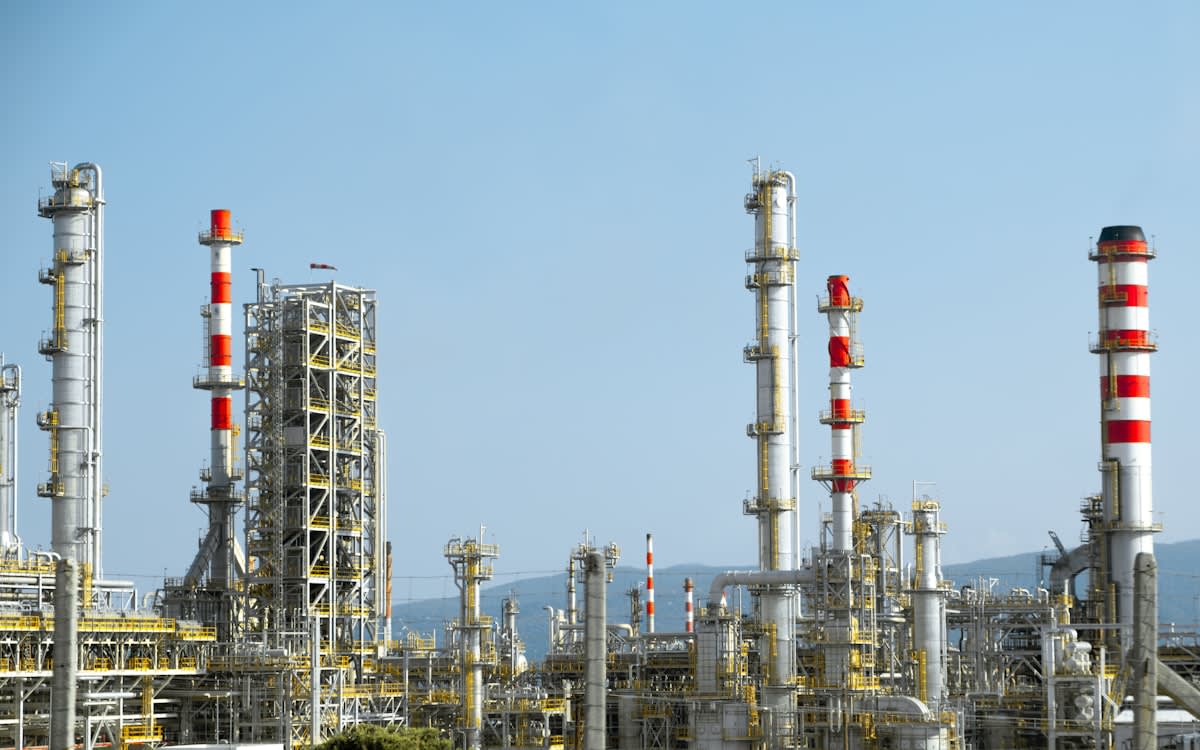
To understand the economic urgency, one must look at the value ladder of organic matter. At the bottom, you have landfilling, which is a pure cost. Slightly higher is composting, which provides a modest environmental benefit but negligible financial return. Above that sits anaerobic digestion for biogas—a steady, low-margin energy play. But the real gold is at the top: the extraction of specialty chemicals and functional ingredients. When a company extracts antioxidants from grape seeds or omega-3s from fish processing waste, the price per kilogram jumps from cents to hundreds of dollars.
| Valorization Level | Typical Output | Economic Value | Technical Complexity |
|---|---|---|---|
| Level 1: Disposal | Landfill/Incineration | Negative (Cost) | Low |
| Level 2: Recovery | Compost/Animal Feed | Low | Low |
| Level 3: Energy | Biogas/Ethanol | Medium | Medium |
| Level 4: Valorization | Specialty Proteins/Lipids | High | High |
| Level 5: Advanced | Pharmaceuticals/Bioplastics | Very High | Very High |
The technical leap enabling this climb is precision fermentation and enzymatic hydrolysis. We no longer rely on crude heat or pressure. Instead, we use engineered microbes to 'eat' the waste and 'excrete' a specific, high-value molecule. This allows producers to target specific proteins or vitamins that were previously impossible to isolate economically. The result is a decoupled supply chain where the production of a high-end ingredient no longer requires the cultivation of a new crop, but simply the better processing of an existing one.
Does this mean the end of traditional agriculture? Hardly. It means the end of the 'single-stream' harvest. The future is the biorefinery model, where every single part of the plant or animal is utilized. If you are only selling the fruit and discarding the peel, you are leaving 30% of your potential revenue on the factory floor. The industry is waking up to this inefficiency with a sense of urgency that borders on panic.
"We are moving from a linear economy of 'take-make-waste' to a circular economy of 'take-make-regenerate'. The most profitable companies of the next decade will be those that can find value in what others consider a liability."— Industry Analyst, Circular Bioeconomy Forum
This financial pivot is further accelerated by a shift in consumer psychology. A year ago, 'upcycled' was a niche term used by eco-conscious startups. Today, it is becoming a mainstream marketing claim. Consumers are increasingly willing to pay a premium for products that explicitly state they were made from rescued ingredients, provided the quality is indistinguishable from the original. This creates a pull-effect, encouraging large-scale food processors to invest in the technology required to upgrade their waste streams.
The Infrastructure Bottleneck
Despite the molecular potential, a massive logistical gap remains. You cannot run a precision biorefinery on a sporadic trickle of scraps. Valorization requires consistent, high-volume, and uncontaminated feedstocks. This is where the current race is being won or lost. The winners aren't necessarily the ones with the best chemistry, but those with the best collection networks. We are seeing the rise of 'waste aggregators'—companies that specialize in the hyper-efficient sorting and stabilization of organic side-streams to ensure they don't rot before they hit the refinery.
The risk of greenwashing is also looming. As 'upcycled' becomes a buzzword, some firms are simply rebranding existing low-value processes as 'valorization' to capture the sustainability premium. The industry desperately needs standardized metrics to differentiate between true molecular upcycling and simple waste diversion. Without rigorous certification, the market risks a bubble where the perceived value of 'rescued' ingredients outstrips their actual functional utility.
Moreover, the regulatory landscape is finally catching up. In the EU, the Green Deal is pushing for a drastic reduction in landfilling, effectively taxing waste and making valorization the only viable economic path. In other regions, government subsidies for bio-based plastics are turning agricultural waste into a strategic national asset. The transition is no longer optional; it is being mandated by both the balance sheet and the law.
- Shift from 'Waste Reduction' to 'Value Creation' as the primary KPI.
- Transition from low-value energy (biogas) to high-value biochemicals (proteins, lipids).
- Integration of precision fermentation to isolate specific bioactive molecules.
- Rise of the 'Upcycled' consumer label as a driver for market demand.
- Movement toward biorefinery models where 100% of the biomass is utilized.
Looking ahead, the next twelve months will likely see a surge in mergers between traditional waste management firms and biotech startups. The marriage of logistics and molecular science is the only way to scale these solutions. We are witnessing the birth of a new industrial sector: the organic refinery. In this world, the term 'waste' will eventually become an archaism, a relic of a time when we were too blind to see the value in our own scraps.