Kevin O'Leary sold his software company for $4.2 billion, so why did he only walk away with about $11 million?
Source Entity
Yahoo Finance
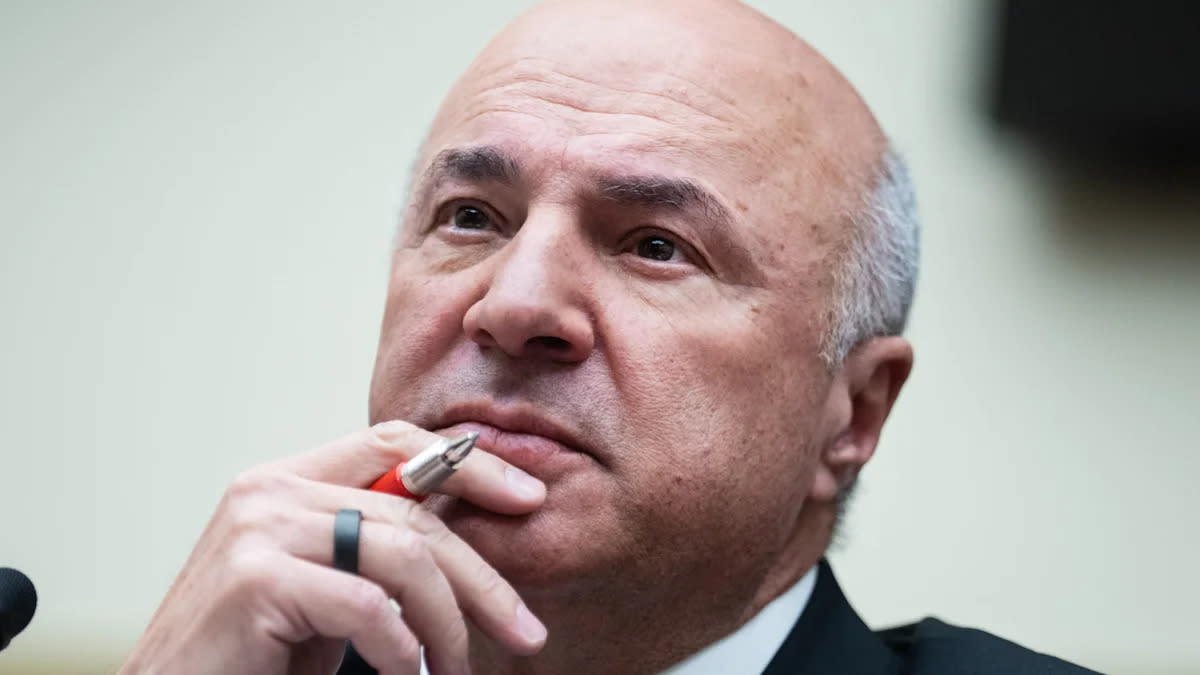
Kevin O'Leary's $4.2 billion sale of The Learning Company to Mattel in 1999 resulted in a personal payout of approximately $11.2 million. This discrepancy highlights how equity dilution and ownership stakes drastically alter the actual proceeds founders receive compared to total deal valuations.
The $4.2 Billion Illusion: Deconstructing O'Leary's Exit
When headlines announce multi-billion dollar acquisitions, the public often assumes the founders walk away with the lion's share of the wealth. However, the 1999 acquisition of The Learning Company (TLC) by Mattel serves as a masterclass in the realities of corporate finance, where a headline-grabbing $4.2 billion valuation resulted in a significantly more modest $11.2 million payout for Kevin O'Leary. This stark contrast illustrates the complexities of equity distribution and the difference between enterprise value and individual shareholder proceeds.
The Mechanics of Equity Dilution
At the heart of this financial discrepancy is the concept of ownership stakes. While O'Leary was instrumental in building SoftKey—which eventually evolved into The Learning Company—he did not maintain majority ownership by the time the company was sold. In the world of venture-backed software development, founders often trade significant portions of their equity for capital to fuel aggressive growth and acquisitions. By the time Mattel entered the picture, O'Leary’s percentage of total shares had been diluted through various funding rounds and the rapid expansion of the company.
Stock-Based Compensation and Market Realities
It is important to note that the $4.2 billion figure was largely a stock-based deal. In the late 1990s, the tech bubble was nearing its peak, and valuations were often inflated by speculative market sentiment. When a company is acquired via stock, the actual value received by the seller is tied to the performance and stability of the purchasing company’s share price. If the acquiring firm’s stock experiences volatility or if the market corrects, the perceived value of the deal can evaporate rapidly, leaving stakeholders with far less than the initial headline suggests.
The Gap Between Enterprise Value and Founder Wealth
This event highlights the crucial distinction between enterprise value—the total value of a company’s debt and equity—and the liquid cash realized by an individual founder. For investors and onlookers, the $4.2 billion figure represented the size and influence of The Learning Company in the software market. However, for O'Leary, the final $11.2 million reflects the specific value of his residual equity stake at the time of the close. This reality is a common occurrence in the business world, where founders often hold minority stakes in their own creations.
Lessons for Future Entrepreneurs
For modern entrepreneurs, the O'Leary-Mattel case serves as a cautionary tale regarding the importance of cap table management. While securing capital is essential for scaling, founders must remain cognizant of how much equity they are parting with. The pursuit of a 'unicorn' status or a massive acquisition price can sometimes obscure the fact that the actual personal wealth generated depends entirely on the percentage of the company one owns at the moment of exit.
Conclusion
Ultimately, the story of Kevin O'Leary’s exit from The Learning Company is not one of failure, but rather a realistic look at how corporate acquisitions function. While $11.2 million remains a significant sum, it serves as a reminder that the 'headline price' of an acquisition is rarely an accurate proxy for the wealth transferred to the founders. Understanding the nuances of equity, dilution, and deal structure is essential for anyone looking to navigate the high-stakes world of mergers and acquisitions.