30 years after ‘Rs 300 bribe’ charge, MP High Court backs acquittal of land revenue officer
Source Entity
Richa Sahay
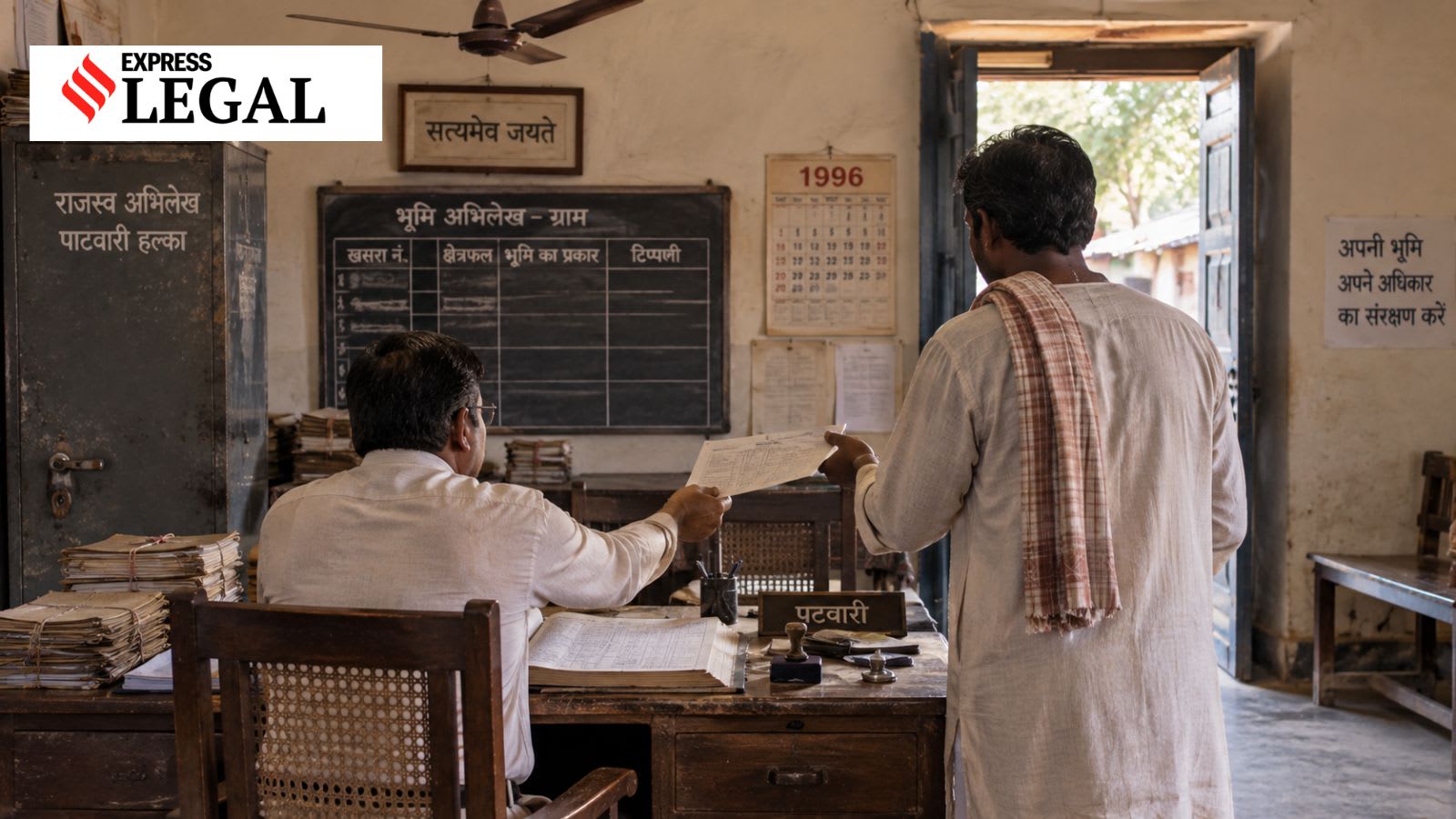
The Madhya Pradesh High Court recently addressed two long-standing legal disputes, quashing a 60-year-old land ceiling case due to procedural errors and upholding the acquittal of a revenue officer in a 30-year-old bribery case. Both rulings emphasize the court's commitment to due process and the insufficiency of circumstantial evidence in legal proceedings.
Judicial Rectification: Analyzing Two Landmark Madhya Pradesh High Court Rulings
The Erosion of Procedural Integrity
In a significant display of judicial oversight, the Madhya Pradesh High Court has intervened in two distinct, decades-old legal matters, highlighting the critical importance of procedural adherence. In the first instance, the court quashed a land ceiling proceeding spanning over 60 years. The primary catalyst for this decision was the discovery that authorities had issued legal notices to a deceased individual, effectively rendering the legal process a nullity. This case underscores the necessity of maintaining accurate, updated administrative records, as failure to do so can lead to decades of litigation that ultimately collapses under the weight of fundamental procedural errors.
Principles of Natural Justice
Justice Sandeep N Bhatt’s ruling regarding the 1,501 bighas of land in Banediya village serves as a stern reminder to administrative bodies. By noting that the authorities acted in a 'mechanical manner' and violated the principles of natural justice, the court highlighted that the denial of relevant documents and the absence of reasoned orders are unacceptable. When state authorities bypass these safeguards, they not only jeopardize property rights but also undermine public trust in the bureaucratic process. This ruling reinforces the legal standard that administrative efficiency cannot come at the expense of fairness and transparency.
The Burden of Proof in Corruption Cases
Parallel to the land ceiling dispute, the court’s decision to uphold the acquittal of a land revenue officer in a 30-year-old bribery case shifts the focus to the threshold of criminal evidence. The case, involving a meager sum of Rs 300, serves as a cautionary tale for state prosecution. Justice Sanjeev S Kalgaonkar’s observation that the recovery of cash alone is insufficient to prove bribery—especially when the complainant owed Rs 325 in government dues—highlights the necessity of establishing clear, irrefutable intent.
Circumstantial Evidence and Witness Credibility
In the bribery appeal, the court placed significant weight on the inconsistencies among witnesses regarding the alleged demand. After three decades of legal deliberation, the court concluded that the state failed to meet the high burden of proof required for a criminal conviction. This decision highlights a recurring trend in Indian jurisprudence: the court’s refusal to allow circumstantial evidence to supersede the need for concrete, corroborated facts, especially when a plausible alternative explanation—such as the collection of legitimate government dues—exists.
Broader Implications for Administrative Reform
Both rulings collectively point to a systemic need for reform in how the state manages land records and handles anti-corruption investigations. Whether it is the archaic handling of deceased parties in land ceiling cases or the protracted nature of bribery prosecutions, the judicial system is increasingly signaling that justice delayed and justice processed without due diligence is untenable. These cases serve as a catalyst for local government bodies to modernize their record-keeping and exercise greater caution before initiating legal actions that impact private property or individual reputations.
Conclusion: A Legacy of Due Process
Ultimately, the Madhya Pradesh High Court’s recent interventions demonstrate a robust commitment to upholding the rule of law. By dismissing matters that failed to meet basic legal requirements or evidentiary standards, the judiciary is effectively clearing the backlog of cases that have persisted for generations. Moving forward, these precedents will likely serve as a benchmark for ensuring that administrative actions remain grounded in both fact and fairness, preventing the recurrence of such protracted legal disputes.