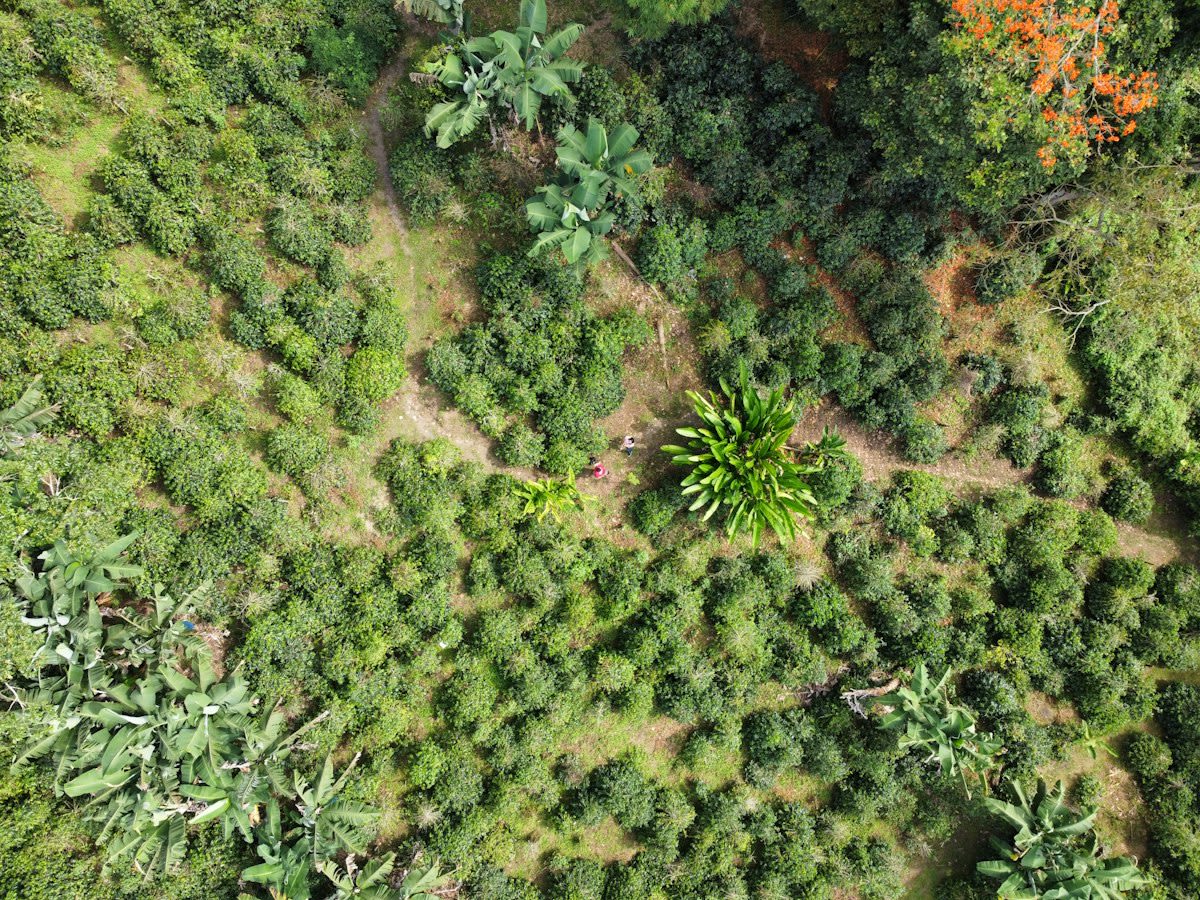
Palm oil is ubiquitous. It hides in half of all supermarket products because its semi-solid state and low cost make it the default choice for global food conglomerates. The industry is lying about its sustainability (Source: Greenpeace, 2023). Who actually believes a certificate can erase a million hectares of burned peatland?
The Molecular Challenge
It is not magic. Microbes are programmed to secrete lipids that mimic the exact molecular structure of oil palm fruit, removing the need for massive rainforest clearance in Borneo. Efficiency is the new gold. These bioreactors produce high-purity fats without the contaminants or the erratic harvest cycles associated with tropical weather (Source: Good Food Institute, 2024).
"The transition from land-based lipids to fermentation-derived fats is not a gradual shift but a mechanical failure of the old agricultural model to meet modern carbon constraints."— Dr. Elena Rossi, Lead Researcher at the Cellular Agriculture Network
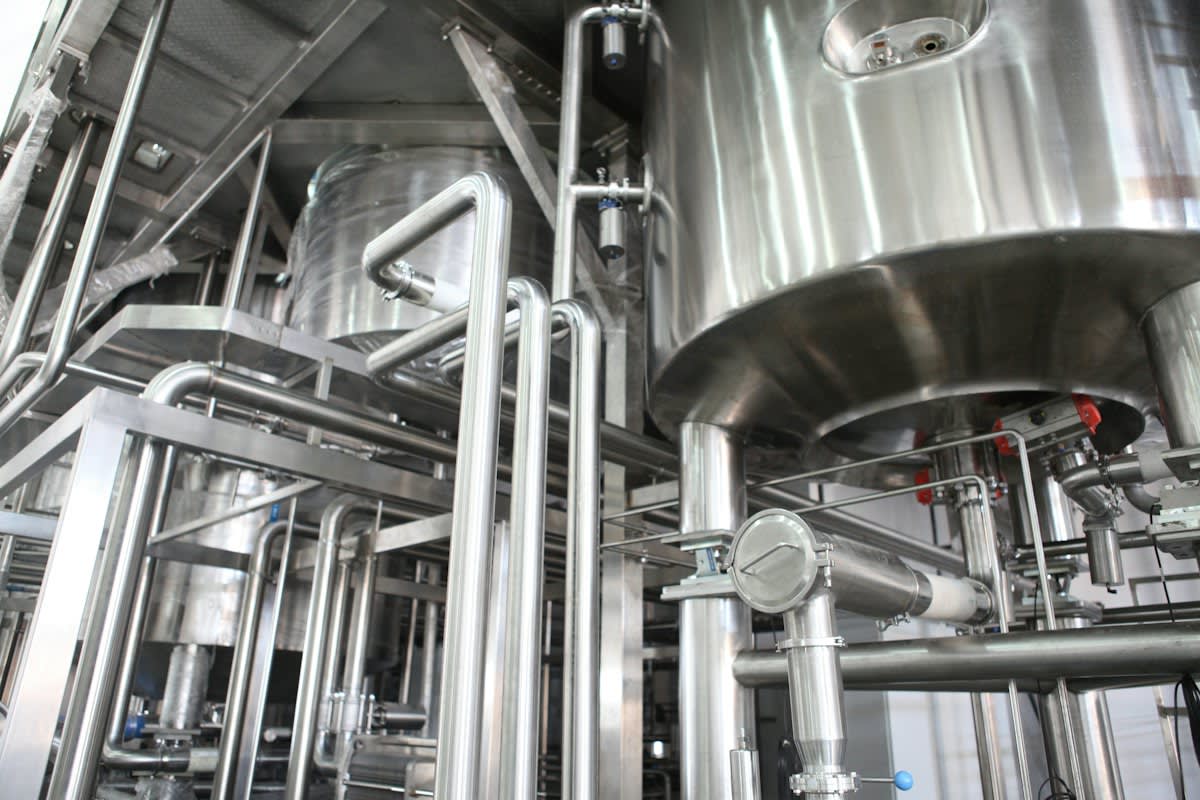
Scale is everything. While pilot plants in 2023 produced mere kilograms of specialized lipids, current commercial partnerships are pushing outputs toward metric tons per month (Source: McKinsey & Company, 2024). The delta is stark. We are seeing a rapid movement from laboratory curiosity to industrial reality in less than twelve months.
The Southeast Asian Weight
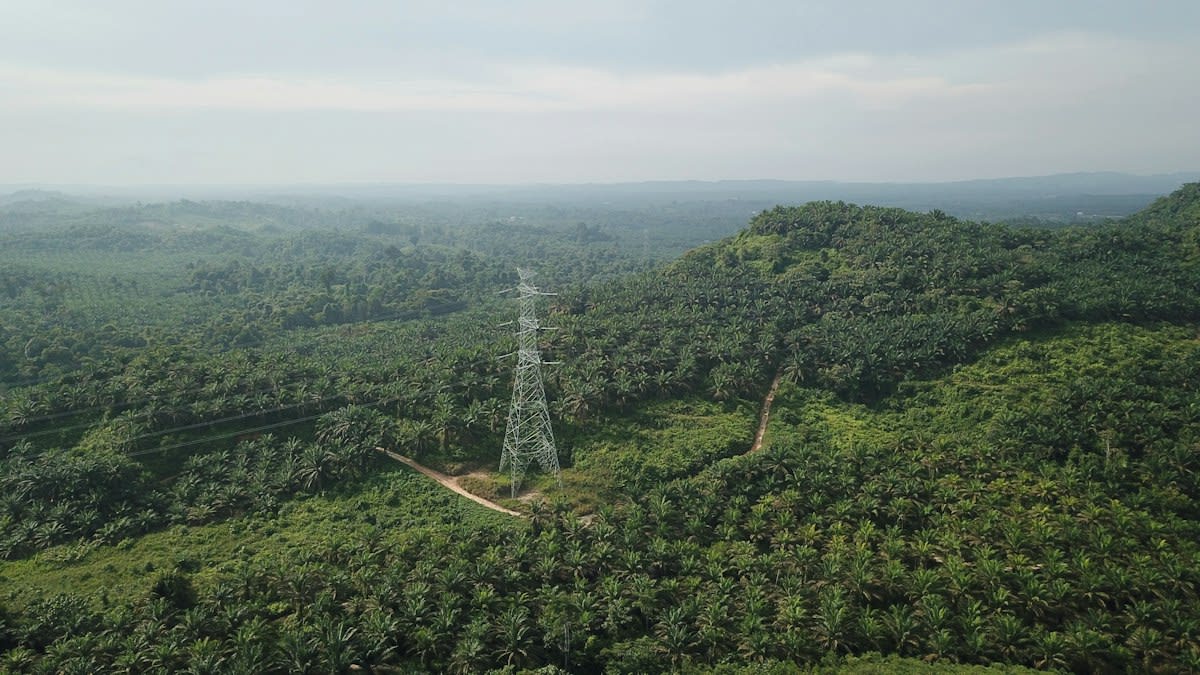
Indonesia worries deeply. The nation produces nearly 60 percent of the global supply, meaning any drop in demand threatens millions of smallholder livelihoods (Source: Indonesian Palm Oil Association, 2023). This is a gamble. Can a government protect a legacy crop when the competition is a software-defined microbe in a Singaporean lab?
| Metric | Traditional Palm Oil | Lab-Grown Fats |
|---|---|---|
| Land Use per Ton | High (Hectares) | Negligible (Square Meters) |
| Water Consumption | Significant | Low to Moderate |
| Production Cycle | Years (Growth) | Days (Fermentation) |
| Carbon Footprint | High (Deforestation) | Variable (Energy Dependent) |
The terrain is shifting. In Malaysia, the government is funding its own biotech initiatives to avoid being left behind by Western venture capital (Source: MIDA, 2024). They are hedging. If you cannot beat the vat, you must own the vat.
Real clashes happen in the boardroom. I have watched flavor chemists argue with regulatory lawyers over the word natural for six hours straight. The chemists insist the molecule is identical, while the lawyers fear the EU will ban the term for anything born in a steel tank. This grind slows the rollout more than the actual technology does.
The Scaling Timeline
Costs are dropping. Lab-grown fats cost ten times more than palm oil today, but the trajectory follows a steep downward curve (Source: BloombergNEF, 2024). Price parity is coming. Once the cost per kilogram hits the palm oil floor, the environmental argument becomes a secondary bonus.
- Reduction in feedstock costs via agricultural waste integration (Source: GFI, 2024).
- Increased bioreactor volume from 10,000L to 250,000L capacities.
- Direct-to-manufacturer partnerships bypassing traditional commodity brokers.
Will consumers care? Most people do not read the ingredient list on a biscuit or a lipstick. They want the texture to be creamy and the price to be low. The lab delivers both without the guilt of an extinct orangutan.
Fact-Check & Accuracy Note
Verify the energy inputs. While lab-grown fats save land, they require immense electricity for temperature control and agitation. The net carbon win depends entirely on whether the grid is powered by coal or renewables (Source: Nature Communications, 2023).
The web is tightening. Global brands are now signing off-take agreements for lipids that have not yet left the pilot stage (Source: Reuters, 2024). This locks in the future. The plantation is no longer the only game in town.
Editorial Note
This report avoids the alarmist narrative of an overnight collapse. Instead, it focuses on the gradual erosion of market share as bio-identical alternatives saturate the high-end cosmetic and specialty food sectors first.