
Rock is not the limit. We obsess over the depletion of high-grade phosphate reserves while ignoring the massive quantities of phosphorus already saturating our soils and waterways (Source: bioRxiv, 2026). This is a waste. Why do we keep digging when the solution is already in the ground?
Efficiency is a myth. Only 15 to 25 percent of applied phosphorus is actually taken up by cereals in the year of application, leaving the rest to bind with soil oxides or precipitate as insoluble salts (Source: Frontiers in Soil Science, 2026). We are leaking nutrients. The cost of this inefficiency is measured in both lost crop yield and dead lakes.
Prerequisites for Phosphorus Recovery
Start with data. You cannot manage a nutrient you cannot track, especially when dealing with the complex chemical bonds formed in different soil terrains (Source: Frontiers in Soil Science, 2026). Precision is the only way. You will need high-resolution soil mapping and a deep understanding of local wastewater chemistry.
- Soil analysis tools to identify legacy phosphorus accumulation.
- Wastewater telemetry systems for real-time phosphorus monitoring.
- Access to biological agents or chemical dosing agents like ferric and caustic solutions.
- Regulatory clearance for the application of recycled phosphorus streams.
The Recovery Playbook: Step-by-Step Implementation
Action requires precision. The transition from traditional mining to recovery involves a multi-stage approach that targets both the soil and the stream (Source: bioRxiv, 2026). Follow these steps. Do not skip the monitoring phase.
- Map Legacy Phosphorus: Identify areas where decades of fertilizer use and manure spreading have created a reservoir of phosphorus in the soil and lake sediments (Source: ProPublica, 2026).
- Deploy Batch Delivery Systems: Implement standardized design solutions for wastewater treatment, such as using ferric and caustic dosing and Mecana TSR plants to meet stringent phosphorus permits (Source: RSK Group, 2026).
- Engineer Biological Recovery: Utilize metabolic engineering of organisms like Saccharomyces cerevisiae to convert phosphorus-containing residual streams into usable agricultural inputs (Source: bioRxiv, 2026).
- Diversify Mineral Sourcing: Integrate new, validated deposits like the Bégin-Lamarche site to ensure a stable supply of high-grade phosphate while recycling systems scale (Source: Yahoo Finance, 2026).
- Audit Uptake Efficiency: Measure the actual percentage of phosphorus absorbed by crops to ensure you are not simply adding to the legacy load (Source: Frontiers in Soil Science, 2026).
The process is slow. Engineering Saccharomyces cerevisiae to convert phosphorus-containing residual streams into usable forms requires precise metabolic tuning and strict legislative support for recycling (Source: bioRxiv, 2026). Science provides the path. But the transition from lab to field is where most projects die.
"The most important technical question about the Lake Champlain phosphorus cleanup is: Are these practices working? And if not, why not? How can it be done better? I think you can’t just explain it away based on time lags and legacy phosphorus forever."— Eric Smeltzer, Former State Limnologist at Vermont Department of Environmental Conservation
I have seen the friction. In the field, there is a constant war between the limnologists who track algae blooms and the agricultural engineers who manage runoff. Many officials rely on the term legacy phosphorus to explain why billion-dollar cleanups in places like Lake Champlain fail to produce results (Source: ProPublica, 2026). It becomes a convenient shield. Practitioners know that relying on time lags as an excuse is a mechanical failure of policy that prevents real innovation in soil management.
Technical Specifications for Wastewater Recovery
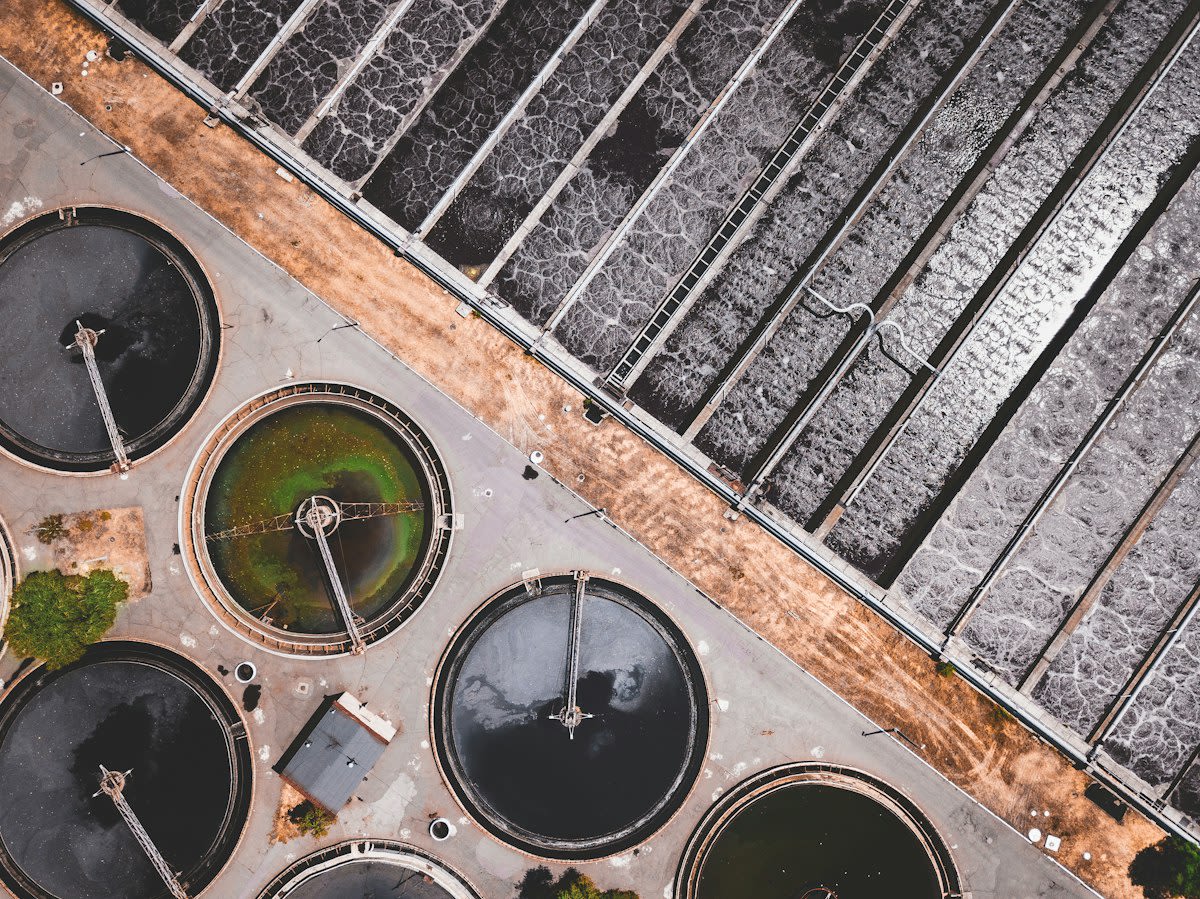
Permits drive design. In the UK, the Severn Trent program demonstrates that batch delivery can help the sector respond to increasingly stringent phosphorus limits (Source: RSK Group, 2026). Precision is mandatory. You must tailor solutions to meet specific site permits.
| Site Example | Phosphorus Permit Limit | Key Technical Intervention |
|---|---|---|
| Edwinstowe STW | 0.49 mg/L | Ferric/caustic dosing, Mecana TSR plant |
| Retford STW | 1.2 mg/L | Biofilter drive replacements, new sludge holding tank |
| Mattersey Thorpe STW | 1.2 mg/L | Full flow-to-treatment control modifications |
Hardware is only half. Integrating comprehensive monitoring, control, and telemetry improvements is what allows these plants to maintain compliance under tight permits (Source: RSK Group, 2026). Data must flow. Without real-time feedback, your dosing will either be insufficient or wasteful.
Common Pitfalls in Phosphorus Management
Over-reliance on mining. Some firms focus solely on new deposits, such as the Bégin-Lamarche deposit, without addressing the inefficiency of the end-use application (Source: Yahoo Finance, 2026). This is a mistake. New mines only delay the inevitable if we continue wasting 75 to 85 percent of the input (Source: Frontiers in Soil Science, 2026).
Ignoring historical loads. Treating new pollution while ignoring the legacy phosphorus accumulated in soils and lake sediments is a recipe for failure (Source: ProPublica, 2026). The past persists. You must address the sediment and the soil, not just the current runoff.
Funding misalignment. Towns often attempt to purchase or upgrade sewage systems to reduce phosphorus levels but fail due to inadequate water pressure or lack of public support (Source: Swanzey Annual Report, 2025). Politics block progress. Technical solutions are useless if the local governance cannot secure the funding for infrastructure.
Fact-Check & Accuracy Note
The data on biological recovery (S. cerevisiae) comes from a bioRxiv preprint, which means it has not yet undergone full peer review. Similarly, the phosphorus efficiency rates for cereals are based on a critical review that synthesizes multiple global studies, indicating a wide range of variance based on soil type and climate (Source: Frontiers in Soil Science, 2026).
Editorial Note
Editorial Note: This guide prioritizes the recovery of existing phosphorus over the discovery of new mines, as the current global efficiency rate for phosphorus uptake in cereals is alarmingly low at 15-25% (Source: Frontiers in Soil Science, 2026).