I hereby declare… a lakh times over: The TMC war of affidavits in the Election Commission
Source Entity
Atri Mitra
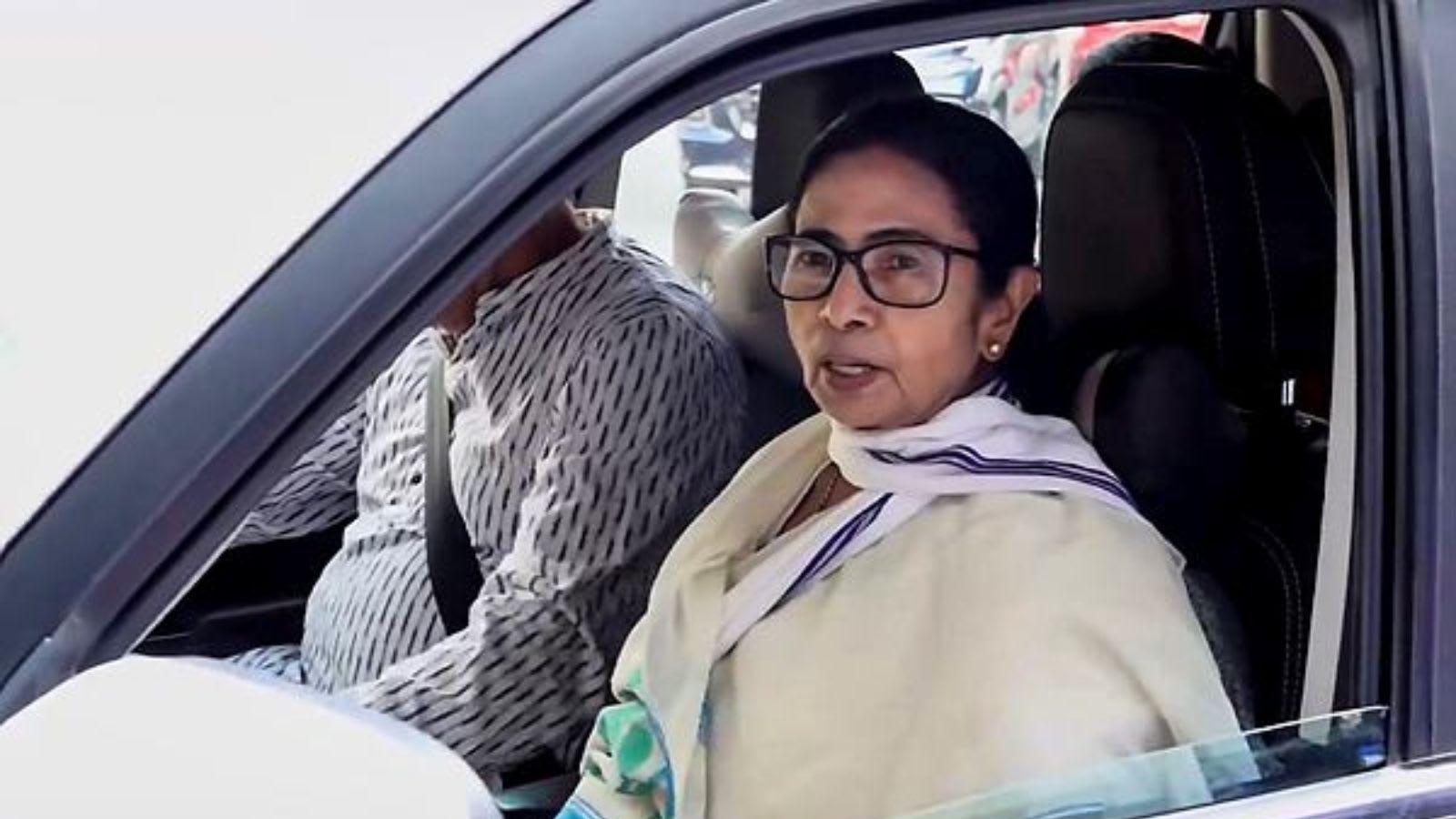
The Trinamool Congress is currently embroiled in a massive internal battle involving the submission of lakhs of affidavits to the Election Commission. This struggle for party control mirrors past factional disputes seen in the AIADMK and Shiv Sena.
The War of Affidavits: TMC’s Battle for Legitimacy
The current internal crisis within the Trinamool Congress (TMC) has manifested as a bureaucratic marathon, with rival factions flooding the Election Commission of India (ECI) with lakhs of affidavits. This intense legal and administrative maneuvering is a classic indicator of a deep-seated struggle for the ownership of the party’s name, symbol, and financial assets. At the core of this dispute is the fundamental question of which faction holds the legitimate mandate of the party's organizational structure.
Logistical Anomalies and Political Accusations
Beyond the sheer volume of paperwork, the process has been marred by bizarre logistical controversies. Reports have surfaced concerning a truck allegedly intercepted while transporting a massive cache of these documents. Observers have raised pointed questions regarding the route taken by this vehicle, which traveled from Kolkata to New Delhi via Haryana—a detour that has invited intense scrutiny. This has sparked heated debates over the financial prudence of choosing road transport over faster, more secure air transit, further fueling suspicions of mismanagement or illicit activity.
Allegations of Institutional Misuse
The situation has escalated into a broader political controversy involving accusations of state machinery abuse. Critics and opposing factions have alleged that police forces are being redirected for party-specific tasks, blurring the lines between administrative duty and partisan loyalty. These claims of the misuse of police power for internal factional warfare highlight the high stakes involved in this struggle, where the prize is not just political dominance, but control over the party's official identity and treasury.
Historical Precedents in Indian Politics
The TMC is far from the first political entity to engage in this exhaustive 'paper chase.' The history of the ECI is replete with such factional battles. In 2017, the AIADMK underwent a similar ordeal when the factions led by E. Palaniswami and O. Panneerselvam submitted a combined total of 10 lakh affidavits to the ECI. This established a precedent for how parties handle internal schisms when seeking official recognition.
The Evolution of Factional Disputes
The 2023 split within the Shiv Sena serves as a more recent and elaborate example of this phenomenon. These recurring events demonstrate that the ECI’s role as an arbiter of party legitimacy has become a critical battleground in Indian democracy. As factions continue to weaponize paperwork to prove their numerical strength, the process itself has become a litmus test for the endurance of party constitutions and organizational bylaws.
Future Implications for Party Governance
Moving forward, this trend of 'affidavit warfare' suggests that political parties will continue to face challenges regarding internal democracy. The reliance on sheer volume of support as evidenced by paper documentation forces the ECI to become an expert in verifying organizational membership. As these conflicts become more frequent, the requirements for proving party ownership may undergo significant regulatory shifts to prevent the logistics of documentation from overshadowing the political reality of party leadership.