'They should go to jail': Trump demands action against Democrats, orders DOJ probe
Source Entity
SUBHADRA SRIVASTAVA
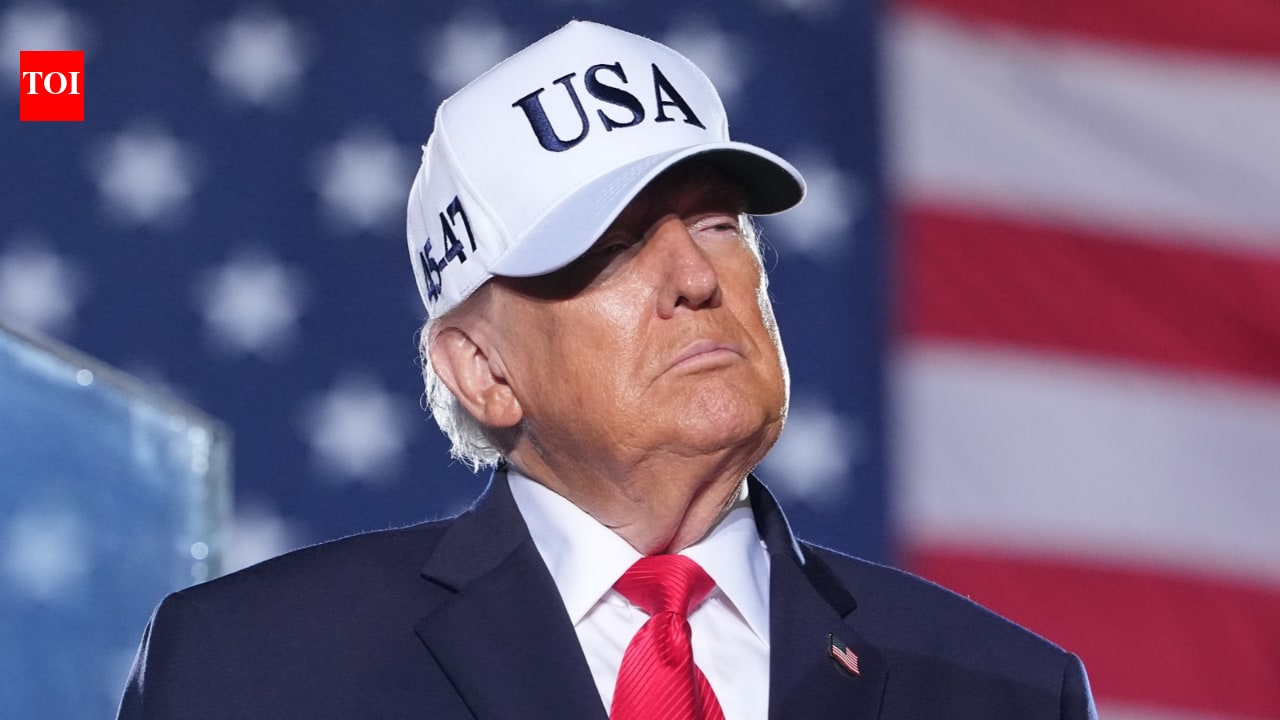
President Trump has ordered the Department of Justice to investigate Democratic leaders for alleged threats of impeachment and punishment. This directive follows midterm election results that granted Democrats control of Congress and oversight powers.
Tensions Escalate: Trump Orders DOJ Probe into Democrats
Following the midterm elections that shifted the balance of power in Washington, President Donald Trump has issued a directive to the United States Department of Justice to investigate Democratic leaders. The President alleges that these lawmakers have engaged in a "criminal act" by purportedly threatening Republican officials, donors, and supporters with impeachment and other forms of retribution. While the President has characterized these actions as "extortion at the highest level," he has not yet provided specific evidence or documentation to support these criminal allegations.
The Context of Legislative Oversight
The timing of this directive is intrinsically linked to the recent midterm election results, which saw Democratic candidates secure control of Congress. With this shift in legislative power scheduled to take effect in January, Democratic leaders have publicly committed to robustly exercising their constitutional duty of oversight. This includes plans to initiate hearings and conduct formal investigations into various actions taken by the Trump administration. The President’s rhetoric suggests he views these procedural oversight efforts as punitive measures rather than standard checks and balances.
Specific Allegations and Targets
In his public communications, President Trump has singled out specific figures, including Representative Slotkin, as part of his broader call for a federal inquiry. The President’s claims suggest that Democrats have sent "threatening letters" to various individuals, including members of the executive branch and the Attorney General. By framing these political maneuvers as potential criminal conduct, the administration is attempting to shift the narrative from legislative oversight to legal defensibility, effectively challenging the legitimacy of the incoming Democratic majority’s investigative agenda.
Institutional Implications and DOJ Independence
The directive to the Department of Justice raises significant questions regarding the separation of powers and the independence of the judicial system. Historically, the Department of Justice operates with a degree of insulation from political directives to ensure that investigations are grounded in evidence rather than partisan interests. By ordering the DOJ to look into political rivals, the President is testing the institutional norms that govern the relationship between the White House and federal law enforcement agencies.
Future Trends and Political Polarization
As the nation moves toward the January transition of power, this development indicates a deepening divide between the executive and legislative branches. We can expect a period of intense legal and political maneuvering, where the definition of "oversight" versus "harassment" will be heavily contested. If the DOJ proceeds with these investigations, it will likely accelerate the current trend of political polarization, potentially leading to a constitutional impasse as Congress attempts to assert its authority while the executive branch seeks to utilize the legal system to deter those efforts.
Conclusion
In summary, the President's demand for a DOJ probe into Democratic lawmakers represents a high-stakes escalation of political hostilities. With both sides preparing for a contentious legislative session, the core issue remains whether the incoming Congress can effectively execute its oversight mandate without being stifled by executive intervention. The coming months will likely see these allegations play out in both the court of public opinion and the halls of Congress, setting a volatile tone for the remainder of the administration.