Eisenkot Gets Mandate To Form Israel Government, Netanyahu Fights For Survival
Source Entity
NDTV News Search Records Found 1000
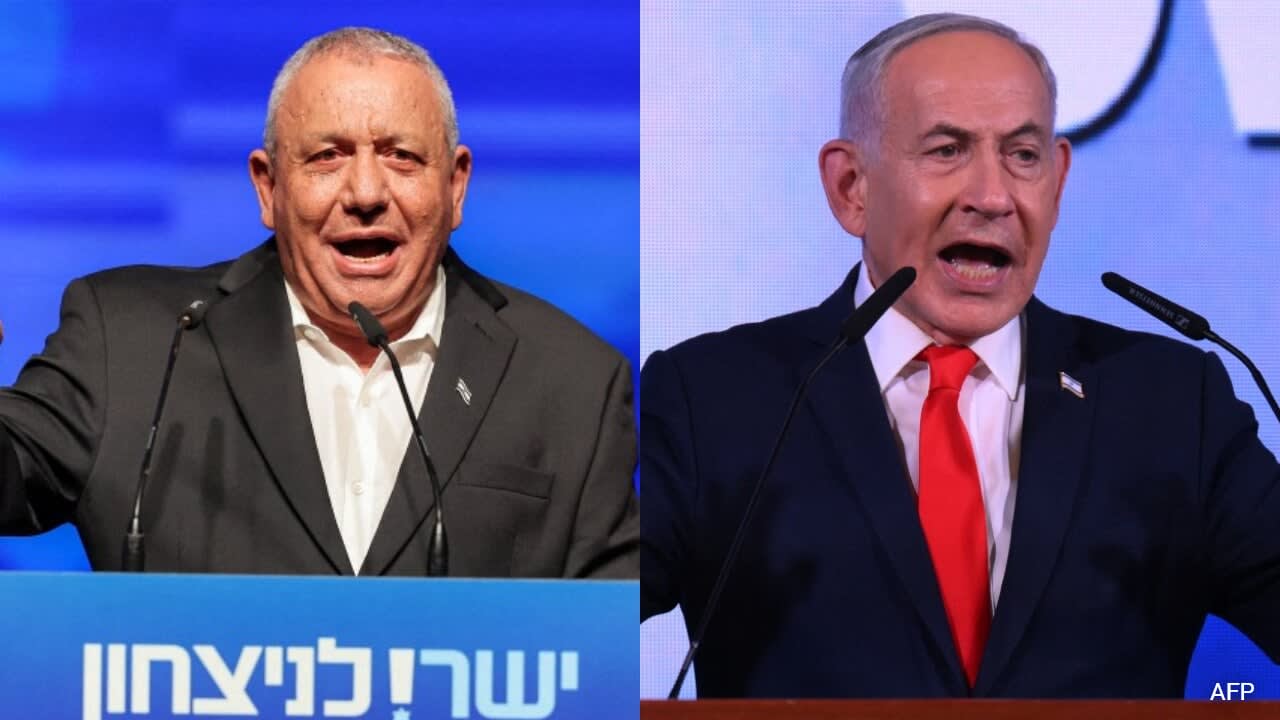
Gadi Eisenkot has been tasked with forming a new Israeli government amid a volatile political landscape. Should he fail to secure a majority within 42 days, Benjamin Netanyahu may receive a renewed opportunity to reclaim power, potentially leading to further elections.
The Fragility of Israeli Governance: Eisenkot’s Mandate and Netanyahu’s Resilience
The Israeli political landscape is currently navigating a period of intense uncertainty as Gadi Eisenkot has been officially tasked with the mandate to form a new government. This development follows a tumultuous period characterized by the fallout from the recent Hamas attack, which briefly saw Eisenkot serve in Benjamin Netanyahu’s wartime cabinet before his return to the opposition. This transition underscores the shifting alliances and the high-stakes maneuvering that define contemporary Israeli governance.
The Arithmetic of Coalition Building
Eisenkot faces a formidable challenge: his current coalition lacks the necessary legislative seats to secure a majority. To succeed, he must navigate a complex web of political interests, potentially seeking support from Arab parties or ultra-Orthodox factions. These groups hold vastly different ideological positions, making the prospect of a cohesive governing coalition highly precarious. The requirement to bridge these divides within a 42-day window places immense pressure on Eisenkot to negotiate effectively under the watchful eye of an electorate weary of political instability.
Netanyahu’s Strategy for a Comeback
Benjamin Netanyahu remains a central figure in this drama, actively fighting for political survival. Netanyahu has characterized a potential coalition between the opposition and Arab parties as a threat that would "dismantle Israel," a narrative designed to consolidate his base and pressure potential defectors. If Eisenkot fails to meet his mandate, the political process dictates that Netanyahu may be granted another opportunity to form a government, highlighting his enduring influence despite his recent tenure as part of the temporary wartime cabinet.
The Role of the Presidency and National Unity
Amidst this deadlock, the Israeli presidency has emerged as a significant voice, signaling a preference for a national unity government. This suggestion reflects a broader institutional desire to stabilize the country during a time of crisis. A unity government would theoretically bridge the gap between opposing ideological camps, though it remains unclear whether the existing political animosities can be set aside to achieve such a consensus in the face of deep-seated partisan disagreements.
Implications of Continued Deadlock
Should both Eisenkot and Netanyahu fail to secure a governing majority, Israel faces the distinct possibility of returning to the polls for yet another election. The prospect of perpetual campaigning serves as a destabilizing force, hindering long-term policy planning and deepening public cynicism. As the 42-day deadline approaches, the nation remains on a knife-edge, awaiting a resolution that will determine the direction of its executive leadership in one of the most challenging periods of its recent history.
Verification Required?