Many Mumbai gardens haven’t been fixed in 10 years. Here’s what went wrong
Source Entity
Pratip Acharya
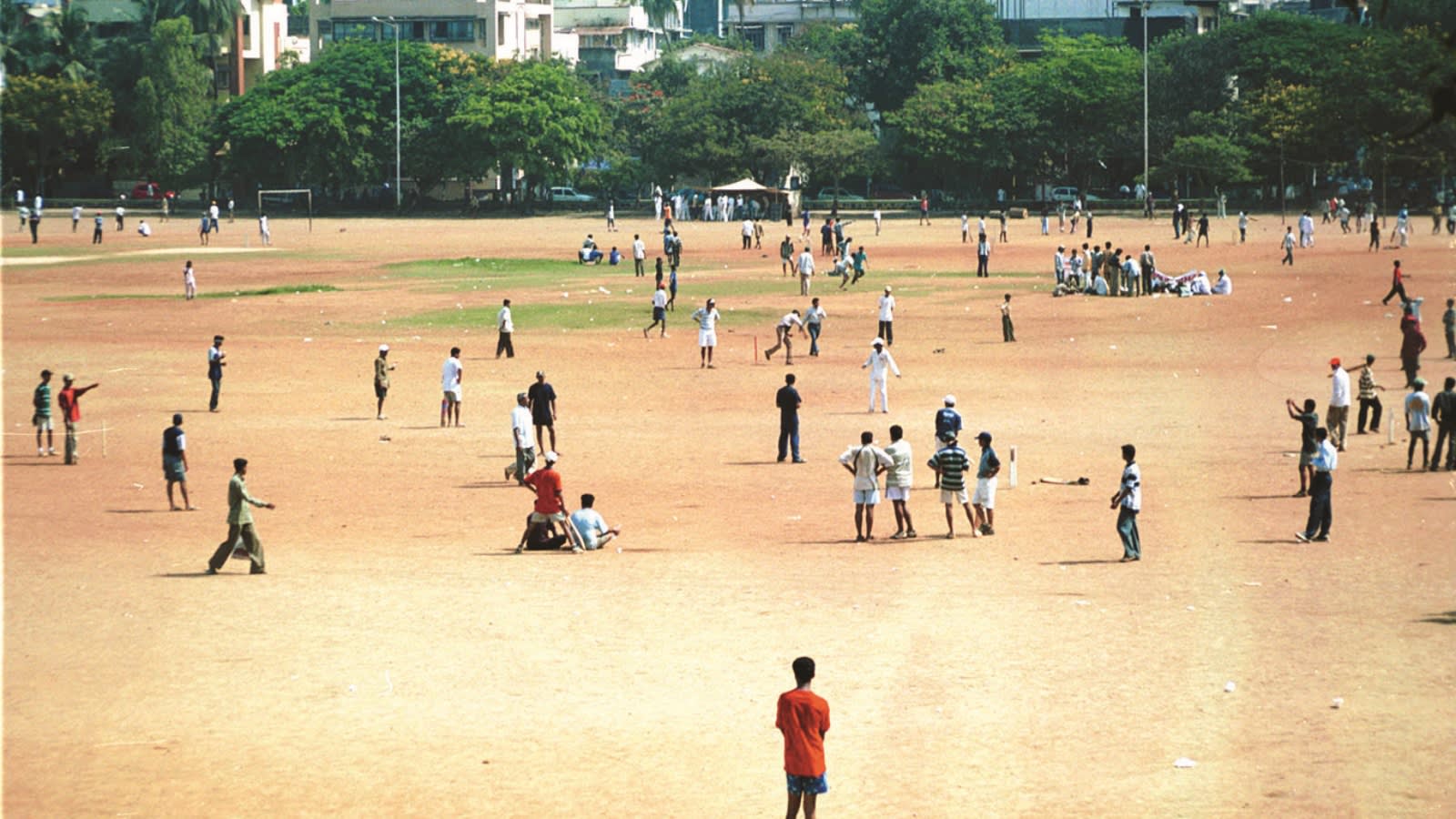
The Brihanmumbai Municipal Corporation (BMC) faces a significant funding shortfall, leaving over 210 public gardens in Mumbai in urgent need of repairs. Officials have requested an additional Rs 40 crore to address critical maintenance, though this covers only a fraction of the total Rs 250 crore required.
The Crisis of Mumbai’s Neglected Green Spaces
Mumbai, a city defined by its dense urban landscape and limited per-capita open space, is currently grappling with a severe maintenance crisis. Reports indicate that over 210 public gardens and open areas have fallen into a state of disrepair over the last decade. This degradation of civic infrastructure poses a direct threat to the quality of life for millions of residents who rely on these green lungs for recreation and environmental balance.
The Financial Disconnect
The root of this neglect lies in a profound funding gap within the Brihanmumbai Municipal Corporation (BMC). While the trees and gardens department was allocated Rs 68 crore for the current financial year, independent assessments suggest that priority maintenance alone requires a staggering Rs 250 crore. This imbalance highlights a systemic failure to prioritize the upkeep of existing public assets against the backdrop of an expanding metropolis.
Proposed Solutions and Limitations
In an attempt to mitigate the most urgent issues, the civic administration has formally requested an additional Rs 40 crore from the municipal commissioner. While this infusion of capital is a necessary step, it represents only a small fraction—roughly one-sixth—of the total estimated requirement. The administration plans to use these funds to shortlist and repair the most critical spaces, yet this reactive approach leaves the majority of the 210 neglected sites in a precarious position.
Broader Urban Implications
The failure to maintain these gardens is not merely an aesthetic issue; it is a public health and urban planning concern. Open spaces act as vital heat sinks in Mumbai’s concrete-heavy environment, helping to regulate local temperatures and improve air quality. When these spaces are left to deteriorate, the city loses its resilience against climate-related stressors, effectively reducing the functional value of public land.
Future Outlook and Policy Challenges
Looking ahead, the BMC faces a difficult path. Relying on piecemeal funding requests is unlikely to solve a decade-long backlog of maintenance work. Without a long-term budgetary strategy that aligns the gardens department's allocations with the actual costs of urban maintenance, Mumbai risks losing these essential public spaces permanently. The current situation necessitates a re-evaluation of how the city manages its infrastructure budget to ensure that the maintenance of existing assets is treated with the same urgency as new development projects.