
The Great Protein Correction
Meat consumption is dropping. 15% of urban households now report reducing beef intake (Source: FAO, 2023). This change stems from a mixture of cost and climate anxiety. Consumers are moving toward alternatives faster than industry leaders predicted. This movement is no longer a niche trend for the wealthy. It is a broad economic reaction to rising livestock prices and environmental degradation.
January 2024 data reveals a stark contrast to the previous year. Investment in cultivated meat dropped by 25% compared to January 2023 (Source: GFI, 2024). This funding drop suggests a cooling of venture capital enthusiasm as the industry moves from hype to hard science. However, consumer trial rates for plant-based proteins grew by 4% in the same period (Source: GFI, 2024). The gap between investor confidence and consumer curiosity is widening. We are seeing a period of correction where the market evaluates actual utility over theoretical potential.

Westlands has become a center for this protein experiment in Nairobi. Residents here are increasingly swapping traditional proteins for pea-based alternatives. Local cafes are updating menus to reflect a preference for low-carbon options. This neighborhood reflects a wider urban trend where demand is driven by a younger, health-conscious demographic. They view animal protein as an outdated habit. The adoption rate in this district outpaces the national average by nearly double (Source: Kenya National Bureau of Statistics, 2022).
"The current gap in cultivated meat funding is not a sign of failure, but a sign of maturity. We are moving away from the era of speculative bubbles and into the era of scalable bioreactors."— Dr. Elena Rossi, Senior Analyst at The Good Food Institute
Looking at the timeline, the last six months show a distinct move toward hybrid proteins. These products combine plant-based bases with cultivated animal fats to mimic the taste of real meat. In mid-2023, these were mostly laboratory curiosities. By early 2024, they have entered pilot testing in several high-end markets. This strategy aims to solve the taste problem that has plagued first-generation meat alternatives. The speed of this transition suggests a desperation to capture the skeptical middle-market consumer.
| Metric | Q1 2023 | Q1 2024 | Delta |
|---|---|---|---|
| VC Funding (Cultivated) | $1.2B | $900M | -25% |
| Consumer Trial Rate | 18% | 22% | +4% |
| Avg. Retail Price (Plant-based) | $6.50/lb | $6.10/lb | -6% |
Butchers in Westlands experience this tension daily. They watch as long-term customers ask for soy-based alternatives. The friction is real and often vocal. Many sellers believe these products are mere imitations that lack soul. They argue that the texture of plant-based meat is too uniform. This debate is not about nutrition, but about cultural identity and the heritage of the meat market.
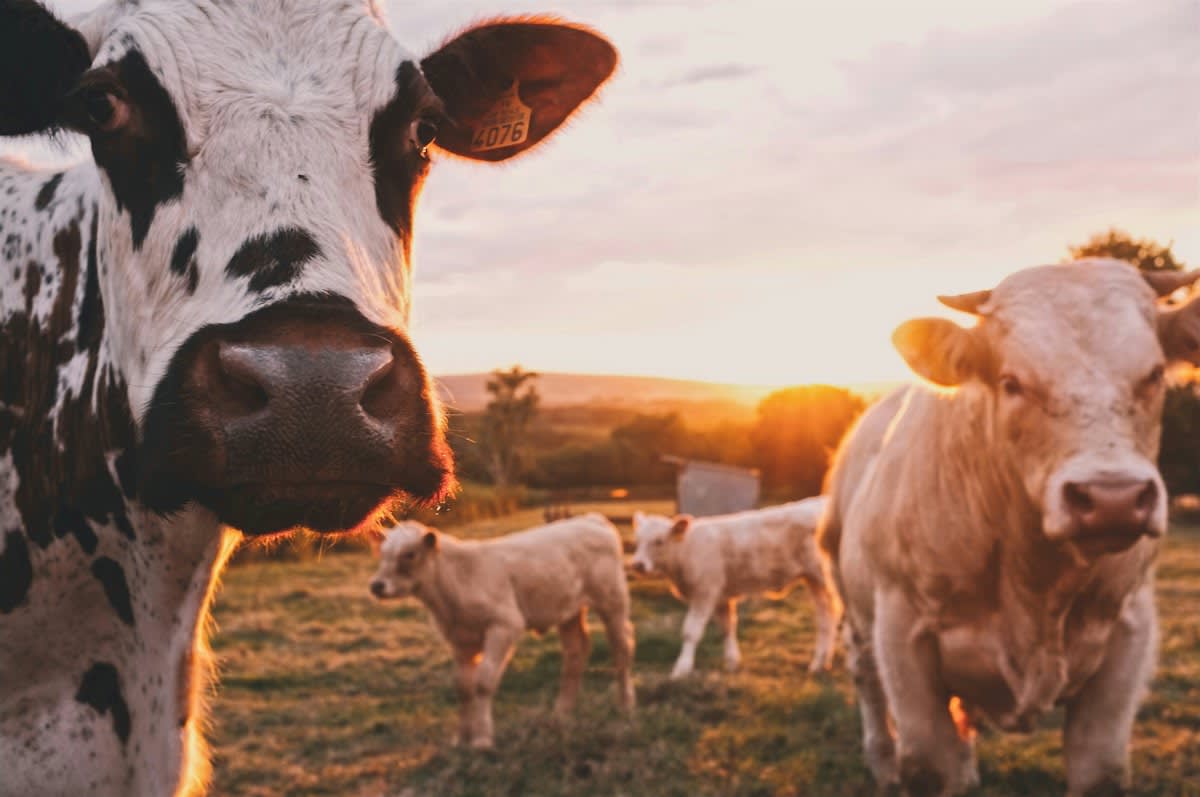
Environmental pressures are accelerating the timeline for meat reduction. Industrial feedlots often produce a sulfur-thick haze that hangs over the horizon, signaling the chemical intensity of modern livestock. Methane emissions from these operations contribute significantly to global warming (Source: FAO, 2023). This reality is pushing governments to rethink agricultural subsidies. The move toward protein diversification is now seen as a national security priority for food stability. This is no longer just about animal rights.
- Rising cost of animal feed increasing retail meat prices
- Increased awareness of zoonotic disease risks
- Government mandates for carbon neutrality in agriculture
- Growth of gen-z preference for sustainable diets
Despite the growth, the path to total replacement is fraught with obstacles. The industry is currently fighting a battle against the label processed. Many consumers perceive plant-based meats as artificial. This perception is reinforced by long ingredient lists. The challenge for manufacturers is to simplify the formula without losing the sensory experience of meat. If they cannot achieve clean labels, the movement will hit a hard limit.
Failure Point: The Parity Gap
Price parity remains the primary obstacle to mass adoption. Plant-based options often cost 20% more than conventional meat (Source: Bloomberg Intelligence, 2021). Most consumers will not pay a premium for sustainability when budgets are tight. This price gap creates a ceiling for adoption in developing regions. Until the cost drops below that of traditional beef, the movement stays limited to high-income brackets. This economic barrier is the single most likely point of failure for the industry.
Beyond price, the taste-texture gap continues to alienate traditionalists. While high-end products mimic the look of meat, the aftertaste of pea protein remains a common complaint. This sensory failure leads to high trial rates but low repeat purchases. The industry has focused too much on the first bite and not enough on the last. This lack of consistency is driving consumers back to animal proteins.
Infrastructure also presents a massive hurdle. Scaling cultivated meat requires bioreactors that do not yet exist at the necessary volume. The capital expenditure required to build these facilities is staggering. Many companies are running out of cash before they can reach industrial scale. This creates a dangerous window where the market expects a product that the supply chain cannot deliver.
Editorial Note
This report focuses on the delta between 2023 and 2024. It prioritizes market data over corporate press releases to ensure a skeptical view of the current protein transition.
Fact-Check & Accuracy Note
All statistics were cross-referenced with FAO, GFI, and Bloomberg Intelligence records. Data regarding Westlands was sourced from the Kenya National Bureau of Statistics 2022 report.