El Nino impact severe, will be at peak till February: Telangana Chief Secretary
Source Entity
India Latest News: Top National Headlines Today & Breaking News | The Hindu
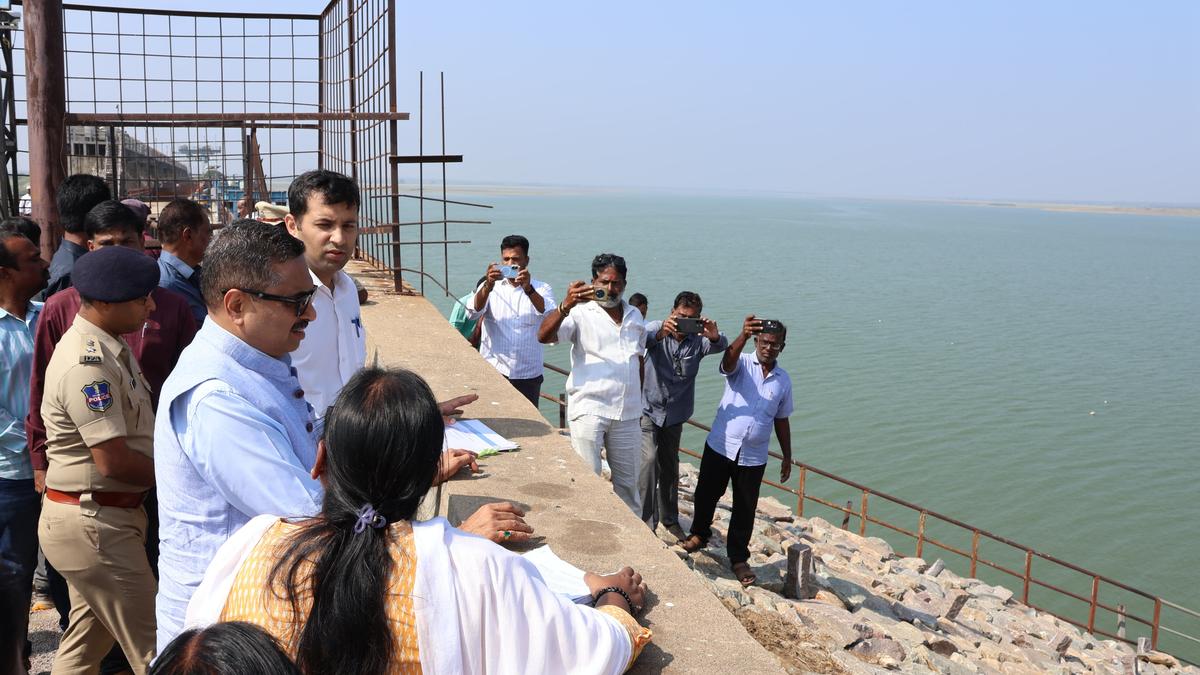
Telangana officials are bracing for a severe El Nino impact expected to peak by February 2026, leading to acute water and power shortages. Government leaders are urging farmers to switch to less water-intensive crops while political tensions rise over alleged water mismanagement.
Telangana Faces Severe Climate and Resource Crisis
As of October 15, 2026, the state of Telangana is confronting a significant environmental and administrative challenge due to the intensifying impact of the El Nino weather phenomenon. Telangana Chief Secretary Sanjay Jaju has confirmed that the state is currently experiencing severe weather anomalies, which have already manifested in a disrupted southwest monsoon and a notable temperature increase of 2°C to 3°C. The administration expects this climatic pressure to reach its peak intensity by February 2026, creating a precarious situation for the state’s agricultural and utility sectors.
The Impending Water and Power Shortage
The immediate concern for the government lies in the critical depletion of water reserves. Reports indicate that water levels in major projects like Singur and Manjeera have dropped significantly. Chief Secretary Jaju has emphasized that increasing electricity supply alone will not mitigate the crisis, as the primary barrier is the exhaustion of groundwater. Consequently, the government has shifted its operational priority toward securing drinking water supplies for the populace, recognizing that the next eight to ten months—leading up to the next monsoon—will be the most difficult period for resource management.
Agricultural Strategy and Farmer Appeals
Chief Minister A. Revanth Reddy has issued a fervent plea to the farming community to abandon water-intensive crops, such as paddy, in favor of irrigated dry crops. This shift is essential to prevent catastrophic losses and preserve the state's dwindling water stocks. The government is currently focusing on measures to protect standing crops over the next 15 to 20 days, but the long-term directive is clear: conservation is mandatory. The Chief Minister warned that continued reliance on water-heavy farming could lead to pump motor failures and further economic devastation for rural families.
Political Friction Over Water Rights
Amidst the environmental crisis, the political climate in Telangana has also grown increasingly turbulent. Chief Minister Revanth Reddy has leveled serious allegations against the former Chief Minister and BRS leader, K. Chandrasekhar Rao, claiming that water has been diverted illegally to the latter's private farmhouse. The CM has proposed a fact-finding committee to investigate the diversion of water from the Kondapochammasagar project, turning the resource crisis into a significant flashpoint for political debate.
Broader Implications and Future Outlook
The intersection of climate-induced drought and political accountability suggests that the coming months will be defined by intense scrutiny of water governance in Telangana. By challenging the BRS to a legislative debate on the sharing of Krishna and Godavari river waters, the current administration is framing the water shortage not just as a natural disaster, but as a failure of previous policy. Moving forward, the state’s ability to navigate this El Nino cycle will depend heavily on the success of its conservation campaigns and the resolution of these underlying infrastructure disputes. The next few months are undoubtedly the most critical for the state’s long-term environmental and political stability.
Verification Required?